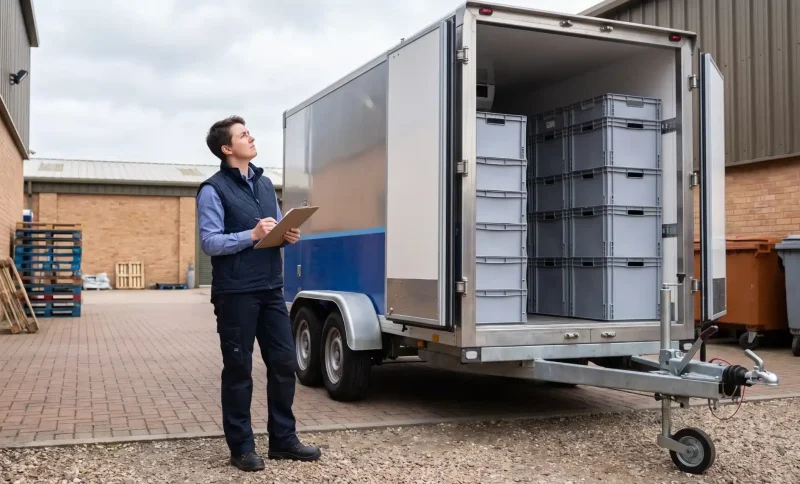
Hiring refrigeration equipment sounds straightforward until it isn’t. On paper, you need cold storage for a set period of time. In practice, the decision affects food safety, stock quality, energy use, staffing, logistics, and, in some sectors, regulatory compliance. A poor hire can create more operational headaches than it solves.
That is why the smartest businesses do a little more than compare day rates. Whether you run a catering company, supermarket, hospitality venue, pharmaceutical operation, or event business, it pays to think through how the equipment will actually be used in the real world.
Start With the Job the Equipment Needs to Do
Before looking at unit types or prices, get clear on the operational requirement. “Refrigeration” can mean very different things depending on what you are storing, where you are storing it, and how often staff need access.
Temperature Range Matters More Than Many Realise
Not all chilled products are alike. Fresh produce, dairy, meat, prepared meals, flowers, and certain medical products each have different storage needs. A unit that keeps drinks cold may not be suitable for temperature-sensitive stock that needs tighter control.
Ask early:
- What exact temperature range is required?
- Does the equipment need to chill, freeze, or do both?
- How much fluctuation is acceptable during loading and unloading?
- Will stock be stored briefly, or held for several days?
These questions shape the kind of unit you need far more than square footage alone.
Capacity Should Reflect Access, Not Just Volume
A common mistake is hiring based on total storage volume without considering workflow. You may technically fit everything inside a unit, but if staff cannot organise stock properly or retrieve it quickly, the operation slows down and temperature stability suffers.
Think about shelving, stacking limits, door opening frequency, and whether different product categories need to be separated. In busy environments, practical access can be as important as raw capacity.
Consider the Site Conditions
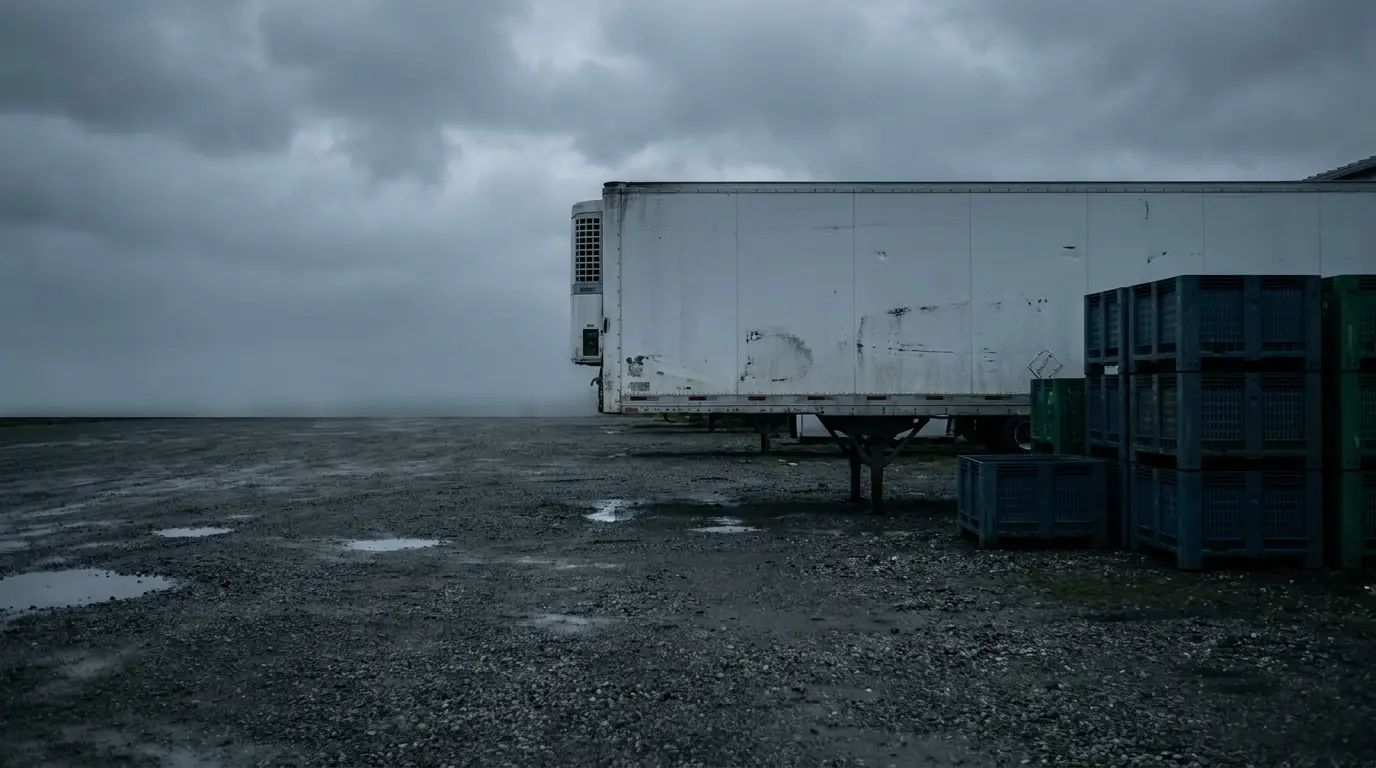
Refrigeration performance depends heavily on context. A unit positioned in a shaded service yard behaves differently from one placed at a summer festival, outside a wedding venue, or beside a busy kitchen in peak heat.
Location Affects Performance and Convenience
Outdoor temperature, power supply, surface stability, and distance from the point of use all matter. If staff have to make repeated trips across a car park or uneven ground, efficiency drops. If the unit sits in direct sun during a heatwave, it may work harder and consume more energy.
For temporary operations, mobile cold storage can be especially useful. Businesses managing overflow stock, catering events, or renovating on-site facilities often find that a portable fridge trailer rental service gives them flexibility without the disruption of installing permanent equipment. The key is matching that flexibility to the realities of your site rather than assuming any refrigerated unit will do the job.
Duration Changes the Economics
Short-term emergency cover, seasonal overflow, and long-term temporary storage each call for a different mindset. A weekend event may prioritise mobility and speed of setup. A three-month kitchen refurbishment may require closer attention to energy efficiency, servicing terms, and day-to-day usability.
The longer the hire, the more important those “small” details become.
Reliability and Compliance Cannot Be an Afterthought
If the refrigeration fails, the cost is rarely limited to the equipment itself. You may lose stock, interrupt service, or expose the business to compliance issues. That is why reliability deserves the same attention as price.
Ask About Temperature Monitoring and Maintenance
For food businesses in particular, record-keeping and temperature consistency matter. Units with clear temperature displays, dependable control systems, and straightforward monitoring can make life much easier for staff. If your business is subject to inspections or audit trails, this becomes even more relevant.
It is also worth understanding what happens if something goes wrong. How quickly can the equipment be serviced? Is support available outside standard office hours? What is the contingency if the unit develops a fault during a critical trading period?
Those questions may feel pessimistic, but they are practical. Contingency planning is part of hiring well.
Compliance Requirements Differ by Sector
Foodservice, hospitality, healthcare, and pharmaceuticals all operate under different standards. A business storing sandwiches for a weekend event does not face the same demands as one storing vaccines or laboratory materials. Make sure the specification of the hired equipment aligns with your industry’s handling and storage requirements, not just general cooling needs.
Look Beyond the Headline Hire Rate
A cheap quote can become expensive if it leads to wasted labour, spoiled stock, or poor operational fit. The real cost of hired refrigeration sits across several factors.
Total Value Includes Setup and Usability
Transport, delivery access, collection timing, electrical requirements, and cleaning responsibilities all influence the final cost and the ease of the hire. So does interior layout. If staff spend extra time managing awkward stock movement or dealing with condensation, poor lighting, or inconsistent cooling, that inefficiency has a price.
In other words, value is not just about what you pay the supplier. It is also about what the hire enables your team to do smoothly.
Energy Use Is Easy to Overlook
For longer hires, running costs deserve attention. Older or less suitable units may draw more power, especially in warm conditions or high-use environments. While energy costs might not dominate a two-day hire, they can become meaningful over several weeks.
Think Through Logistics Before Delivery Day
Even well-chosen equipment can cause problems if the logistics are rushed.
Access, Power, and Placement Should Be Confirmed Early
Measure entry points. Check vehicle access. Confirm where the unit will sit and whether the ground is suitable. Make sure there is adequate ventilation and a power source that matches the unit’s requirements. If the refrigeration is trailer-based, think about towing access, levelling, and whether staff need training on basic operation.
These steps are simple, but skipping them is where many avoidable issues begin.
Train Staff on Practical Use
A refrigeration hire works best when staff understand loading patterns, door discipline, temperature checks, and what to do if the unit alarms or loses power. This does not need to be complicated, but a five-minute briefing can prevent hours of trouble later.
The Best Hire Decision Is an Operational One
When businesses hire refrigeration equipment successfully, it is rarely because they found the lowest price. It is because they defined the need clearly, matched the equipment to the site, and thought through reliability, compliance, and workflow in advance.
Cold storage is one of those operational areas where details matter. The right choice protects stock, supports staff, and helps the business keep running smoothly under pressure. The wrong choice can do the opposite very quickly.
So before signing off on a hire, step back and ask a better question than “How much does it cost?” Ask instead: “Will this setup work for the way we actually operate?” That is usually where the smartest decision starts.