A good sauce can change an otherwise simple plate of food. It can make roasted vegetables feel more complete, turn leftover chicken into a proper dinner, or give a piece of fish enough richness that it barely needs anything else.
French cooking made sauce-making especially systematic. The classic “mother sauces” are useful because they teach a handful of techniques that keep showing up elsewhere in the kitchen: making a roux, thickening stock, building an emulsion, controlling heat, and balancing richness with acidity.
You do not need to master all five at once. Start with the one that already fits the food you cook most often, get comfortable with the method, and move on from there.
1. Béchamel
Béchamel is usually one of the easiest places to begin because the ingredient list is short: butter, flour, and milk.
The butter and flour are cooked together first to make a roux, then warm milk is whisked in gradually until the sauce becomes smooth and thick enough to coat a spoon. Salt, white pepper, and a small amount of nutmeg are common seasonings, although you can adjust them depending on the dish.
Once you understand béchamel, quite a few familiar foods start making more sense. Add cheese and it becomes the starting point for sauces used in macaroni and cheese, gratins, and other baked dishes. Leave it simple and it can add creaminess to vegetables, lasagna, or casseroles without relying on heavy cream.
The main thing to watch is the roux. Give the flour enough time to cook so the finished sauce does not taste raw, then add the milk gradually rather than pouring everything in at once.
2. Velouté
Velouté begins almost exactly the same way, but stock replaces the milk. Chicken, fish, or veal stock can all be used depending on what you plan to serve with it.
That small change gives the sauce a completely different character. Béchamel is creamy and mild, while velouté takes more of its flavor from the stock underneath it.
Whisk the warm stock into the roux a little at a time, then let the sauce simmer gently until it thickens. From there, you can keep it simple or build on it with herbs, cream, mushrooms, wine, or other ingredients.
For home cooks learning the fundamentals, this is where understanding the technique matters more than memorizing a rigid recipe. Jackson Laurie’s cooking guides similarly focus on building useful kitchen skills that can be carried from one dish to another, and velouté is a good example of how one basic method can lead to several different sauces.
A good-quality store-bought stock is perfectly workable for everyday cooking, so there is no need to make stock from scratch every time you want to practice.
3. Espagnole
Espagnole is the more time-consuming member of the group. It is a brown sauce built around a darker roux, brown stock, tomato, and aromatic vegetables, with the ingredients simmered together until the flavor becomes deeper and more concentrated.
This is not usually the sauce someone makes ten minutes before dinner. It takes more patience than béchamel or velouté, which is part of why it is closely associated with more traditional restaurant cooking.
Its real value is as a foundation. Espagnole can be reduced and developed further into sauces such as demi-glace, or used to bring more body to braised meats and other rich dishes.
If you are making it at home, there is no need to chase restaurant-level complexity the first time. Focus on browning the ingredients properly, keeping the sauce at a gentle simmer, and giving it enough time to develop.
4. Hollandaise
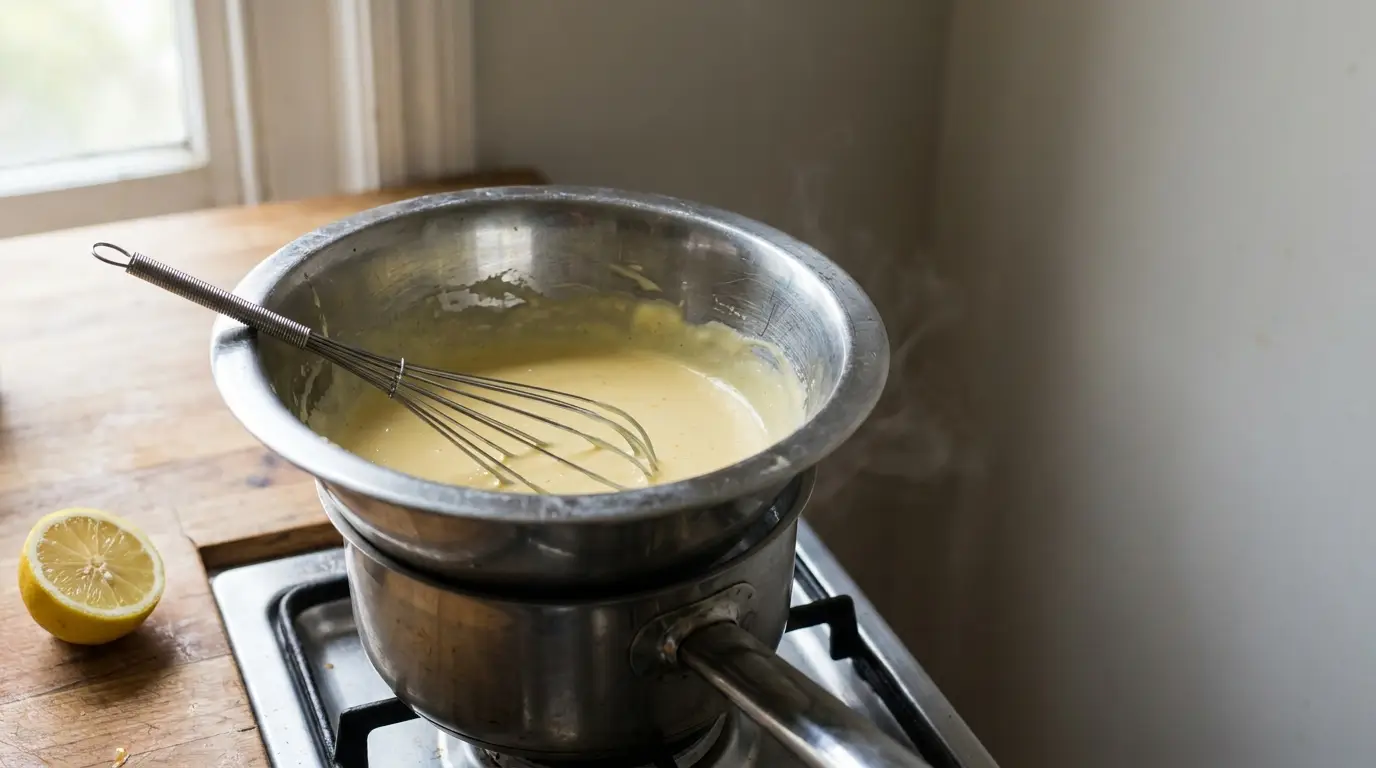
Hollandaise teaches a completely different skill because there is no roux involved. Instead, egg yolks and butter are brought together into an emulsion, usually with lemon juice providing the acidity.
It has a reputation for being difficult because too much heat can scramble the eggs or cause the sauce to split. In practice, the trick is mostly patience. Keep the heat gentle and add the butter gradually while whisking.
Once the texture turns smooth and glossy, season it with salt and lemon juice. A little cayenne or another mild pepper can be added if you want some heat.
Hollandaise is best known for Eggs Benedict, but it also works beautifully with asparagus, salmon, potatoes, and other vegetables. If it starts becoming too thick, a small amount of warm water can help loosen it without overwhelming the sauce.
5. Sauce Tomate
The classical French version of sauce tomate is more developed than simply opening a can of tomatoes and simmering it down, but the underlying idea is familiar to most home cooks.
Tomatoes are cooked with aromatic vegetables and seasonings until the sauce develops depth and a balanced texture. Traditional preparations can be considerably more involved, while modern home versions are usually much simpler.
That is part of what makes tomato sauce such an approachable member of the group. Most people already know what they want a tomato sauce to taste like, so learning to control acidity, sweetness, thickness, and seasoning becomes the real lesson.
Start by softening onion and other aromatics, add the tomatoes, and let everything simmer until the flavors come together. Blend it if you want a smooth finish or leave it more rustic if the dish suits it.
What Makes the Five Sauces Different?
|
Sauce |
Main Base |
Common Uses |
|
Béchamel |
Milk and roux |
Lasagna, gratins, cheese sauces |
|
Velouté |
Light stock and roux |
Poultry, fish, soups, pan sauces |
|
Espagnole |
Brown stock and brown roux |
Braises, meat sauces, demi-glace |
|
Hollandaise |
Egg yolks and butter |
Eggs, fish, asparagus, vegetables |
|
Sauce Tomate |
Tomatoes and aromatics |
Pasta, meats, vegetables |
One useful shortcut is that the first few sauces teach overlapping skills. Once you become comfortable making a roux and adding liquid without creating lumps, both béchamel and velouté become much easier. Espagnole builds on similar principles but takes the flavor further through browning and longer cooking.
Hollandaise forces you to learn something different: temperature control and emulsification. Tomato sauce is less about one exact technique and more about learning how time, seasoning, and acidity affect the final result.
What Should You Have Ready Before You Start?
Sauces are easier when everything is within reach before the pan gets hot. Measure the butter and flour, warm the milk or stock when the recipe calls for it, and have seasonings ready so you are not searching through cupboards while something thickens on the stove.
A whisk is especially useful for roux-based sauces and hollandaise. Gentle heat also matters more than rushing. Most sauce problems come from trying to make the process move faster than it wants to.
And taste as you go. Texture matters, but a perfectly smooth sauce still needs enough salt, acidity, and seasoning to make the food underneath it better.
Start With the Sauce You Will Actually Use
There is no reason to make all five in one weekend just to say you have learned them. If you cook pasta bakes often, start with béchamel. If you roast chicken, try velouté. If brunch is your thing, hollandaise gives you a technique you will use again and again.
The point of learning the mother sauces is not to recreate a French culinary-school exam at home. It is to understand a few dependable methods well enough that recipes stop feeling like isolated instructions.
Once the techniques become familiar, sauces become less intimidating and much easier to adapt to whatever is already in your kitchen.
FAQs
What Are the Five Classic French Mother Sauces?
The five commonly taught mother sauces are béchamel, velouté, espagnole, hollandaise, and sauce tomate.
Which French Sauce Is Easiest for Beginners?
Béchamel is a good starting point because it uses a simple roux and milk, and the method is easy to repeat once you understand how to add the liquid gradually.
What Is the Difference Between Béchamel and Velouté?
Both begin with a roux, but béchamel uses milk while velouté uses a light stock such as chicken, fish, or veal stock.
Why Does Hollandaise Break?
Hollandaise usually breaks when the mixture gets too hot or the butter is added too quickly. Gentle heat and gradual whisking help keep the emulsion together.
Do You Need Homemade Stock for Velouté?
No. Homemade stock can give you more control over the flavor, but a good store-bought stock works well for everyday cooking.