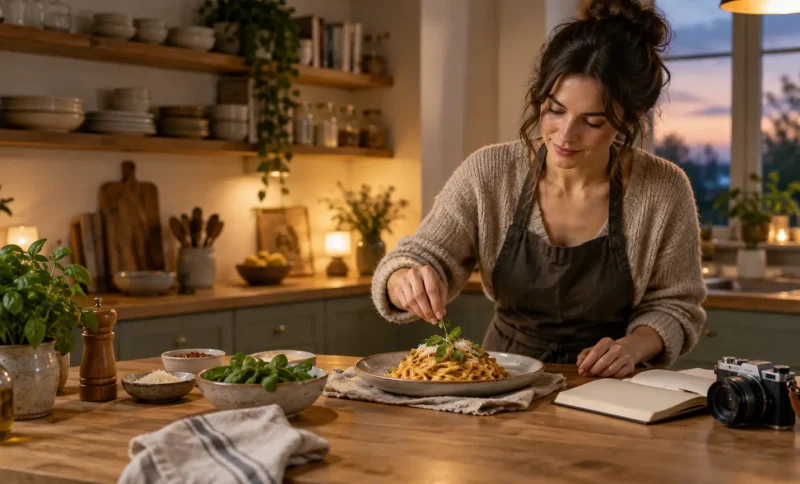
A food blog may begin with a recipe scribbled on a card, a camera balanced on a stack of cookbooks, and the hope that someone else will enjoy the dish as much as you do. Over time, though, a growing site can become a small publishing business. Alongside testing recipes and writing about what’s on the table, there are choices about partnerships, reader trust, and how to present the work clearly.
That business side doesn’t have to crowd out the pleasure of cooking. A few thoughtful habits can help a food website grow while keeping its voice personal and its recommendations useful.
Choose Collaborations That Belong at Your Table
Guest contributions can bring fresh perspectives to a food site, but a post should feel like it belongs there. A nutrition professional might explain how to adapt a family recipe, while a travel writer could describe a regional market or a memorable meal. The subject should serve readers first, rather than simply provide a place for someone else’s promotion.
Before agreeing to publish a contribution, consider whether the writer understands your audience, whether the topic fits your usual coverage, and whether the finished piece will offer something readers can use. Ask for an outline or a short pitch before requesting a complete article. It’s also sensible to set expectations about original work, edits, images, links, and any disclosures that may be required.
For publishers researching potential outlets, business guest posting websites and blogs can help identify sites that accept submissions. A list is only a starting point: check each publication’s subject matter, submission rules, and audience before deciding whether it is a good match. A relevant placement is more valuable than a large audience that has little interest in the topic.
Protect the Reader’s Trust
Food writing is personal. Readers may follow a recipe for a birthday dinner or choose an ingredient because a trusted blogger recommended it. That trust is worth more than a quick increase in traffic, so be clear about the difference between editorial choices and paid work. Follow applicable disclosure rules, and explain honestly when a product was supplied or a post was created in partnership with a brand.
Keep your own standards for contributions, too. A guest post should be fact-checked, tested where appropriate, and edited to match the site’s level of detail. If a recipe includes substitutions, timings, or safety advice, make sure those details are specific and reliable. A polished article still needs to be useful in a real kitchen.
Make the Visuals Work Hard
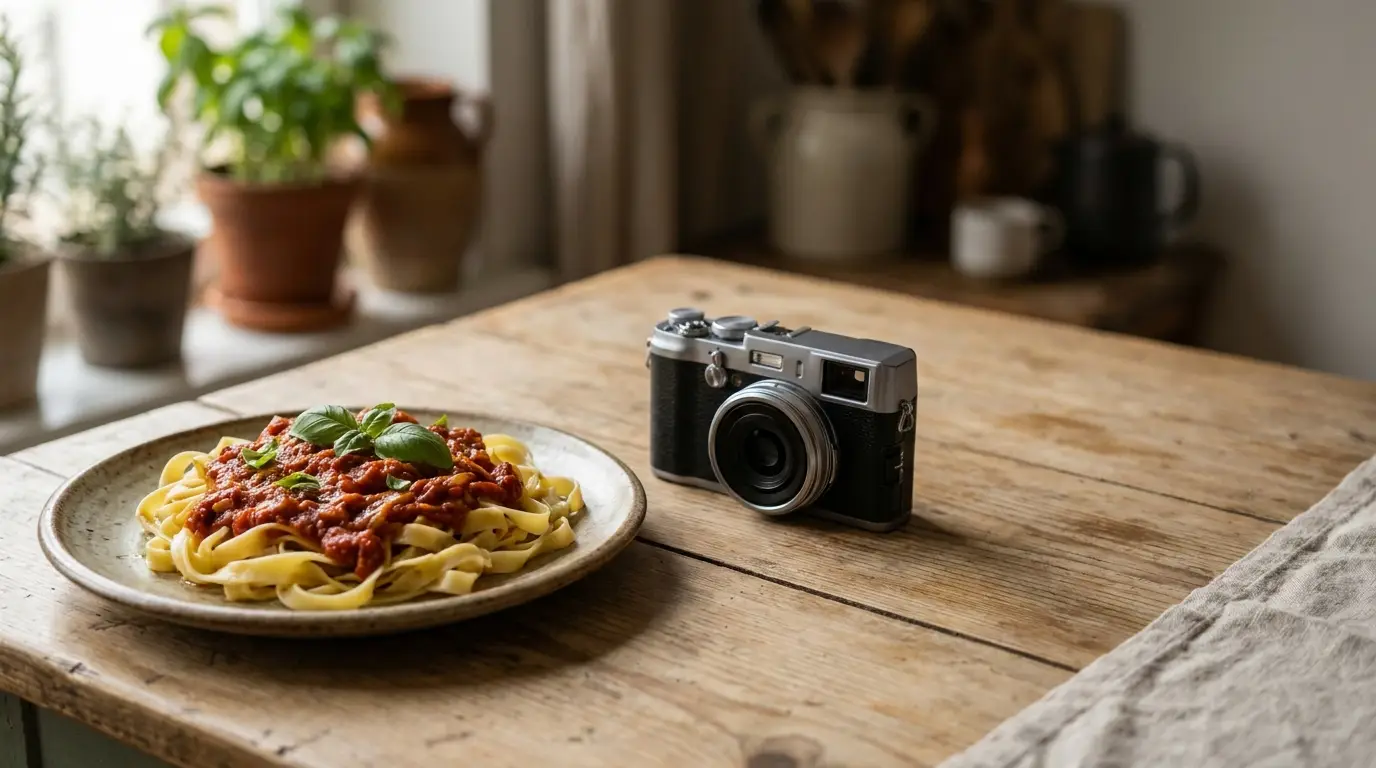
Readers often meet a recipe through its photograph before they read a single sentence. Good images can show texture, portion size, and the finished dish in a way that helps someone decide whether to cook it. But effective food photography is not just about a beautiful plate. Images should be consistent with the site, load at a reasonable speed, and have descriptive alternative text for people using screen readers.
Not every blogger needs a designer. You can create a recognizable look with a limited palette, a couple of typefaces, and repeatable templates for recipe cards or social graphics. If you’re commissioning work, write down what you need: perhaps a logo, a set of post templates, or a refreshed visual identity. A clear brief helps prevent paying for a collection of attractive files that don’t fit the way you publish.
It also helps to understand the cost to hire a graphic designer before setting a budget. Osdire’s pricing guide outlines common rates and project costs, which can help you compare a one-off logo request with a broader branding project. Ask designers what the fee includes, how many revisions are covered, and which file formats you’ll receive. Those details matter as much as the headline price.
Spend Where It Improves the Experience
A small site can make sensible choices without trying to look like a national magazine. Invest first in things that remove friction for readers: a recipe they can follow, photographs that show what to expect, and a site that works well on a phone. A new logo may be worthwhile, but it won’t make an unclear recipe clearer or fix slow pages.
Before hiring help, list the tasks that take the most time or fall outside your skills. Then decide whether to learn them, simplify them, or pay someone who can do them well. Freelancers can support design, editing, photography, and other parts of publishing, but a project goes more smoothly when the scope, deadline, payment terms, and approval process are agreed upon in advance.
Keep the Food at the Center
The best business decisions make it easier to keep producing the work readers came for. A well-matched contributor can add a useful point of view. Thoughtful design can make recipes easier to recognize and navigate. Clear budgeting can help you improve the site without spending on extras that don’t serve its purpose.
Start with one practical change: refine your guest-post guidelines, update a recipe template, or set a realistic budget for a design task. Then pay attention to how readers respond. A food blog can grow and earn a place in people’s routines without losing the warmth that made someone pull up a chair in the first place.