Pick up a can of diced tomatoes, a bag of sour gummies, a bottle of lemon-lime soda and a jar of salsa. There’s a good chance the same two words appear on every label: citric acid.
It’s hardly a rare ingredient. The Center for Science in the Public Interest (CSPI) notes that USDA’s branded foods database lists more than 100,000 U.S. products containing it.
So why is it everywhere, and what is citric acid made from if nobody is squeezing all those lemons? The short answer is that it does several useful jobs at once, and most of it comes from fermentation rather than fruit.
What Is Citric Acid?
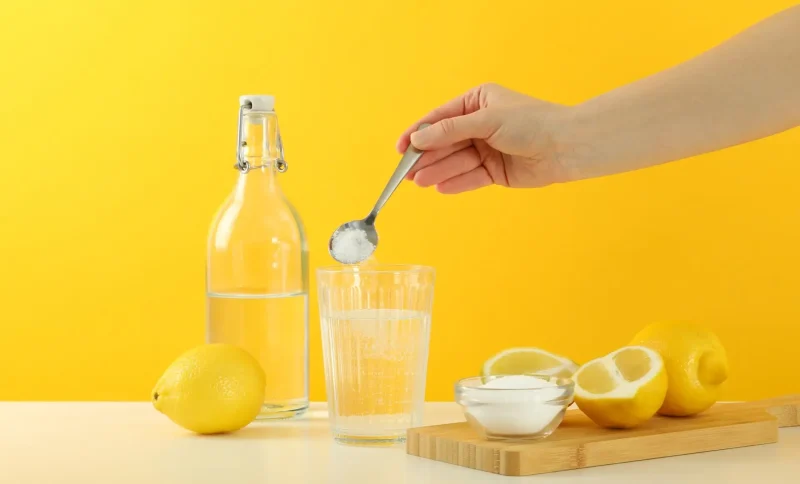
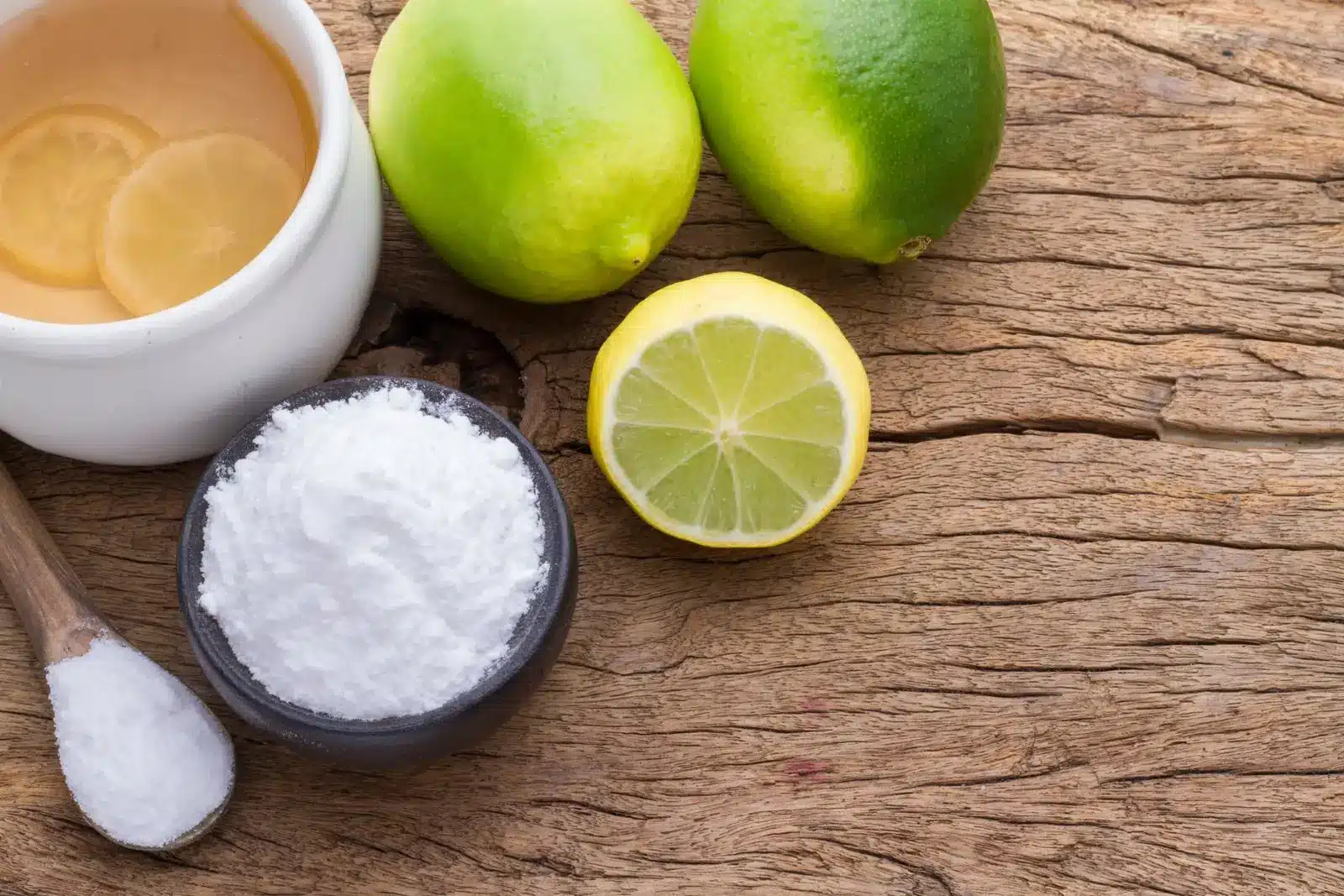
Citric acid is a weak acid found naturally in plants, and it’s a big part of why lemons and limes taste so sour. Your own body makes it, too, as part of normal metabolism.
The citric acid in packaged food is a different story. It usually starts in a fermentation tank, not a citrus grove.
What Is Citric Acid Made From?
Most of the world’s supply is made by a mold called Aspergillus niger. Producers feed the mold a sugary liquid, and it turns that sugar into citric acid. The mold is filtered out, and the acid is purified into white crystals.
Before James Currie identified this mold’s talent in 1917, citric acid came from citrus juice. Industrial production by fermentation began about two years later.
The sugar can come from different crops, including corn, cane and tapioca. In the U.S., corn has long been the usual source: a late-1990s USDA report described most domestic production as deep-tank fermentation of corn-derived glucose or dextrose.
Mark Anderson of Captain Drake, a Minnesota supplier of non-GMO and organic food ingredients, grew up on a North Dakota farm and now sources citrates for U.S. manufacturers. By his account, all three domestic citric acid manufacturers use GMO corn, so he looks abroad, to tapioca-based production in Thailand and cane-based production in South America.
Is Citric Acid Made From Mold?
Yes, in the sense that a mold produces it, much as yeast produces the alcohol in beer. The finished ingredient is the purified acid, recovered after the mold is removed.
The phrase “black mold” adds to the confusion. A. niger has dark spores, and niger is Latin for black, but it isn’t the household mold people usually mean. That’s Stachybotrys chartarum, which the CDC describes as a greenish-black mold that grows on damp fiberboard, gypsum board and paper.
Is Citric Acid Natural?
That depends on who’s defining the word. The FDA has no formal definition of “natural.” Its longstanding policy is that nothing artificial or synthetic has been added that wouldn’t normally be expected in the food. USDA’s organic rules, meanwhile, class citric acid made by microbial fermentation as nonsynthetic.
A fair summary: it’s a compound found in nature, produced through an industrial process.
What Does Non-GMO Mean for Citric Acid?
Here’s something the ingredient list won’t tell you: what the mold was fed. “Citric acid” looks the same on a label whether the sugar came from corn, cane or tapioca.
That detail matters to shoppers and brands avoiding genetically engineered crops. USDA data put herbicide-tolerant GE seed on about 92% of U.S. corn acres, so corn-based citric acid raises an obvious sourcing question.
For a food brand, the decision often comes down to what it wants to say on the package. Companies aiming for a Non-GMO Project Verified label may buy non-GMO citric acid in bulk, from 50-pound bags to 2,250-pound tote sacks, along with certificates and lot records that document each shipment.
Two points keep this in perspective. The finished citric acid is the same molecule whichever crop it came from, so a non-GMO claim tells you about sourcing, not nutrition. And the list of crops to watch can change. In October 2026, the Non-GMO Project added sugarcane to its High-Risk List as GMO cane expands in Brazil, with the new requirements starting December 1, 2028.
What Is Citric Acid Used For in Food?
It Adds a Clean, Sour Taste
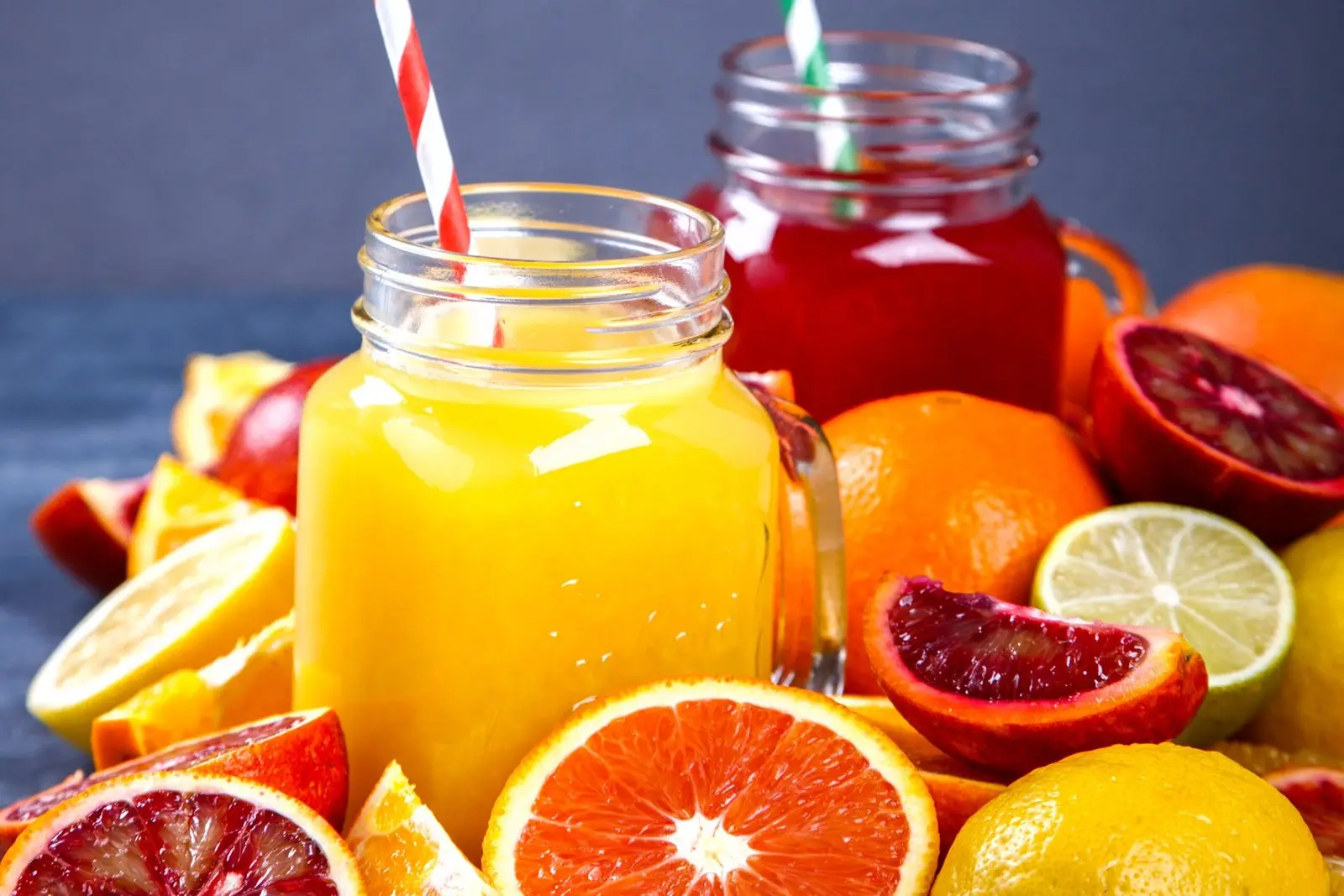
This is the job you can actually taste. Citric acid brings the tang to lemon-lime drinks, fruit candy and the sour coating on gummies. In small amounts, it can also keep sweet foods from tasting flat.
It Keeps Acidity Under Control
Food makers use citric acid to adjust pH, the measure of how acidic a food is. That affects flavor and, in some foods, safety.
Tomatoes are a good example. They sit on the border between acid and low-acid foods, so USDA directions for home canning call for added acid. The National Center for Home Food Preservation recommends ½ teaspoon of citric acid per quart of tomatoes or ¼ teaspoon per pint. Follow a tested recipe closely, because the acid can’t be reduced to suit your taste.
It Helps Protect Quality
Citric acid binds metal ions, which means it ties up trace metals that can speed oxidation. Home cooks use a related trick: a citric acid soak can help slow browning on cut apples and peaches, though Utah State University Extension says it isn’t as effective as ascorbic acid, better known as vitamin C.
It Helps Jam Set
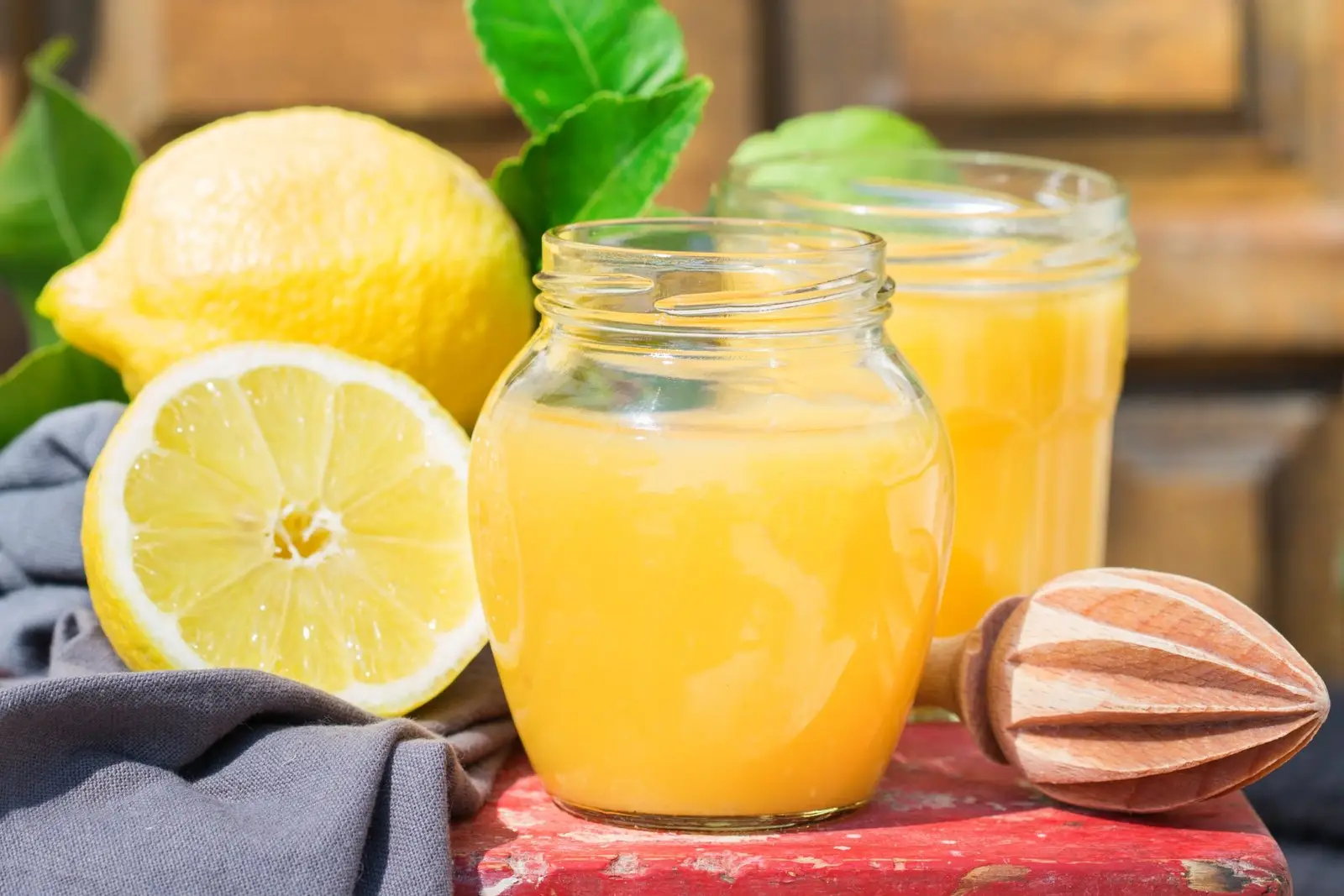
Pectin, the substance that makes jam gel, needs the right amount of acid. University of Nebraska–Lincoln Extension explains that with too little acid, the gel never sets. With too much, it weeps liquid.
It Speeds Up Homemade Cheese
If you’ve tried 30-minute mozzarella, you’ve met citric acid as a kitchen shortcut. It brings the milk to the acidity it needs to stretch later.
Why Food Makers Use It So Often
Few ingredients cover this much ground. One addition can handle taste, acidity and quality, which helps keep a recipe simple. Its safety record helps, too. The FDA affirmed citric acid as generally recognized as safe in 1994, and CSPI rates it “safe.”
There is one caveat: acid is hard on teeth. The American Dental Association says many sour candies rely on citric acids and warns that acidic foods and drinks can wear away enamel.
How to Read Citric Acid on a Label
- Check its position. Ingredients are listed in descending order by weight, so citric acid near the end means less of it than the ingredients before it.
- Look for a seal if sourcing matters to you. The words “citric acid” won’t reveal the crop. A Non-GMO Project Verified seal shows the product was checked against that standard.
- Don’t confuse it with ascorbic acid. Penn State Extension warns that the two can’t be substituted for each other in canning.
The Bottom Line
Citric acid turns up in so many foods because it solves several small problems at once. It adds tang, steadies acidity, protects quality and helps foods like jam and fresh cheese come together.
Most of it is made by a mold fed on sugar, which is less strange than it sounds. And if sourcing matters to you, you know the question worth asking: what was the mold fed?