


Most snacks do not disappoint because the food is bad. They disappoint because nothing was done to the food. A handful of baby carrots straight from the bag, a slice of plain toast, half an apple browning on the counter: all of it is fine, and none of it is interesting.
The distance between a snack you forget about and one you look forward to is usually thirty seconds of effort and one ingredient you already own.
That is good news if you snack out of necessity rather than enthusiasm.
You do not need a new appliance or a shopping list with twelve unfamiliar items on it. You need salt used sparingly, acid used generously, fat used with intention, and a little heat or herb to keep your palate awake. Those four levers explain nearly every snack that has ever tasted better than it had any right to.
The Academy of Nutrition and Dietetics describes snacks as a bridge from one meal to the next rather than a small meal of their own, and that framing helps. A bridge has to be sturdy, and it has to be quick to cross. What follows are the flavor moves that clear both bars, sorted by what is probably already sitting in your kitchen.
Start With What Is Already in Your Spice Drawer
Spices are the cheapest flavor in the house and the most neglected. Smoked paprika over cottage cheese tastes like something a person made on purpose. Cinnamon on apple slices costs nothing and reads as dessert.
Cumin with a pinch of cayenne stirred into plain yogurt becomes a dip in under a minute, and za’atar sprinkled over anything with a film of olive oil on it will convince guests you planned ahead.
Salt deserves its own note, because it is both the easiest fix and the easiest thing to overdo.
The American Heart Association points out that onions, garlic, herbs, spices, citrus juices, and vinegars can add flavor in place of some or all of the salt in what you are making. That is not a consolation prize for a restricted diet. It is how good cooks build taste in the first place.
Citrus and Vinegar Wake Everything Up
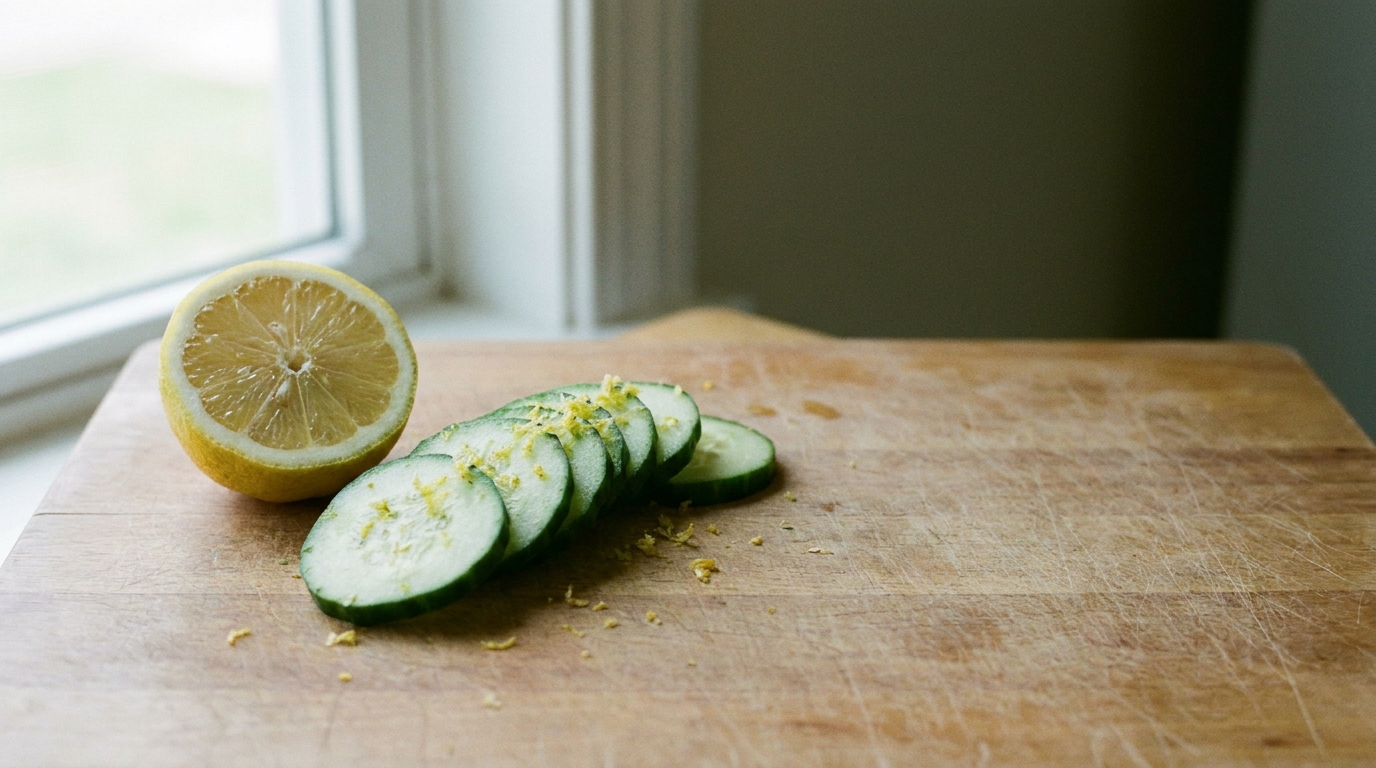
Acid is the lever most home snackers never pull, which is strange, since it is the one that changes a bite the fastest. Lemon juice over sliced cucumber turns a watery vegetable into something bright.
Lime on melon or mango sharpens the sweetness instead of competing with it. A splash of rice vinegar on shredded cabbage gives you a crunchy, tangy pile of something to eat with your hands.
Zest is even better than juice when you want flavor without extra moisture. A little grated lemon or orange peel over berries, yogurt, or ricotta on toast carries a huge amount of aroma for almost no effort, and it does not make anything soggy.
Keep one citrus fruit in the bowl at all times and you have a flavor plan.
Dips and Spreads Do the Heavy Lifting
A dip solves two problems at once: it adds fat and salt where the vegetable has none, and it gives you something to do with your hands.
Hummus, whipped cottage cheese, nut butter thinned with warm water, mashed avocado with lime and flaky salt, yogurt loosened with olive oil and dill. None of these takes longer than the time it takes to find a spoon.
Cheese belongs in this category too, and it stretches further than people assume. A few shavings over roasted vegetables or a slice folded into toast delivers the savory, slightly salty note that makes a snack feel finished.
If sodium is something you are tracking, a low sodium cheese keeps that note on the plate without pushing your daily total somewhere you did not intend.
Popcorn and Toast Reward Toppings Most
Popcorn is the clearest demonstration of this whole idea, because the base is almost pure texture and takes on whatever you give it.
The Whole Grains Council suggests tossing it with cinnamon, or squeezing lime over it and dusting it with chili or curry powder, or adding a teaspoon of Parmesan for something closer to cheese puffs. Nutritional yeast, dried oregano, and a few grinds of black pepper all work, and a very light drizzle of oil first helps the seasoning stick.
Toast runs on the same logic with a different surface. Ricotta with honey and cracked pepper, nut butter with sliced banana and cardamom, tomato rubbed on with garlic and good olive oil, mashed white beans with lemon zest.
Breakfast follows the pattern as well: there is an entire approach to making oatmeal taste good without leaning on sugar, and it comes down to salt, spice, fruit, and something crunchy, roughly in that order.
Keep the Good Stuff Within Arm’s Reach
None of this survives contact with a busy week unless the ingredients are visible.
Wash and cut vegetables when you unpack the groceries, not when you are hungry. Keep a small jar of your favorite spice blend next to the bowls rather than at the back of a cabinet. Portion nuts into containers so the crunchy option is as easy to grab as the one you are trying to eat less of.
Final Thoughts
Flavor is a habit more than a skill. Once you get used to reaching for lemon, paprika, or a spoonful of something creamy, you stop thinking of snacks as the thing you eat when there is nothing else, and start treating them as small meals worth getting right.
Pick two moves from this list and use them this week. Acid on fruit and vegetables, a spice on anything pale and soft: that is enough to change how your afternoons taste. The rest follows on its own, because the kitchen you set up today is the one that feeds you on the day you have no energy left to plan.