


A child’s bedroom is more than a place to sleep. It is where they play, read, dream and grow. Getting the look right can feel like a big job, but it does not have to be. Whether you are starting from scratch or refreshing a space, the right children’s room decor can bring personality and comfort without overwhelming the room. Here are nine ideas parents can use right away, followed by some important safety reminders.
1. Start With a Calm Color Palette
Soft, soothing colors make a bedroom feel restful. Think gentle blues, sage greens, warm neutrals and muted pinks. You can add pops of brighter color through accessories, which are easy to change as tastes evolve.
2. Add a Statement Wall
A single feature wall can transform a room. Try a mural, wallpaper, removable decals or a simple painted shape. Let your child help choose the theme, whether it is animals, space or rainbows.
3. Create a Reading Nook
A cozy corner with a beanbag, cushions and a small shelf invites quiet time. Add a soft rug and a gentle lamp. It is a lovely way to encourage a love of books.
4. Layer Soft Textures
Cushions, throws and a plush rug add warmth and comfort. Mix textures such as cotton, linen and knit for a layered look. These items are also easy to wash and swap as the seasons change.
5. Use Wall Art and Displays
Frame your child’s own drawings, hang a bunting or display a collection of favorite prints. A picture ledge makes it simple to rotate artwork without making new holes in the wall. It keeps the room personal and fresh.
6. Choose Smart Storage
Baskets, bins and open shelves keep toys tidy and within reach. Label containers with pictures so little ones can help pack away. Good storage makes the room feel calmer and bigger.
7. Add a Night Light
A soft glow helps children feel safe at bedtime. Choose a warm, low light that is gentle on sleepy eyes. Many come in playful shapes, so they work as decor too.
8. Bring in Nature
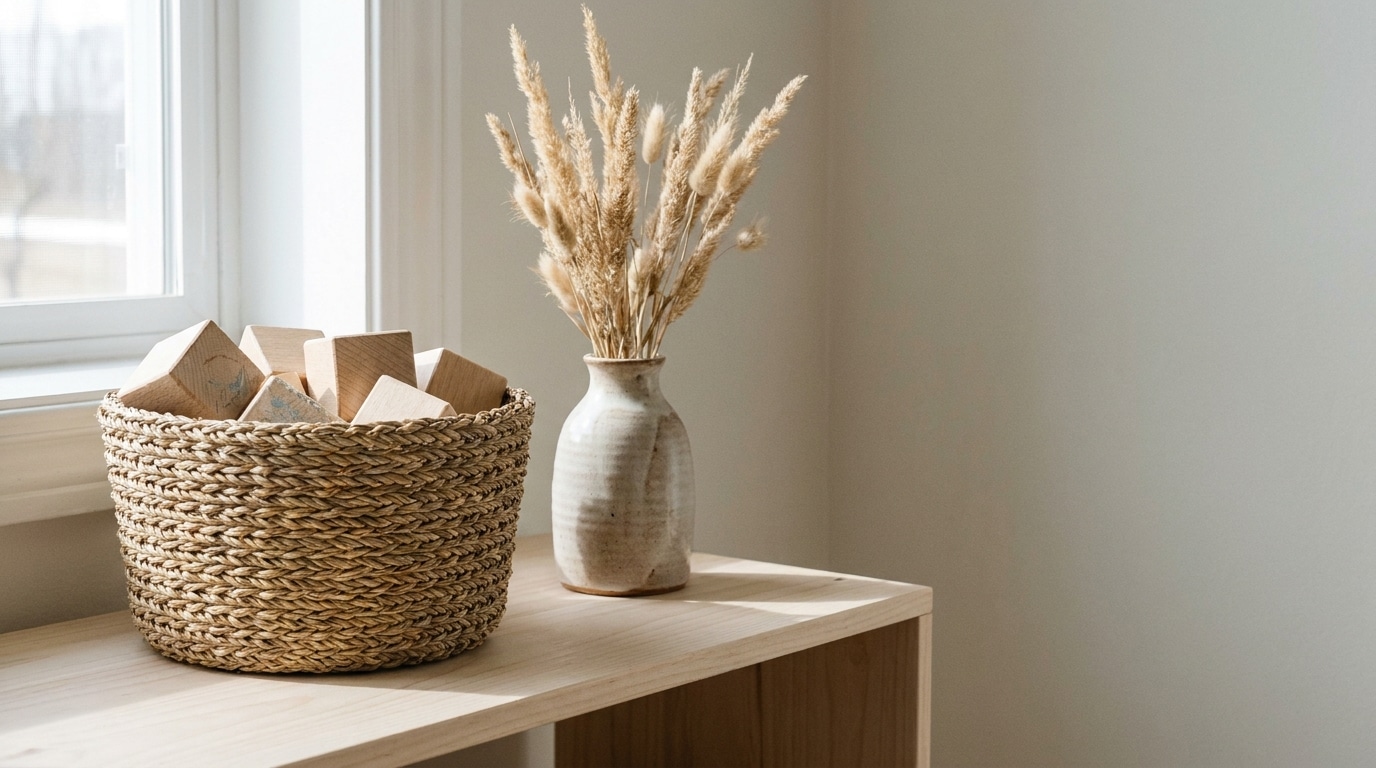
Wooden toys, woven baskets and dried grasses add natural warmth. A leafy print or a nature themed poster can make the room feel connected to the outdoors. Keep plants and small decorative objects well out of reach of little hands.
9. Plan for Growth
Children change quickly, so choose a base that can grow with them. Neutral furniture, adaptable bedding and swappable accessories save money and effort. Update the small details as interests change.
Secure Your Furniture
Style is important, but safety comes first. Furniture and televisions can topple, and this is a real risk for young children who climb. Product Safety Australia has a helpful toppling furniture and televisions guide for families. It explains why anchoring matters and how to reduce the risk at home. Fix tall bookcases, drawers and wardrobes to the wall, and place heavier items low. Check anchors from time to time to make sure they remain secure.
Look at Safety Room by Room
Plunket in New Zealand offers broader advice on safety at home, covering common hazards for babies and young children. It is a handy checklist to review as you plan a bedroom. Look at the room through your child’s eyes, get down to their level and check what they can reach, climb or pull. Keep cords and small objects out of reach, and review your setup as your child grows and becomes more mobile.
Involve Your Child
Children love having a say in their space. Offer a few choices, such as two color options or a handful of cushion designs, and let them pick. They will feel proud of the finished room, and you will end up with a space they actually enjoy.
Keep It Simple
Resist the urge to add too much. A few well-chosen pieces create a calmer, more functional room than a crowded one. Leave plenty of floor space for play, and remember that a tidy room is easier for everyone to maintain.
Set up a Play Zone
Give toys a home of their own. A low table, a soft mat and a few baskets can turn one corner into a play area. Keep the zone away from windows and heavy furniture so little ones can move freely. When playtime ends, everything can go back into its basket and the room resets in minutes.
Think About Bedtime Routines
Decor can support good sleep habits. Blackout curtains help keep the room dark at nap time, and a simple bedtime shelf with two or three favorite books makes winding down easier. Keep screens out of the bedroom if you can, and choose bedding that feels soft and breathable so your child stays comfortable through the night.
Mix Budget and Special Pieces
You do not need to buy everything at once. Spend on the items your child will use daily, such as bedding and a good rug, and fill in with affordable accessories. Secondhand frames, handmade art and thrifted baskets can add charm for very little. Over time, the room will build character and feel truly lived in.
Refresh With the Seasons
Swapping a few items each season keeps the room feeling new. Lighter bedding and bright cushions suit summer, while heavier throws and warm tones suit winter. It is a simple, low cost way to keep your child interested in their space.
The Takeaway
A great kids room balances fun, comfort and safety. Choose a calm base, add personal touches, secure your furniture and involve your child in the process. With a little thought, you can create a room they will love for years.