
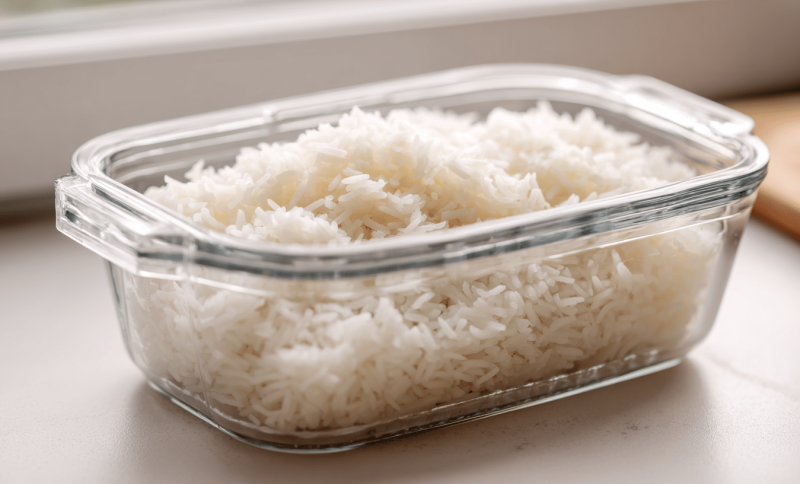
Ever cooked too much rice and wondered how to store cooked rice safely?
Many people face this common kitchen challenge! Rice is a kitchen staple that many of us cook in big batches, but storing it wrong can lead to food poisoning or wasted leftovers.
Fortunately, with a few simple steps, you can keep your cooked rice fresh, safe, and delicious for days or even months.
If you want to meal prep for the week or save tonight’s leftovers, the rules are short. Get cooked rice into the fridge within two hours, keep it sealed, and eat it within three to four days. Freeze whatever you won’t finish by then.
The cooling tricks, freezer tips, and three reheating methods that follow help keep leftover rice safe and soft.
Why is Storing Cooked Rice Properly so Important?
Storing cooked rice the right way isn’t just about keeping it fresh – it’s about staying safe. Rice can contain spores of a bacterium called Bacillus cereus, which survive the cooking process.
When cooked rice is left at room temperature (between 40°F and 140°F), these spores can grow and produce toxins that can make you sick.
This temperature range is known as the “danger zone,” and rice shouldn’t be left there for more than two hours. If you don’t store rice properly, you risk contracting food poisoning, which can cause vomiting and diarrhea.
Bad storage also ruins the texture, making rice dry, hard, or mushy, and it can spoil faster, leading to waste.
How to Store Uncooked Rice Properly?
Uncooked rice also requires proper storage, even though it lasts much longer than cooked rice. Store it in an airtight container in a cool, dry place, such as your pantry.
White rice can last up to five years when stored correctly. Brown rice, a staple on any high-fiber food chart, lasts only about six months because of its natural oils.
To keep pests away, add a bay leaf or a few whole cloves to your rice container. Always make sure the container is completely sealed. Moisture is your biggest enemy because it causes mold to grow on uncooked rice.
Check your rice occasionally for any signs of bugs or unusual smells to catch problems early.
How to Store Cooked Rice?
Storing cooked rice correctly helps keep it safe to eat and maintain its taste and texture. Follow these methods to store your rice properly and avoid food safety risks.
Method 1: Cool The Rice Quickly
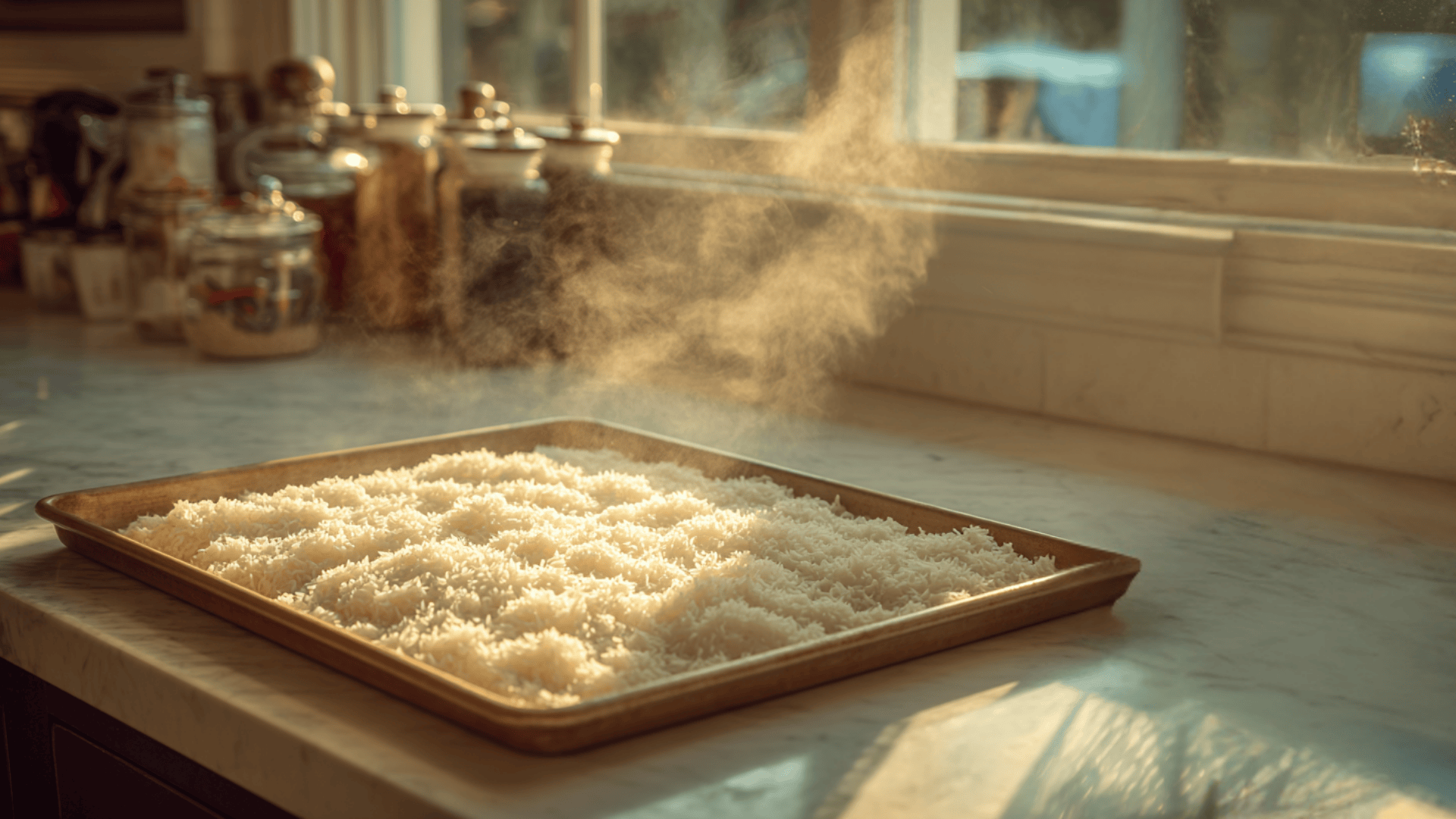
Fast cooling stops bacteria from growing on your rice. Spread the hot rice on a large tray or divide it into shallow pans to cool it faster. You can even use a fan to speed up the process.
Breaking rice into smaller portions helps it reach a safe temperature quickly. Refrigerate cooked rice within two hours; if the room is above 90°F (32°C), refrigerate it within one hour, as harmful bacteria multiply rapidly in the danger zone.
Method 2: Use Airtight Containers
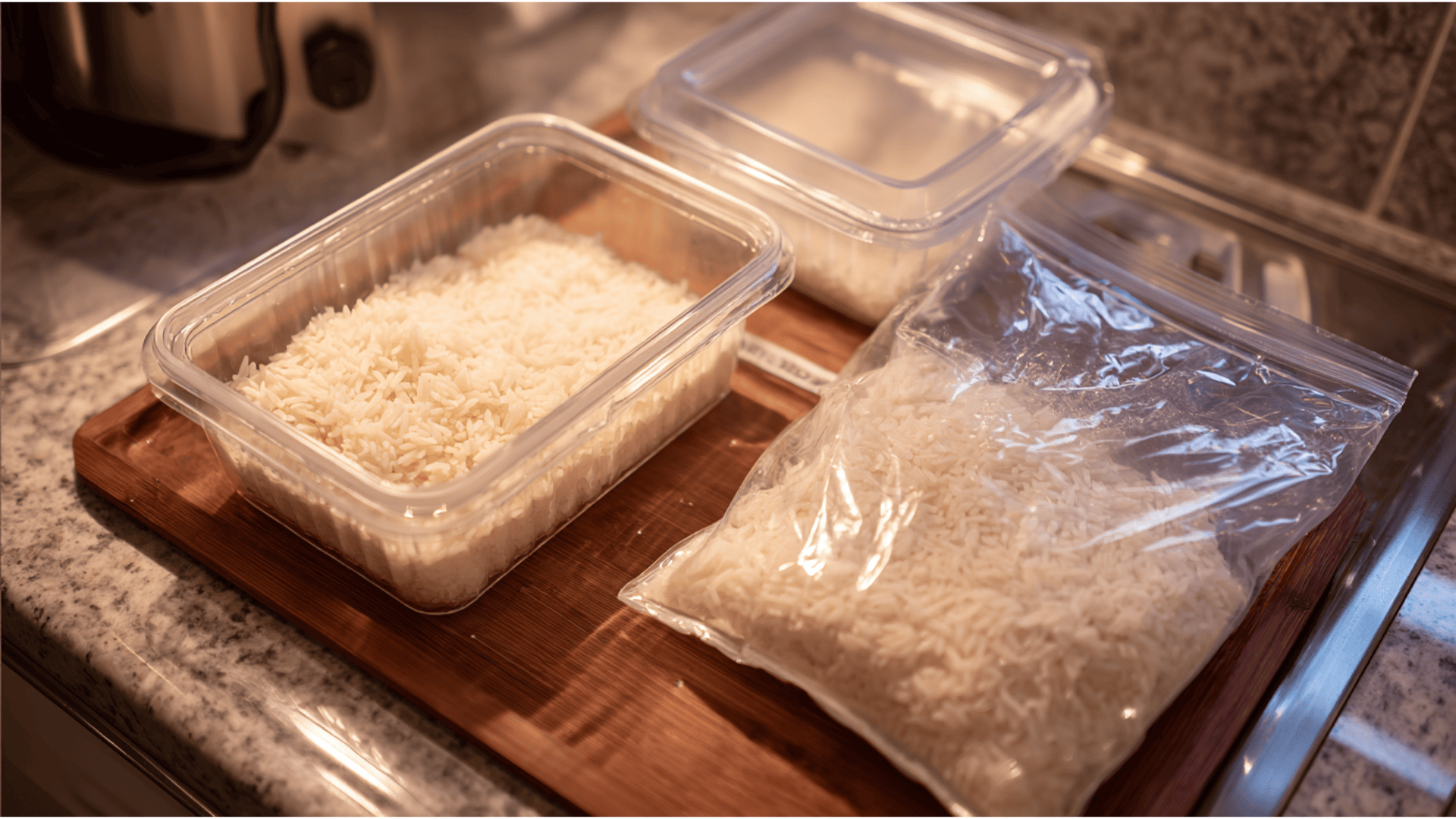
Airtight containers prevent bacteria and moisture from contaminating your rice. Choose BPA-free plastic containers, resealable zip bags, or glass jars with tight lids.
If using bags, press out extra air and flatten them to save space. Label your containers with the date you cooked the rice so you can track freshness and use it before it goes bad.
Method 3: Refrigerate it Properly
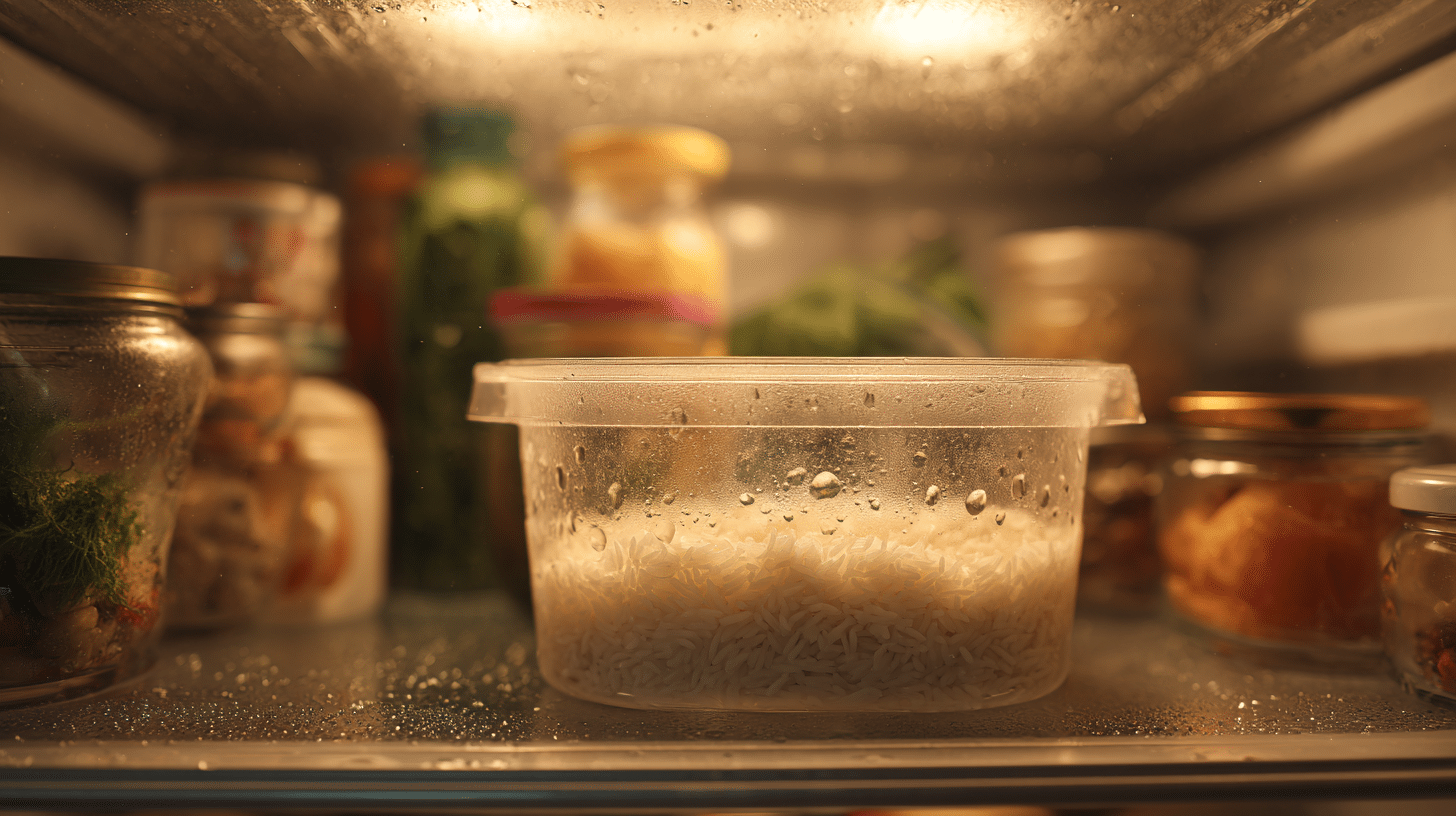
Let the rice cool briefly (no longer than two hours at room temperature), then transfer it to the refrigerator. Stored rice stays fresh for three to four days in the refrigerator.
Keep it in the coldest part of your fridge, not in the door where temperatures change often. If your rice seems dry, place a slightly damp paper towel over it before sealing the container to prevent it from becoming hard.
Method 4: Freeze it for Long-Term Use
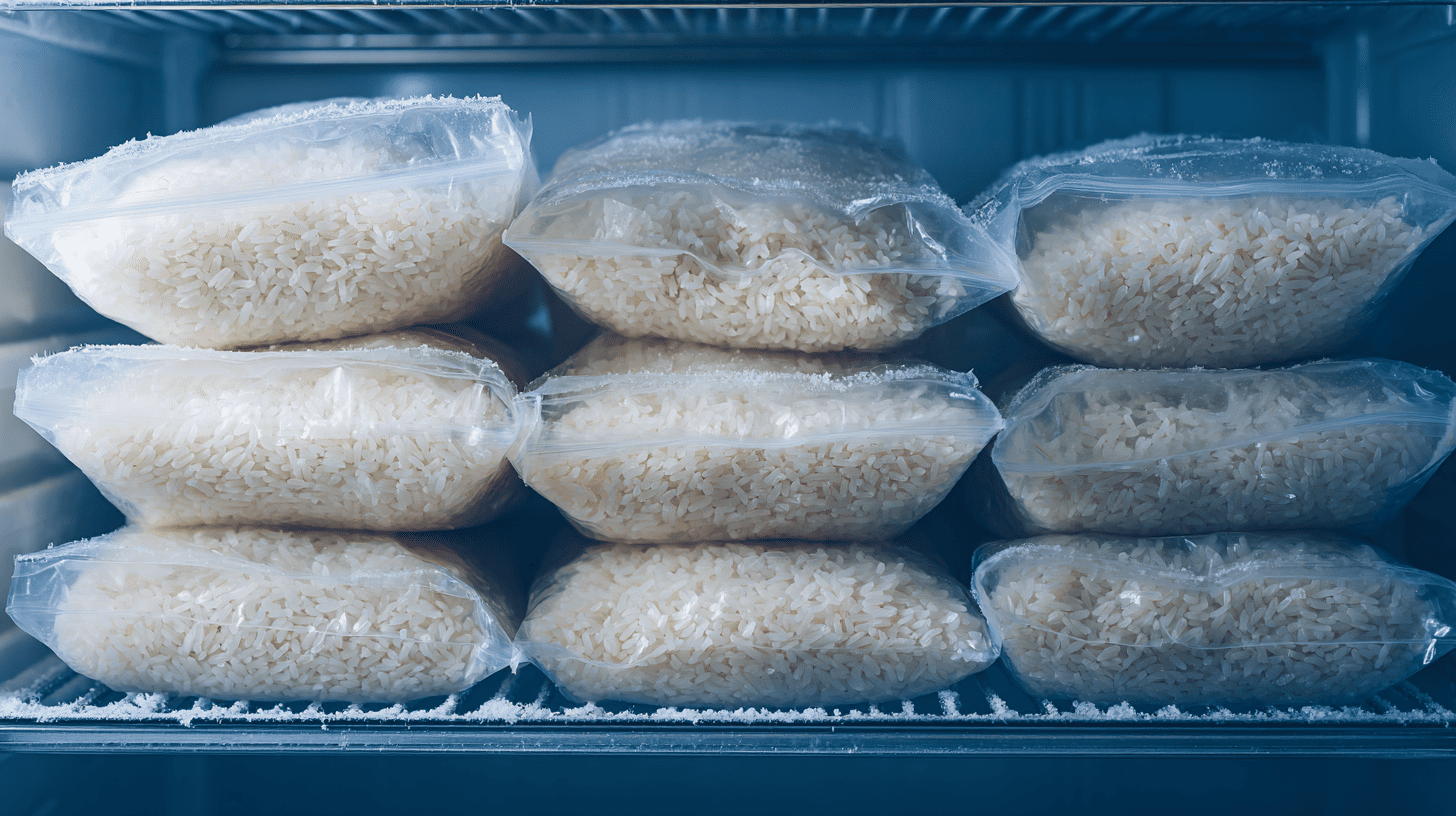
Freezing works great for meal prep or large batches. Divide rice into individual portions before freezing so you only thaw what you need.
Flatten storage bags to help the rice freeze and thaw faster. Thaw it in the fridge overnight or reheat directly from frozen. Frozen rice stays safe indefinitely at 0°F, though its texture fades over time. It tastes best within one to two months.
Note: For best texture, use frozen rice within one to two months; it remains safe longer if kept continuously at 0°F (-18°C)
How to Reheat Cooked Rice Safely
To safely enjoy leftover rice, always reheat it to at least 165°F (74°C) and only once. If the rice smells off, feels sticky or slimy, or looks unusual, it’s best to discard it – reheating won’t remove existing toxins.
1. Microwave Method
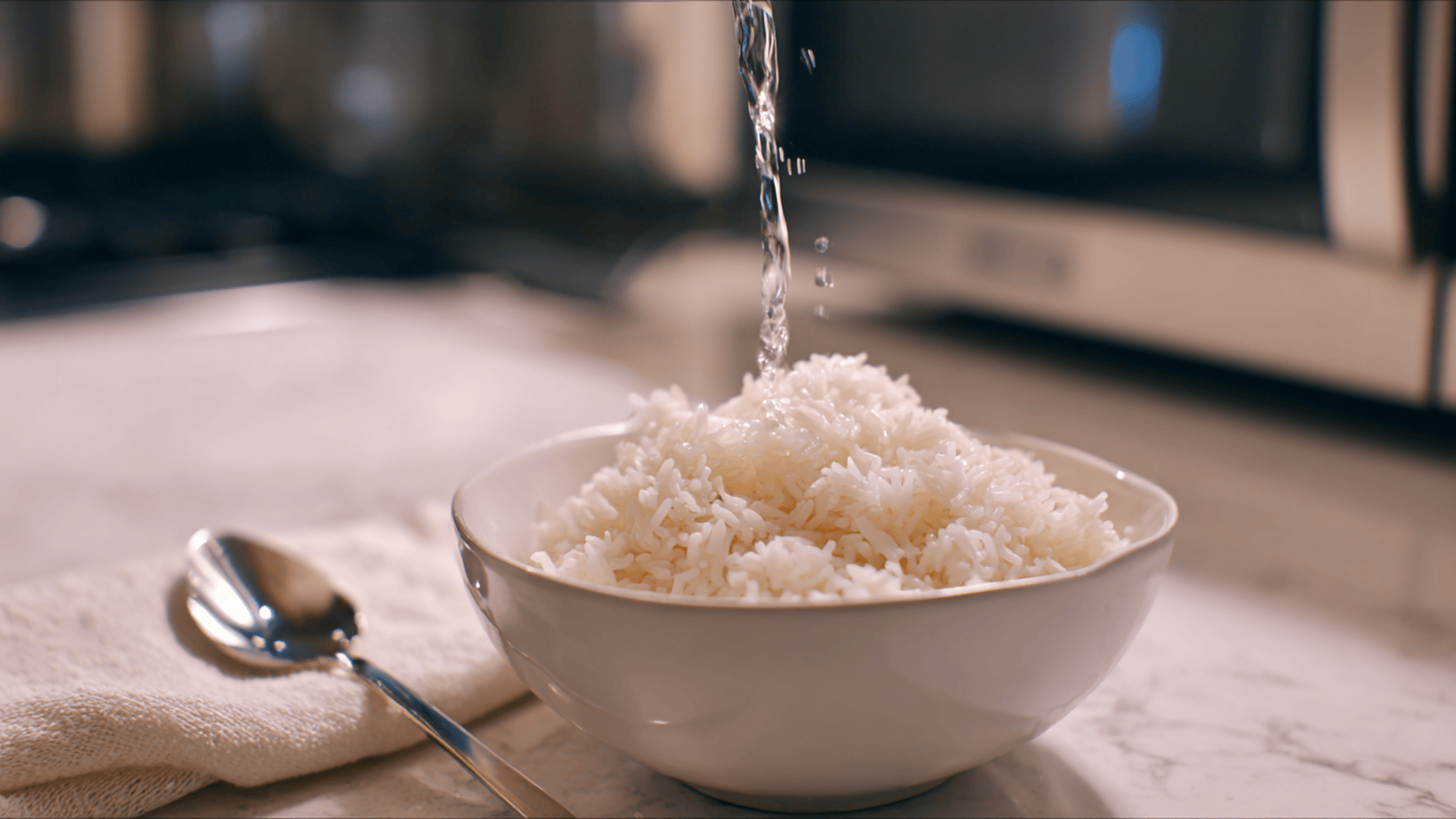
Place your rice in a microwave-safe bowl and add some water to keep it moist. Cover the bowl loosely with a lid or a damp paper towel to trap steam.
Heat on high for one to two minutes, stirring halfway through to ensure even heating. Make sure the rice is steaming hot all the way through before eating. It’s also the quickest way to warm rice for teriyaki beef rice bowls on busy nights.
2. Stovetop Method
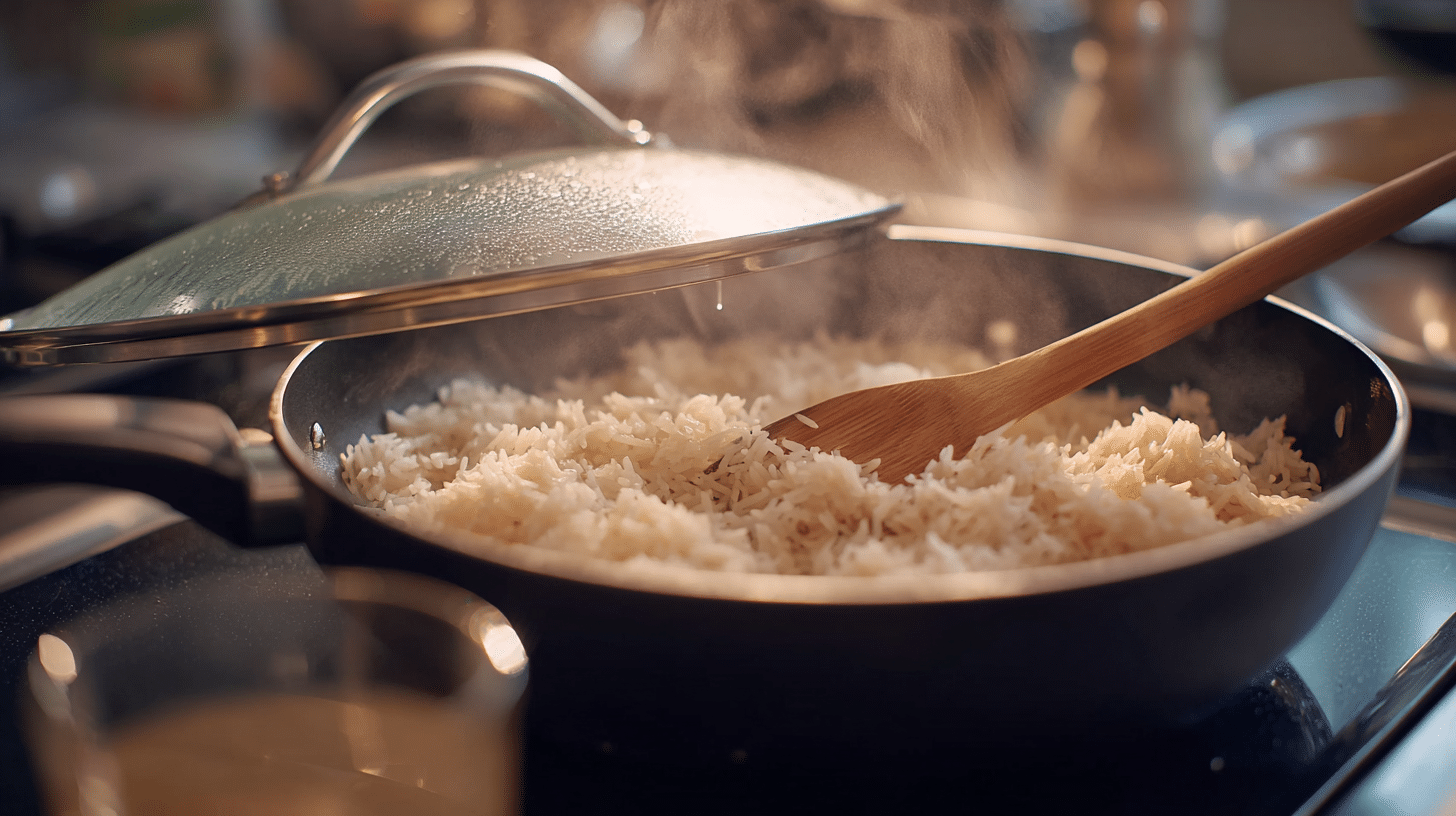
Transfer your rice to a non-stick pan and add a little bit of water or broth to prevent sticking. Cover the pan with a lid to trap moisture and heat, then cook on low.
Stir occasionally to ensure the rice heats evenly throughout. Keep heating until the rice is hot all the way through and steaming. This method gives you more control over the texture and moisture level of your rice.
3. Oven Method
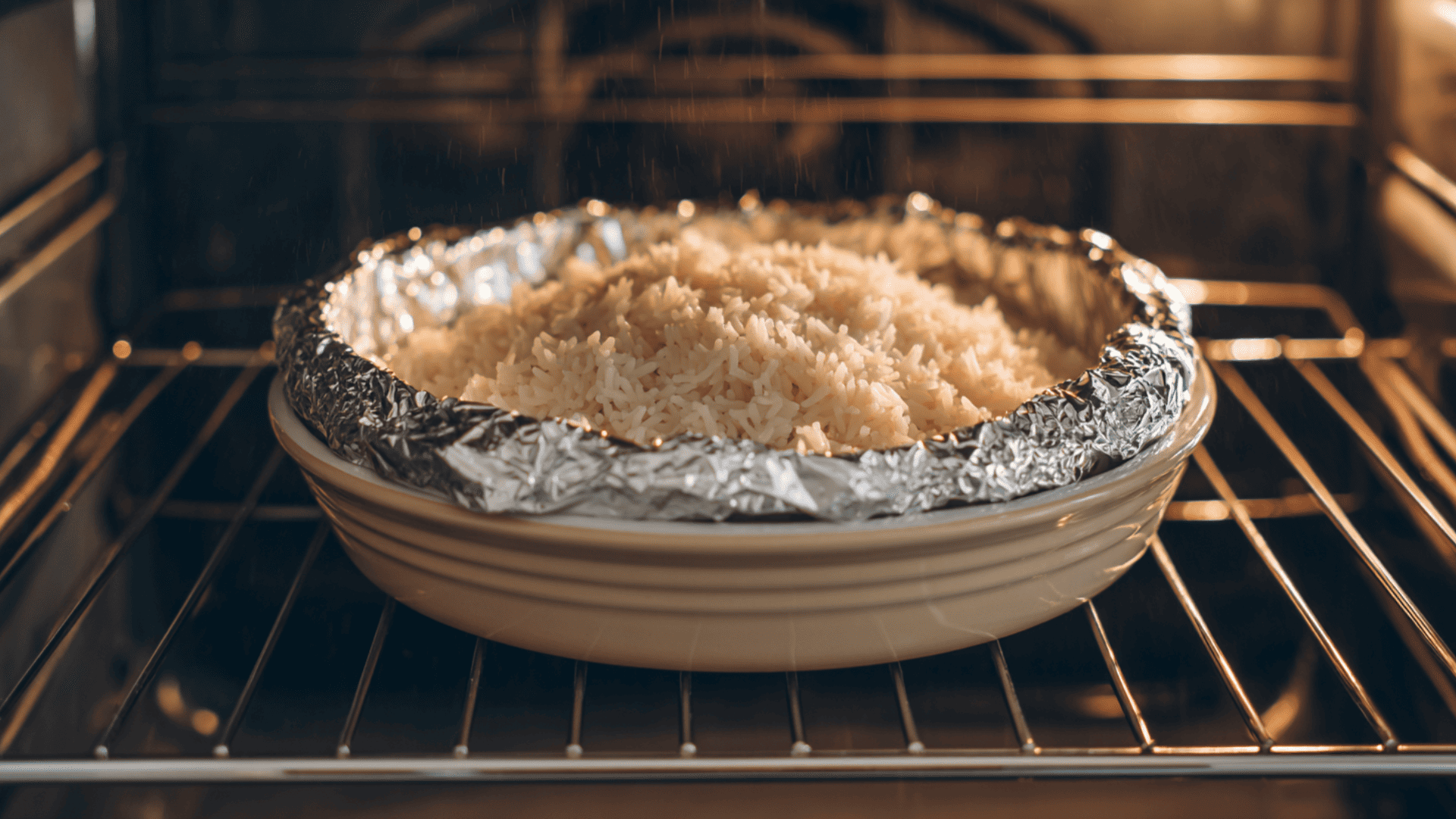
Preheat your oven to 300°F (150°C) before you begin. Place the rice in an oven-safe dish and add a few tablespoons of water to add moisture.
Cover the dish tightly with foil to trap steam, like you would when reheating a crockpot chicken enchilada casserole. Bake for 15 to 20 minutes, or until the rice is hot throughout.
This method works well when reheating large amounts of rice for a family meal or gathering.
Mistakes to Avoid when Storing and Reheating Rice
Even when you know the right ways to store rice, small mistakes can still cause problems. Avoiding these common errors keeps your rice safe and tasty to eat.
-
Leaving Rice out Too Long: Never let cooked rice sit out for more than two hours, as bacteria grow quickly.
-
Using Open Containers: Always use containers with tight lids or sealed bags to keep bacteria out.
-
Reheating Multiple Times: Reheat rice only once after storing it to prevent bacterial growth.
-
Eating Old Rice: Don’t eat refrigerated rice older than four days. Use frozen rice within one to two months for the best texture.
Following these simple rules protects you from food poisoning and lets you enjoy your rice worry-free. When in doubt, throw it out and cook fresh rice instead.
The Bottom Line
Now you know exactly how to store cooked rice safely and keep it fresh for your next meal!
From cooling it quickly to freezing it for later, these simple storage methods protect you from food poisoning while reducing food waste.
Remember to refrigerate within two hours, use airtight containers, and reheat only once.
With these easy tips, you can enjoy perfectly stored rice anytime, worry-free. Have your own rice storage tips or tricks? Share them in the comments below – I’d love to hear what works best for you!
Frequently Asked Questions
Is it Safe to Eat Cold Rice Straight from The Fridge?
Yes, if it went into the fridge within two hours and stayed at 40°F or below. Properly chilled rice is safe to eat cold in salads or bowls.
Can You Leave Rice in a Rice Cooker on Keep Warm Overnight?
Only if the keep-warm setting keeps the rice at 140°F or higher all night. Check your manual, and refrigerate the rice within two hours once it cools below that.
Can You Refreeze Cooked Rice After Thawing it?
Yes, if it thawed in the refrigerator and hasn’t been reheated. USDA guidance allows refreezing fridge-thawed food without cooking, though the rice may turn slightly drier.