Most plumbing problems occur without warning. A dripping faucet or a fixture that drains slowly or makes strange noises may not seem like major issues until they escalate into costly problems (water damage or expensive repairs). The good news is that there are some very simple ways to maintain your home’s plumbing system that don’t require any special training or expertise. If you know what can go wrong and how to fix it, many problems can be addressed before they become serious.
Here are some great beginner-level plumbing maintenance tips for you.
Basic Plumbing in Your Home
Before doing anything else, it’s essential to understand how water enters and leaves your home. Every homeowner should know at least the following:
- Where the main water shutoff valve is located
- Which pipes carry clean water, and which pipes carry wastewater
- How sinks, toilets, and showers are connected to the plumbing system
Knowing these things will allow you to react quickly to problems.
The Importance of Regular Leak Detection
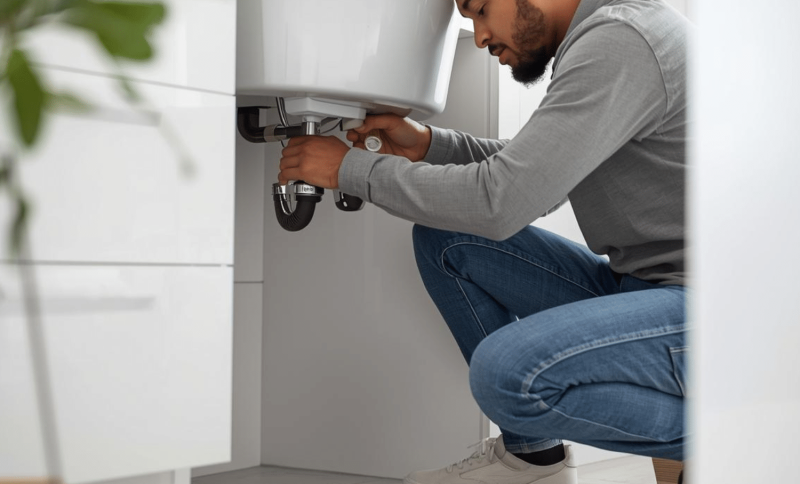
Small leaks in your home can be difficult to detect, but over time, they can waste a lot of water! Make it a regular habit to check for leaks by looking for dampness or discoloration under sinks, checking for standing water around toilets, inspecting exposed pipes for drips or corrosion, and fixing leaky faucets.
You’ll find that these repairs are easy to do, and you can purchase the necessary supplies from a plumbing supply store, so you won’t need to call a plumber for every minor issue.
Keep Your Drains Clear Without Using Harsh Chemicals
Slow-draining drains are a very common problem in homes! Follow these simple tips to prevent clogged drains:
- Use drain strainers in sinks and showers.
- Avoid pouring grease or food scraps down the drain.
- Periodically flush your drains with hot (boiling) water.
If you do notice a clog in your drain, use natural products like baking soda and vinegar to clear it, as these are much safer for most plumbing systems. Chemical drain cleaners can be very convenient, but overuse/misuse can cause significant damage to your plumbing system over time.

Pay Attention to Your Water Pressure
Sudden changes in your water pressure could indicate a problem with your home’s plumbing.
Unusually high or low water pressure in your home can be caused by plumbing issues. Low water pressure may indicate that your fixtures are faulty or that mineral deposits have built up in your pipes; on the other hand, when your water pressure is too high, it can put stress on plumbing pipes and connections.
If your water pressure changes suddenly or is inconsistent, it may be time to have your fixtures inspected or replace any worn-out parts. Many homeowners have reported finding more durable replacement parts at plumbing supply stores compared to regular home improvement stores.
Take Good Care of Your Faucets, Toilets, and Valves
We use our fixtures every day, and this causes wear and tear. However, a little regular maintenance can keep them working for many years.
These steps can help you take care of your fixtures:
1. Tightening loose handles
2. Replacing worn washers and seals
3. Fixing your leaking toilet as soon as possible
Since a leaking toilet can waste hundreds of gallons of water in a week, you’ll save both water and money if you fix the problem quickly.
Watch for Early Warning Signs
Pay attention to the warning signs that indicate potential problems in your plumbing system.
Several signs can signal impending major plumbing issues, such as:
- Gurgling sounds from drains
- Foul odors from sinks or floor drains.
- Discolored water
- Damp spots on walls or ceilings
These signs can indicate blockages, poor venting, or small leaks that require immediate attention.
Prepare for changing seasons.
Temperature fluctuations can significantly impact plumbing systems, and most people don’t realize it until it’s too late. Therefore:
- Insulate exposed pipes
- Disconnect garden hoses from their outdoor spigots and turn off those spigots.s
- Drain outdoor plumbing lines by turning off the water supply and draining any remaining water.
Seasonal preparation is even more crucial in older homes, where plumbing systems are under greater stress.

Determine When to DIY and When to Go with a Pro
There are lots of plumbing jobs that are within reach of an average person. However, it’s essential to note that not all plumbing jobs are within a homeowner’s basic maintenance scope. If a homeowner has continual leaks, repeated clogs, unanticipated drops in water pressure, or signs of leaks on the ceiling surface, then they are dealing with a bigger plumbing issue than just a simple repair.
Sometimes, when inexperienced people try to repair a complex repair, it makes the same type of repair worse than if they had never repaired it in the first place. So, making contact via a licensed plumber is typically the safest and most cost-effective way to accomplish repairs on your plumbing system, especially after you know what your limitations are with regard to plumbing repair, which will save your plumbing system as well as your home.
Final Thought
Plumbing maintenance doesn’t have to be scary! Homeowners can avoid most common plumbing problems and have their plumbing systems work, simply by keeping up with routine check-ups, establishing a few basic habits, and taking some basic courses or reading could be very helpful to them with regard to improving the overall efficiency of their plumbing systems. Most homeowners could be doing something very small, such as fixing leaks as soon as they notice them, maintaining their plumbing fixtures, or using quality plumbing supplies, which will significantly reduce or eliminate the need for expensive plumbing repairs in the long run.
A proactive approach with regard to the plumbing systemis not just about protecting plumbing pipes, but it will also help to protect the home overall.