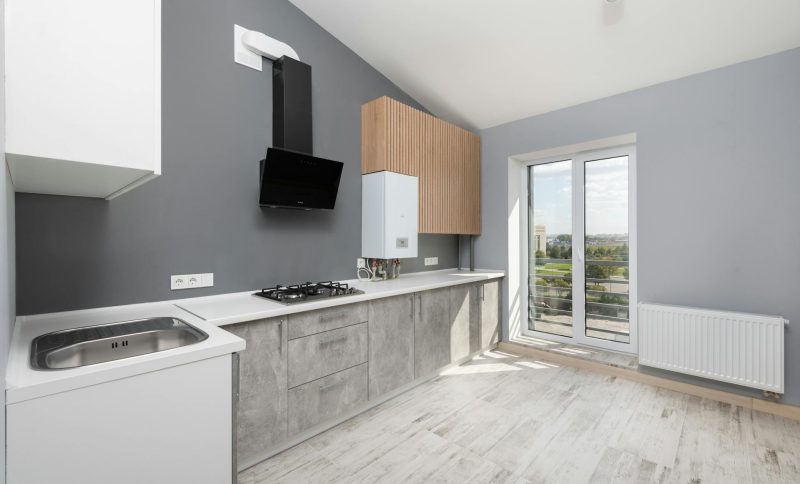
The kitchen shapes how a home feels and functions every day. It’s where mornings start, meals come together, and conversations naturally gather. Over time, even well-built kitchens begin to feel outdated, inefficient, or disconnected from modern needs. Reimagining this space goes beyond surface upgrades. It requires thoughtful decisions, smart planning, and a clear understanding of what truly adds value and comfort.
This article guides you through practical, well-planned kitchen improvements so you can invest wisely, avoid common mistakes, and create a space that works better for your lifestyle.
Define Clear Goals Before You Start
Before making any decisions, take time to understand what your kitchen truly needs. Many renovation projects lose direction because they start with materials or styles instead of purpose. Think about how you use the kitchen each day and where frustrations appear. Limited counter space, poor storage, or awkward movement often cause more issues than outdated finishes. Clear goals help you stay focused and prevent unnecessary spending. When you know what you want to fix or improve, every choice becomes easier and more intentional.
Finance the Project the Wise Way

A kitchen renovation works best when financial planning comes first. Setting a clear budget helps you avoid delays and compromises later. Rather than using emergency savings, many homeowners explore financing options that offer flexibility. A HELOC loan, for instance, can be a practical choice, especially for larger projects. It allows access to funds based on home equity and often comes with lower interest rates than personal loans. When used responsibly, this option lets you spread costs over time while keeping cash available for other needs. Smart financing supports better decisions and reduces stress throughout the process.
Focus on Layout and Workflow
A well-designed kitchen should support how you move and work within the space. Poor layout often leads to wasted time and frustration, even in newly renovated kitchens. Pay attention to the distance between key areas such as the sink, stove, and refrigerator. Improving workflow can make cooking and cleaning easier without increasing the kitchen’s size. Small layout adjustments often deliver greater benefits than expensive materials. When the space flows naturally, the kitchen becomes more enjoyable to use every day.
Upgrade Cabinets for Function, Not Just Looks
Cabinets play a major role in how a kitchen performs. While style matters, function should guide every choice. Storage solutions that improve accessibility can change how the space feels and works. Deep drawers, pull-out shelves, and thoughtful organization reduce clutter and save time. Choosing durable materials also ensures cabinets hold up to daily use. When cabinets support both storage needs and long-term wear, they become a worthwhile investment rather than a cosmetic upgrade. For homeowners seeking professional-grade durability, pipe shelves for commercial kitchens offer heavy-duty storage solutions that withstand constant use. These industrial-strength options provide long-lasting performance for serious home cooks who demand commercial reliability.
Choose Countertops That Match Daily Use
Countertops see constant activity, so material selection should reflect real use. Some surfaces require frequent maintenance or show wear quickly, which can become frustrating over time. Think about cooking habits, cleaning routines, and how often the kitchen hosts activity. Durable materials that resist stains and heat often provide better value in the long run. A practical choice keeps the kitchen looking good while supporting everyday tasks without added effort.
Invest in Appliances That Improve Efficiency
Appliances play a central role in how smoothly a kitchen operates each day. Choosing the right ones requires more thought than simply upgrading to the newest models. Consider how often you cook, the type of meals you prepare, and how much space you truly need. Oversized or feature-heavy appliances can drive up costs without improving daily use. Efficiency should guide every decision, from energy consumption to performance consistency. Reliable appliances reduce interruptions, limit repair needs, and support a kitchen that functions well under regular use. When appliances align with real habits instead of trends, they quietly improve the overall experience of the space.
Improve Lighting for Practical and Visual Impact

Lighting influences both functionality and comfort in the kitchen. Poor lighting can strain the eyes, hide important details, and make everyday tasks more difficult than necessary. A thoughtful lighting plan ensures that work surfaces remain bright and easy to use while other areas feel balanced and welcoming. Task lighting helps with food preparation and cleaning, while softer light creates a comfortable atmosphere for dining or conversation. Placement matters as much as brightness. Proper lighting reduces shadows and improves visibility, which makes the kitchen safer and more enjoyable throughout the day and evening.
Don’t Overlook Flooring Durability
Flooring often receives less attention than cabinets or countertops, yet it endures constant wear. Kitchens experience spills, dropped items, and heavy foot traffic, so durability should guide material selection. Floors that resist moisture and stains simplify cleaning and hold up better over time. Comfort also deserves consideration, especially in kitchens where cooking happens frequently. A stable, well-chosen floor supports daily movement and maintains its appearance without frequent repairs. Investing in durable flooring protects the kitchen from early wear and preserves the overall quality of the renovation.
Work With Skilled Professionals
The success of a kitchen renovation often depends on the expertise behind it. Skilled professionals bring structure, efficiency, and problem-solving ability to the project. They help translate ideas into workable plans and anticipate challenges before they cause delays. Clear communication helps align expectations and ensures that decisions stay consistent with the original goals. Experienced contractors and designers also understand building standards and material performance, which reduces the risk of costly mistakes. Working with professionals allows homeowners to focus on choices while trusting the execution to capable hands.
Plan for Long-Term Value
A kitchen should continue to serve its purpose long after the renovation finishes. Planning with long-term value in mind helps ensure the space remains functional and appealing as needs change. Balanced design choices often age better than bold trends that feel dated quickly. Durable materials, flexible layouts, and thoughtful storage support years of use without frequent updates. A kitchen that adapts well to daily life and future transitions holds its value more effectively. Long-term thinking encourages decisions that feel rewarding well beyond the initial excitement of the upgrade.
A well-designed kitchen reflects careful thought rather than rushed decisions. When efficiency, durability, and professional insight guide the process, the space becomes easier to rely on and simpler to maintain. Each improvement contributes to a kitchen that supports daily routines without demanding constant attention. The result is not just a better-looking room, but a space that fits naturally into the rhythm of home life and continues to feel right as time moves forward.