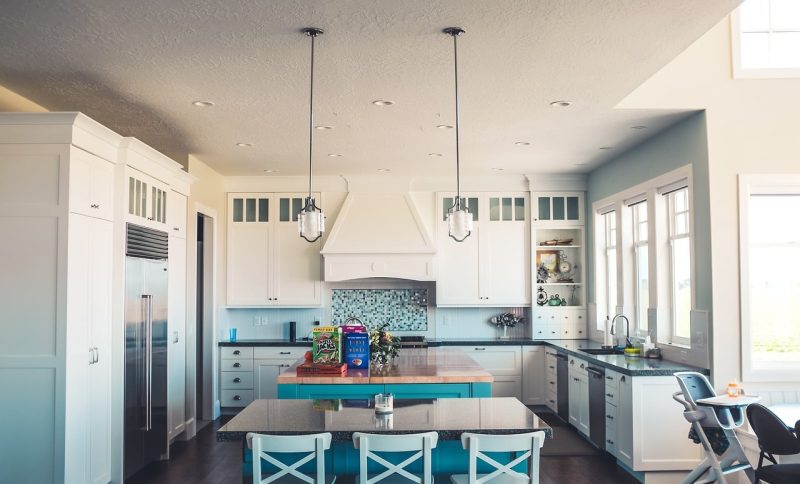
In today’s world, energy efficiency is a top priority for homeowners looking to save money and reduce their environmental impact. The kitchen, being one of the most energy-intensive areas of the house, is a prime place to implement sustainable upgrades.
Whether you’re preparing meals, washing dishes, or running appliances, there are numerous ways to reduce energy consumption in your kitchen while still maintaining a fully functional, comfortable space. This article will explore effective tips for upgrading your kitchen to save energy, promoting both sustainable living and cost savings.
1. Switch to Energy-Efficient Appliances
Appliances such as refrigerators, dishwashers, stoves, and ovens are major contributors to your energy consumption. Older models are often much less efficient compared to newer, Energy Star-rated appliances.
Key upgrades: Replace outdated appliances with energy-efficient models certified by Energy Star. Energy-efficient refrigerators, dishwashers, and stoves consume less electricity, reducing both energy bills and environmental impact.
Sustainability benefits: Modern, energy-efficient appliances use advanced technologies that lower your electricity usage without compromising performance. By upgrading, you’ll save on utility bills and reduce your carbon footprint.
2. Install Smart Lighting
Lighting accounts for a significant portion of your kitchen’s energy consumption, especially if you leave lights on for extended periods. By replacing traditional incandescent bulbs with energy-efficient alternatives, you can significantly reduce your electricity use.
Key upgrades: Install LED bulbs, which use at least 75% less energy and last longer than incandescent bulbs. Consider adding smart lighting systems that automatically turn off lights when not in use, or motion sensors that detect when someone enters the room.
Sustainability benefits: LED lights provide excellent brightness while consuming much less energy. Smart lighting systems further enhance energy savings by ensuring lights are on only when needed, reducing unnecessary energy waste.
3. Upgrade Insulation and Sealing
Inefficient insulation and air leaks in your kitchen can increase heating and cooling costs. By improving insulation and sealing gaps, you can maintain a more stable indoor temperature and reduce the need for excessive energy usage.
Key upgrades: Add or upgrade insulation in the walls, ceilings, and floors. Install weatherstripping around doors and windows, and seal any cracks around appliances where air might escape.
Sustainability benefits: Proper insulation and sealing help keep your kitchen temperature consistent. This reduces the need for air conditioning or heating, lowering both your energy usage and the wear on HVAC systems.
4. Install a High-Efficiency Water Heater
Water heating is one of the largest energy costs in most homes, and your kitchen is no exception. Traditional water heaters use energy continuously to maintain a tank of hot water, leading to wasted energy when not in use.
Key upgrades: Replace your traditional water heater with a high-efficiency model, such as a tankless or heat pump water heater. Tankless water heaters only heat water when needed, saving energy by not keeping a tank of water constantly hot.
Sustainability benefits: Tankless and heat pump water heaters are more efficient, reducing energy consumption and eliminating the need for continuous heating. These systems ensure hot water is available without unnecessary energy use.
5. Use Energy-Efficient Cookware
The type of cookware you use can affect how efficiently energy is used in your kitchen. Using the right cookware can help reduce the amount of energy needed to prepare meals.
Key upgrades: Invest in cookware that distributes heat evenly, such as high-quality stainless steel or cast iron. Additionally, use pots and pans that match the size of your burners to prevent heat loss.
Sustainability benefits: Energy-efficient cookware enables faster cooking and better heat retention. Using the appropriate-sized pot for the burner ensures no heat is wasted, cutting down on energy consumption.
6. Optimize Your Kitchen Layout for Efficiency
An inefficient kitchen layout can lead to wasted energy, time, and movement. A well-planned layout not only makes cooking easier but also improves energy efficiency by reducing unnecessary trips and minimizing energy use.
Key upgrades: Arrange your kitchen to minimize unnecessary movement. Place your refrigerator, stove, and sink in a layout that facilitates an efficient cooking workflow, often called the “kitchen work triangle.”
Sustainability benefits: By optimizing your kitchen layout, you can minimize the time appliances are in use and reduce the energy consumed during meal prep. This layout also helps make the kitchen more organized and efficient for daily tasks.
7. Invest in Energy-Efficient Ventilation
Proper ventilation is essential in the kitchen, especially when cooking with high heat. However, traditional ventilation systems can consume a lot of power. Upgrading to energy-efficient systems can help maintain air quality while reducing energy costs.
Key upgrades: Install energy-efficient range hoods and exhaust fans that operate with low energy consumption. Ensure that your kitchen is properly ventilated without overusing your air conditioning or heating systems.
Sustainability benefits: Energy-efficient ventilation reduces the workload on air conditioning or heating units, making the kitchen more comfortable while minimizing energy consumption. Proper ventilation also helps maintain air quality, especially when using energy-intensive appliances like stoves.
8. Consider Solar-Powered Appliances
Solar power is one of the most sustainable energy sources available. Incorporating solar technology into your kitchen can significantly reduce your reliance on electricity from non-renewable sources.
Key upgrades: Install solar panels to power appliances such as your refrigerator, dishwasher, or even your water heater. Solar-powered appliances allow you to harness renewable energy to reduce your home’s environmental footprint.
Sustainability benefits: Using solar power reduces your dependence on traditional energy sources, lowering both your electricity bills and your carbon emissions. Solar power is a renewable resource, making it an environmentally friendly alternative to conventional electricity.
9. Use Energy-Efficient Dishwashing Practices
Dishwashing, whether by hand or in a machine, is a major contributor to energy consumption in the kitchen. By adopting energy-efficient practices, you can reduce the amount of energy used for this everyday task.
Key upgrades: Use the eco-setting on your dishwasher, run it only when full, and wash dishes during off-peak hours when energy demand is lower. For handwashing, use a basin to conserve water and avoid running the tap constantly.
Sustainability benefits: By optimizing dishwashing habits, you reduce water and energy waste. Dishwashers on eco-settings use less water and energy, making them a more sustainable choice for daily chores.
10. Regular Maintenance and Upkeep
Regular maintenance ensures that your kitchen appliances and systems continue to operate at peak efficiency, saving energy over time. Proper upkeep extends the lifespan of appliances, reducing the need for replacements and conserving energy.
Key upgrades: Clean the coils on your refrigerator, maintain your oven, and check for leaks or inefficiencies in plumbing and appliances. Simple maintenance, like replacing air filters in your ventilation system, can also improve energy efficiency.
Sustainability benefits: Well-maintained appliances run more efficiently, using less energy to perform the same tasks. Regular upkeep prevents energy waste and ensures your kitchen operates at its most sustainable level.
Funding Your Energy-Efficient Kitchen Renovations
Upgrading your kitchen to improve energy efficiency can be a significant investment, but there are ways to finance these renovations. One option is to apply for an equity home loan, which allows you to borrow against the equity you’ve built in your home.
This loan typically comes with lower interest rates than other types of borrowing, making it an affordable way to fund energy-efficient upgrades like installing solar panels, replacing appliances, or improving insulation.
By securing an equity home loan or any other similar loan, you can make these sustainable upgrades now and start saving on energy costs in the future.
Conclusion
Upgrading your kitchen to save energy is a smart investment for both the environment and your wallet. From installing energy-efficient appliances to optimizing your kitchen layout, there are numerous ways to reduce energy consumption while maintaining a functional and comfortable cooking space.
Whether you’re replacing old appliances, improving ventilation, or incorporating solar energy, these tips will help make your kitchen more sustainable.