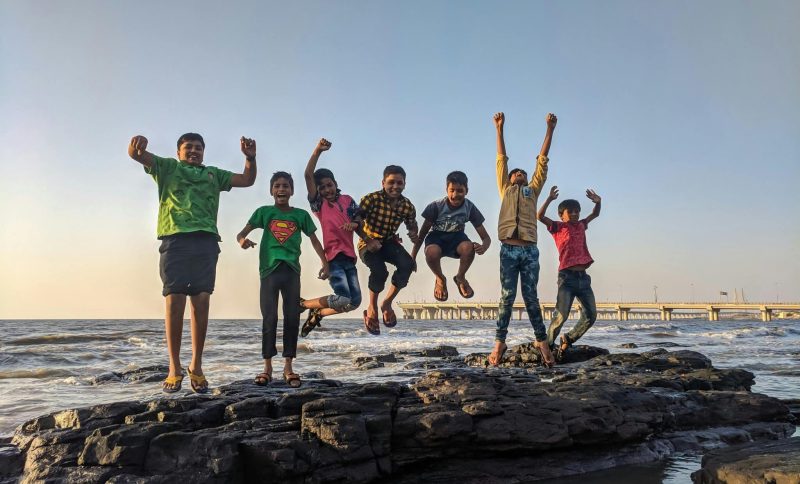
Summer hits differently once kids slide into the tween years. They are not little anymore, but they are not ready to be fully untethered either. Parents feel that tension instantly when school lets out and the long days stretch ahead. The old routines stop working, and the question becomes less about filling time and more about supporting growth without forcing it. Summer can be a pressure cooker or a confidence builder, and the difference usually comes down to how much room tweens get to try on independence while still feeling anchored.
When Summer Stops Being Just About Fun
For younger kids, summer is often simple. There are popsicles, sprinklers, and a general sense that everything is fine as long as everyone is fed and sunburn free. Tweens complicate that picture in ways that can catch parents off guard. They are starting to notice social hierarchies, personal preferences, and the quiet hum of comparison that comes with growing awareness. They may want more freedom one day and more reassurance the next, sometimes within the same afternoon.
This shift is not a problem to solve so much as a phase to recognize. Summer exposes it because there is more unstructured time, fewer guardrails, and less distraction from internal thoughts. A tween who breezed through camp at age eight might suddenly hesitate at ten, not because something is wrong, but because their inner world has gotten louder. Parents who understand this tend to focus less on packing the calendar and more on choosing experiences that respect where their child actually is.
Why Choice Matters More Than Ever
One of the biggest mistakes adults make with tweens is assuming they want what they wanted at that age. The truth is that today’s tweens are navigating a far more layered social landscape, and they crave agency even when they are unsure how to use it. Giving them real choices about summer activities can feel risky, especially if it means saying no to something that looks impressive on paper. Yet that sense of ownership often determines whether an experience builds confidence or chips away at it.
Choice does not mean handing over the keys and walking away. It means involving tweens in conversations about what excites them, what makes them nervous, and what feels like too much right now. When kids feel heard, they are more likely to stretch themselves voluntarily. Summer then becomes a testing ground for decision making rather than a series of obligations imposed from above.
Rethinking the Role of Summer Camps

Summer camps still hold a powerful place in the cultural imagination, and for good reason. They can offer friendship, skill building, and a break from screens that many families welcome. What matters is not whether a child goes to camp, but which environment fits their temperament and needs. The old binary of sleepaway versus day camp no longer captures the range of options available.
Some tweens thrive in smaller, interest based programs where they can ease into social connections. Others want the full immersion of a traditional camp experience, complete with cabins and campfires. Location can also play a role, especially for families weighing options across cities or regions. Programs in Nashville, Richmond, Oakland summer camps, wherever you’re located all reflect different cultural flavors and expectations, which can subtly shape how a tween experiences belonging. The key is matching the setting to the child, not the other way around.
The Importance of Emotional Safety
As tweens grow, emotional safety becomes just as important as physical safety, even if it is harder to define. Kids at this age are learning how to regulate feelings that can be intense and confusing. Summer activities that acknowledge this reality tend to be more successful than those that push toughness or constant enthusiasm. A child who knows they can take a breather, ask for help, or opt out of an activity without shame is more likely to engage fully over time.
This is where the concept of comfort kids quietly shapes better experiences, even if no one names it out loud. It is not about coddling or lowering expectations. It is about recognizing that feeling secure allows kids to take real risks. When tweens trust that adults have their backs, they are more willing to try new things, whether that is joining a group game or speaking up in a workshop. Emotional safety becomes the launchpad, not the limitation.
Balancing Structure and Downtime
Another overlooked piece of the summer puzzle is downtime. Parents often feel pressure to keep tweens busy, worried that idle hours will lead to boredom or screen overload. While structure has its place, overscheduling can backfire, leaving kids exhausted and irritable. Tweens need space to decompress, reflect, and follow their own interests without constant adult direction.
This does not mean letting days dissolve into chaos. It means being intentional about pacing. A few anchor activities each week can provide rhythm, while open afternoons allow creativity to surface. Many tweens use this unstructured time to experiment with hobbies, deepen friendships, or simply rest in ways that school does not always allow. Those moments often become the memories they carry forward.
What Parents Notice When It Works
When summer choices align with a tween’s readiness, parents tend to notice subtle but meaningful changes. Kids may speak more confidently about their preferences or show pride in handling a challenge on their own. There is often less resistance around transitions, even when something feels hard. These shifts are easy to miss if adults are only looking for big milestones, but they add up over time.
Parents also report feeling less tense themselves. When the goal shifts from curating the perfect summer to supporting a child’s growth, there is room for flexibility and grace. That mindset can turn inevitable hiccups into learning moments rather than sources of stress.
A Season That Shapes What Comes Next
Summer has a way of setting the tone for the year ahead, especially for tweens standing on the edge of adolescence. The experiences they have, and the choices they are allowed to make, can influence how they see themselves when school resumes. A summer that honors independence while preserving connection gives kids a foundation they can build on long after the last day of camp or the final lazy afternoon at home.
Where Summer Confidence Actually Comes From
The most successful summers for tweens are rarely the most packed or the most polished. They are the ones where kids feel respected, supported, and trusted to grow at their own pace. Independence does not arrive all at once, and it does not need to. It unfolds through small decisions, manageable challenges, and the steady knowledge that someone is paying attention. That combination, more than any single activity, is what helps tweens step into the next season of their lives with confidence.