Pleasures of life come through food. As a person who loves cooking at home and/or preparing food for your buddies during the week, you will find that how you package and store food is quite important to the outcome of the food you prepare.
Proper packaging will keep food fresh and prevent spills, ensuring that what you prepare is not wasted. If you seal your food properly, the taste will be similar to what you prepared, regardless of whether it was hours or days before.
Choose the Right Materials
The first piece you need to take care of when it comes to proper storage is to select the right food storage container. Not all materials are the same.
Generally, plastic is lighter and does not break as easily, but you need to ensure that the plastic you use is BPA-free and food-safe. A great alternative option is to use glass as it does not absorb odours or stains from products such as strong tomato sauce, and can easily be cleaned.
Additionally, some materials are superior to others, but using paper for packaging/storing dry food products (i.e., bread or pastries) may be better than using plastic.
An example would be bagels – wrapping fresh bagels with custom bagel paper provides moisture control and keeps the crust on your bagels soft. Using paper allows the product to “breathe” and is extremely important for culturing baked goods after they have begun the baking process.
Temperature Control is Key

Fresh food has a hard time when exposed to heat. If you put hot food in a container with no air flow, steam will build up inside the container. It creates water vapour, which will create pockets of water droplets that cause your food to become soggy.
Also, create an environment where bacteria can grow. Therefore, always allow your meals to cool to room temperature before sealing them. When sending food to friends or customers, think about the temperature the food will be travelling through.
High quality Boxes For Product provide an insulating and protective layer from the outside temperature. If your food must remain cold, you should use either gel packs or insulated bags inside your shipping box to ensure that the temperature is maintained until your food reaches its final destination.
Preventing Leaks and Spills
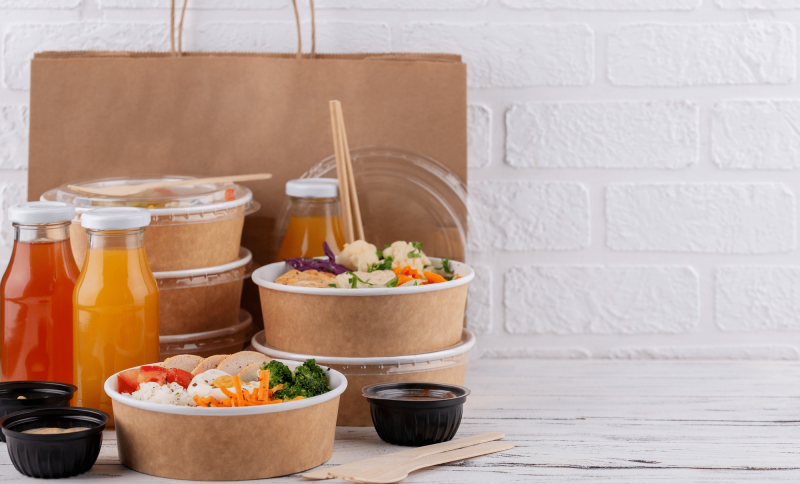
The worst thing you can do when preparing meals for yourself or for others is to open up a bag to find that there is sauce all over the place. To avoid this, always use containers with silicone seal lids.
If you are using basic food storage containers, put a layer of plastic wrap over the top before snapping down the lid. This creates two layers of protection from spillage. In cases of liquid-based foods, such as soups, it is best to use upright jars with metal lids.
Organizing Your Pantry and Fridge
In addition to helping with your organization, packing properly can also save you a lot of money. Using clear boxes allows you to see what you have and, therefore, not buy duplicates. By doing so, you are reducing food waste and conserving resources.
Create a label system to include a date so you will know the date you packed your food. Just because something is packaged well does not mean that it will be good forever. The date on your label is helpful in providing safety information related to your food.
To help you with additional kitchen organisation and meal preparation tips, refer to one of our many recipe guides. Following a system can help to reduce the stress associated with cooking.
Environmental Impact
More and more people are finding ways to be more eco-friendly with their food-related behaviours. For example, instead of using single-use plastic wraps, consider using beeswax.
Beewax wraps are a reusable alternative that works very well for wrapping food (e.g., sandwiches or covering a bowl). Another great way to help the environment is to reuse containers that you already have. While recycling is great for the environment, reusing containers is even better!
The Environmental Protection Agency (EPA) maintains an extensive online database with information about waste management and sustainability efforts that can be useful to anyone interested in learning how packaging impacts the environment.
Aesthetics Matter
How packaging looks can greatly impact how people perceive that food. So sometimes a little something extra, like tying a ribbon around a box of cookies or including an encouraging note along with your gift, can really make a difference to those receiving your meals.
Even something as simple as using a plain cardboard box with no additional decorations will have a more professional appeal when it is clean, and the food is all properly proportioned to each other inside the box.
Final Thoughts
In summary, great food packaging comes down to finding the right balance between protecting food’s flavor and texture while maintaining a safe temperature when being prepared and placed into appropriate containers.
When selecting your packaging materials and taking the time necessary to carefully package your food items before giving them to another person, you can enjoy your favorite meal at home, work, or anywhere else.
Remember that the last step of preparing food is to store it properly! Treat it as you would treat the ingredients; your taste buds will appreciate it.