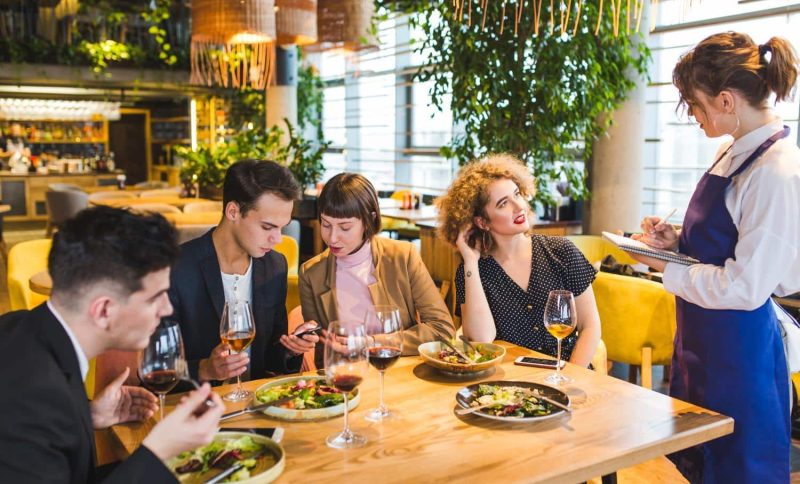
Every city has them, those places that don’t just serve food, but somehow become part of the local identity. They’re not always the newest or the most polished. They don’t rely on trends or constant reinvention. Yet over time, they earn something far more valuable than attention: they earn loyalty.
These are the spots people recommend without hesitation. The ones that come up in conversation when someone asks, “Where should we go?” And while it might seem like their success is effortless, there are usually a few consistent reasons why certain places evolve into local legends while others fade into the background.
It Starts With Consistency
At the core of every long-standing food spot is consistency. Not just in flavour, but in the entire experience.
The food tastes the way you remember it. The portions feel familiar. The atmosphere doesn’t shift dramatically from one visit to the next. This reliability creates a kind of trust between the place and its customers.
In a world where dining trends change quickly, consistency becomes a quiet advantage. People know what they’re going to get, and more importantly, they know they’ll enjoy it. That predictability turns occasional visits into habits, and habits into loyalty.
Familiarity Over Novelty
While some restaurants thrive on innovation, local favourites often succeed by doing the opposite. They focus on what works and refine it over time rather than constantly changing direction.
Menus in these places tend to be focused. You won’t find endless options or experimental combinations designed to stand out. Instead, you’ll find dishes that have been shaped by feedback, adjusted over time, and ultimately perfected through repetition.
This doesn’t mean the food is boring. It means it’s intentional.
There’s a comfort in ordering something you’ve had before and knowing it will meet your expectations. That sense of familiarity is a big part of why people keep coming back.
Atmosphere That Feels Natural
Food is only part of the experience. The environment matters just as much.
Local legends tend to have an atmosphere that feels unforced. Whether it’s a casual pub, a diner, or a neighbourhood restaurant, the space is designed for comfort rather than impression. People settle in easily, conversations flow, and there’s no pressure to rush.
These places often become extensions of everyday life. They’re where people meet after work, celebrate small moments, or simply unwind. Over time, the atmosphere becomes just as recognisable as the menu.
A Connection to the Community

What truly separates a popular spot from a local legend is its relationship with the community.
These places don’t operate in isolation. They’re part of the neighbourhood, shaped by the people who visit them regularly. Staff often recognise returning customers. Conversations feel familiar. There’s a sense that the place belongs to the community as much as it belongs to the owner.
In cities like Saginaw, this connection is especially visible. When people talk about the best restaurants in saginaw michigan, they’re often referring not just to the food, but to places that have become part of their routine, spots where the experience goes beyond what’s on the plate.
The Role of Simplicity
Another common thread is simplicity. Not in a limited or basic sense, but in a focused one.
Successful local spots don’t try to do everything. They do a few things well and stick to them. Whether it’s a standout burger, a reliable set of comfort food classics, or a menu built around shareable dishes, the emphasis is on execution rather than variety.
This approach reduces complexity in the kitchen and allows for greater consistency. It also makes the experience easier for customers, there’s less decision fatigue and more confidence in the outcome.
Time as a Factor
Becoming a local legend doesn’t happen overnight. Time plays a crucial role.
Places that endure long enough to become part of a city’s identity usually do so because they’ve adapted without losing their core appeal. They might update certain elements, refresh a space, adjust a menu, but they do it in a way that preserves what made them successful in the first place.
Over time, this creates a layered experience. New customers discover the place, while long-time visitors carry memories that add depth to each return visit.
Why People Keep Coming Back
When you break it down, the reasons people return to the same place aren’t complicated. It’s rarely about finding something new. It’s about finding something that works, something that fits easily into their routine and delivers a consistent experience.
There’s also an emotional element. Familiar places often become tied to specific moments, celebrations, conversations, or simply regular visits that build over time. That emotional connection is difficult to replicate and even harder to replace.
A Broader Perspective on Local Dining
From a wider viewpoint, the success of these places reflects a broader trend in how people approach dining. According to the National Restaurant Association, consumers increasingly value reliability, comfort, and familiarity alongside quality, particularly in local and independent establishments.
This helps explain why smaller, community-focused venues continue to thrive even as larger, trend-driven concepts come and go. They’re not competing on novelty, they’re competing on experience.
What This Means for Food Lovers
For anyone exploring a new city, the takeaway is simple: look beyond the obvious.
Local legends aren’t always the most visible or heavily promoted. They’re often the places that feel busy without trying, the ones people mention casually rather than enthusiastically pitching.
Finding them requires a different approach, one that values observation over research and experience over expectation.
The Kind of Places That Last
In the end, what makes a food spot stick isn’t a single factor. It’s a combination of consistency, familiarity, atmosphere, and connection. It’s about creating a space where people feel comfortable returning, again and again.
Trends may shape the broader food landscape, but local legends operate on a different timeline. They build slowly, strengthen over time, and become part of the everyday fabric of a city.
And once they reach that point, they’re no longer just places to eat, they’re places people rely on.