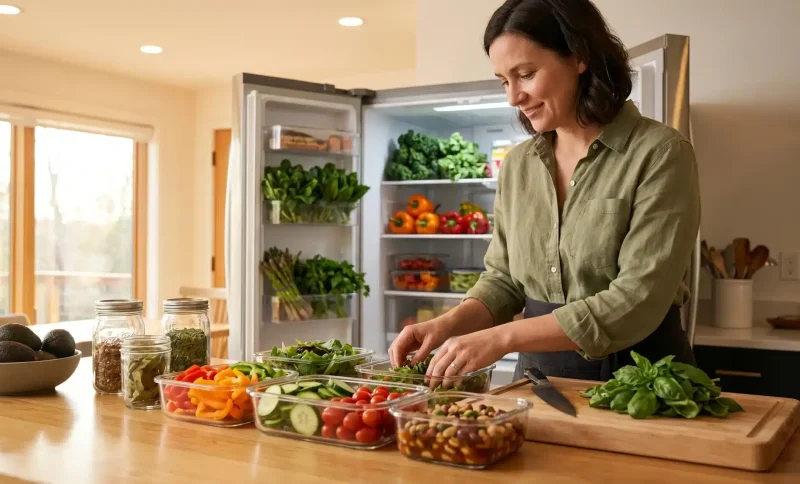
Grocery shopping with a plan feels great, until Thursday hits. Suddenly, half the produce is limp, last Sunday’s chicken is still lurking in the fridge, and nobody can recall what those bell peppers were for. The issue isn’t bad intentions. Life gets chaotic, ingredients get lost, and meal prep just collapses when food doesn’t stay fresh long enough to use it.
A freshness routine is just a set of habits that keeps ingredients visible, usable, and ready to cook all week. No need for fancy containers or endless kitchen makeovers. It’s more about checking what needs using first, storing foods smartly by type, and doing a quick reset twice a week so nothing gets lost or wasted.
Once these steps become second nature, meal prep stops feeling random. We waste less, cook with more confidence, and actually enjoy the groceries we bought.
Key Takeaways
- Check what needs using first before planning or prepping anything new
- Store food by type and freshness level instead of stuffing items wherever they fit
- Reset your fridge twice a week and prep as needed to keep ingredients visible and usable
Start With a Weekly “Use First” Check Before You Prep Anything
Before you grab the cutting board or turn on the stove, just spend five minutes looking through the fridge. No deep cleaning, just a quick scan of shelves, produce drawers, and the freezer to spot what needs attention.
Look for wilting herbs, soft berries, greens on their last legs, leftover rice from Tuesday, that half-eaten turkey, or the hummus hiding in the back.
Sort everything into three groups:
- Use now – anything that won’t survive until next weekend
- Prep for later this week – still-fresh items that should be washed, chopped, or portioned soon
- Freeze or repurpose – bread going stale, overripe bananas, cooked chicken that won’t get eaten in time
This habit keeps us from prepping duplicate meals when there’s already cooked grains waiting. It saves us from buying more spinach when last week’s bag is still in the fridge.
Starting with what we have makes meal prep more efficient and less wasteful. We plan around real inventory, not guesses. That’s what actually helps busy families stick with it.

Prep in Smaller Amounts So Food Stays Realistic for Family Life
We’ve all over-prepped on Sunday, only to find limp greens and rubbery chicken by Thursday. Nobody wants to eat the same sad meal four days in a row.
Instead of cooking huge batches, try prepping flexible building blocks: washed lettuce, chopped veggies, cooked quinoa or rice, and one good sauce. These stay fresh longer and let you mix things up as the week goes on.
Core prep items that actually work:
- Washed and dried greens
- Chopped raw veggies (carrots, peppers, cucumbers)
- Cooked grains or pasta
- One seasoned protein
- A versatile dressing or sauce
This keeps food fresher and removes the pressure to stick to a rigid meal plan. Prepping in smaller amounts means you’re not stuck eating identical lunches all week.
Honestly, most families find it easier to split prep into two quick sessions, maybe an hour on Sunday and another on Wednesday night. It’s way more manageable and keeps ingredients at their best.
Match your prep routine to how your family actually eats, not the “perfect” meal prep you saw online. Real life isn’t that tidy.
Store by Food Type, Not Just by Shelf Space
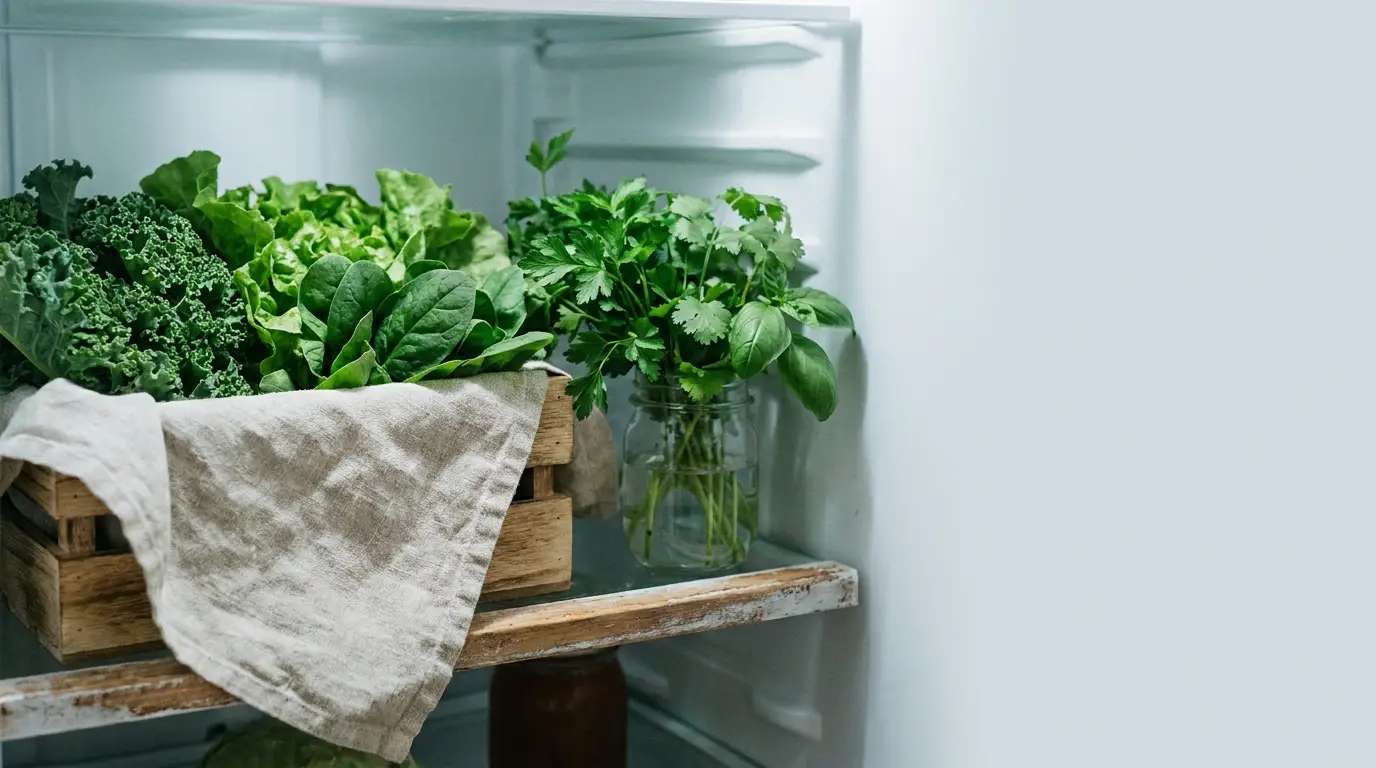
If we organize by whatever fits, we miss the chance to keep food fresh longer. Different foods need different conditions to stay crisp and tasty.
Leafy greens last longer with a bit of airflow and low moisture. Wrap them loosely in a clean towel inside a container. Herbs like a little humidity, stand them in a glass of water or wrap in a damp paper towel.
Leftovers belong in shallow, clear containers at eye level so you actually see and eat them. Chopped veggies need airtight containers with labels for what’s inside and when you prepped them.
| Food Type | Best Storage Method |
| Leafy greens | Loose wrap, low moisture |
| Fresh herbs | Light moisture or water glass |
| Leftovers | Shallow, visible containers |
| Chopped ingredients | Sealed, labeled, dated |
| Pantry staples | Dry, airtight containers |
Pantry staples like rice, flour, and oats do best in dry, sealed containers, away from heat and light.
Visibility is everything. If we hide ingredients in the back, they vanish from our meal plans. When storage matches how we actually cook and snack, grabbing what we need gets way easier.
When Airtight Vacuum Storage Makes Freshness Easier
Airtight vacuum storage can transform your meal prep routine. By removing air and creating a tight seal, food stays fresher for much longer, reducing waste, cutting down on last-minute grocery runs, and giving you more flexibility throughout the week.
Chopped vegetables stay crisp, cooked grains retain their texture, and proteins keep their flavor without picking up fridge odors.
For busy families looking to simplify cooking and storage routines, using the best compact vacuum sealer for food is one of the smartest upgrades you can make. It’s small enough for everyday kitchen use yet powerful enough to dramatically extend freshness and make batch cooking reliable.
Here’s how compact vacuum storage helps daily life:
- Batch cooking becomes practical — Seal full meals or portions in bags or containers and enjoy them fresh all week long.
- Mornings run smoother — Grab pre-portioned breakfasts that taste just as good as the day you made them.
- Snacks stay appealing — Nuts, crackers, dried fruit, and cut produce stay crunchy and fresh between uses.
- Leftovers actually get eaten — Vacuum-sealed portions look and taste better, so nothing gets pushed to the back of the fridge and forgotten.
Pair your compact vacuum sealer with clear vacuum bags, and you’ll instantly see what you have, no more duplicate purchases or hidden expired food.
One simple habit delivers real time savings: chop onions once and vacuum-seal them for the whole week, or cook a big batch of rice and keep it fresh and flavorful for multiple meals.
You don’t need bulky equipment, a compact vacuum sealer fits neatly on your counter and makes meal prep less stressful and far more dependable.
Label, Rotate, and Create a Simple “Eat Next” System
Forget fancy labels and color codes. A piece of masking tape with the date and contents works every time.
The real trick? Make an “eat next” zone in your fridge. This spot is for anything that needs to get used soon: leftovers, prepped ingredients nearing their prime, or perfect-ripe produce.
What goes in the eat next zone:
- Leftover proteins and grains
- Chopped veggies that need using in 2-3 days
- Fruits at peak ripeness
- Any containers you prepped earlier in the week
Put this zone at eye level where everyone sees it. When the kids open the fridge or you’re in a rush for lunch, the answer’s right there.
This takes the guesswork out of what to eat first. No more staring at the fridge, wondering what’s oldest. Family members can grab what they need, and you stop finding science experiments in the back corner.
Just keep putting newer items behind older ones. It’s not complicated, but it keeps food moving instead of getting lost.
Build a Twice-a-Week Freshness Reset Instead of Relying on One Big Prep Day
A freshness routine doesn’t have to happen all at once. Breaking it into two resets each week keeps food usable without turning meal prep into a weekend slog.
The first reset is right after grocery shopping. Unpack, wash greens, prep a few veggies, and move older stuff to the front. Fifteen minutes, tops, and you’re set for the week.
The second reset is midweek—Wednesday or Thursday, usually. This is when you rescue anything fading fast. Chop and freeze wilting herbs. Toss extra veggies into soup or wraps. Leftover proteins? Omelets or grain bowls, done.
Each reset looks like this:
- Check what’s left in the fridge and pantry
- Repurpose ingredients before they spoil
- Wash and restock produce bins
- Move older items forward for easy access
Consistency beats perfection, honestly. Two quick check-ins prevent waste way better than one huge Sunday session that fizzles out by Tuesday. The goal isn’t a magazine-ready fridge. It’s a kitchen that works when you’re tired, hungry, and just need dinner fast.
Final Thoughts
Building a freshness routine isn’t about overhauling your kitchen or spending hours every Sunday. It’s finding small, repeatable habits that keep food fresh and make meal prep less of a slog.
Focus on freshness first and everything else falls into place. Food lasts longer. Less waste. Meals come together faster because you’re not tossing wilted greens or poking at mystery containers in the fridge.
Start with these three habits:
- Store herbs and leafy greens right after shopping
- Label containers with dates so nothing gets forgotten
- Do a quick fridge check twice a week to use up what needs eating first
The real win? A freshness routine saves time and money, and makes weeknight cooking actually doable. No more last-minute grocery runs because the broccoli turned to mush or the chicken disappeared under a pile of leftovers.
Once these habits stick, you’ll have more energy for cooking and less stress about dinner. That’s what matters. Fresh food, less waste, and more time at the table together instead of scrambling for something edible.
Frequently Asked Questions
These questions cover the weekly habits that protect freshness, the organizing tricks that prevent hidden spoilage, the timing for prepping different ingredients, the containers worth keeping, the meal planning approach that cuts waste, and the leftover systems that actually work.
What Are the Simplest Weekly Habits That Keep Fridge Food Fresh So Family Dinners Are Easier to Pull Together?
Twice a week, do a five-minute fridge check. Move older items to the front, spot anything that needs using soon, date leftovers, and keep a visible “use first” bin at eye level.
How Should I Organize My Fridge and Pantry So Older Items Get Used First and Nothing Gets Lost?
Group similar foods together in clear bins so everything is easy to see. Keep everyday essentials front and centre, and create one zone for opened items or foods that need to be eaten soon.
How Can I Plan Meals That Share Ingredients So I Waste Less Without Getting Bored?
Choose ingredients that can work across several meals. Spinach can go into salad, pasta, and eggs. Use delicate produce early in the week and save sturdier ingredients like potatoes or cabbage for later.
What Is a Realistic Routine for Checking Leftovers and Using Them Up?
Try to eat leftovers within three days. If that seems unlikely, freeze them in single portions. It saves time later and keeps dinner from turning into a fridge archaeology project.