

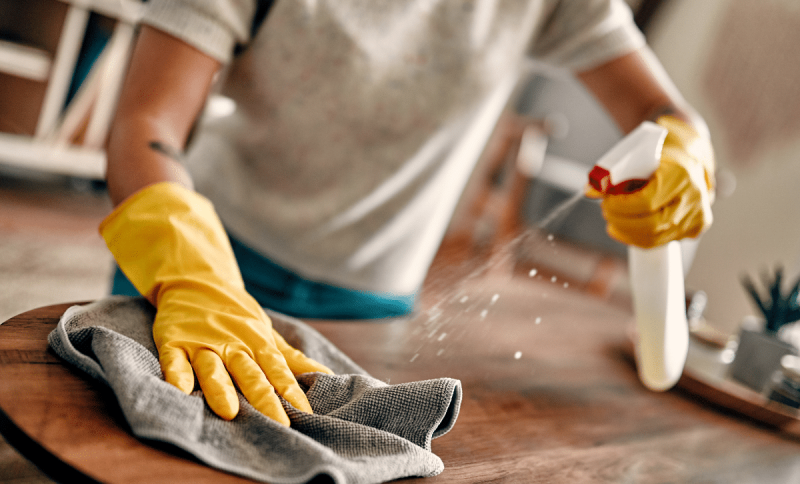
Cleanliness beats customer service as the number one reason people say they won’t go back to a restaurant. Not slow service nor overpriced food. A dirty space.
The reason comes down to trust. When a restaurant feels unclean, it makes them question everything. If the dining room looks neglected, what does the kitchen look like? Are the same standards being applied to food safety?
So what does proper restaurant cleaning actually do for your brand, and where does it matter most? Let’s get into it.
A Clean Restaurant Is a Restaurant People Trust
Research published in the International Journal of Hospitality Management found that cleanliness factors influence both customer satisfaction and the likelihood of a return visit. This includes:
- Staff hygiene
- Condition of the dining area
- Restroom upkeep
What makes this particularly interesting is how customers form these impressions. Studies show that diners evaluate restaurants using visible cleanliness cues like how staff are presented or what the restrooms look like.
They use those to connect the dots between what they can see and what they can’t. A spotless front of house tells them the kitchen is probably clean too. A dirty one tells them the opposite.
In fact, the reputational damage from perceived hygiene failures can linger long after the issue is resolved, much like the lasting impact food recalls have on restaurants that have faced public safety concerns. Trust, once lost, takes a long time to rebuild.
The Spots in Your Restaurant That Customers Notice Most
You might assume customers focus on the dining area and leave it at that. But they’re taking in a lot more than you’d think, and some of it might surprise you.
Here’s a quick restaurant cleaning checklist for you:
The Dining Area
Tables, chairs, floors, and windows are all in plain sight, and customers are touching them throughout their visit. For full-service restaurants, tables, seats, and tableware make up 50% of all cleanliness-related complaints, with an average star rating of just 1.8 when these are flagged as dirty.
The Restrooms
Restrooms are arguably the most telling spot in the entire building. Research shows that 86% of U.S. adults evaluate a restaurant’s kitchen cleanliness based on the appearance of its restrooms. Your bathroom is essentially a proxy for your kitchen in the minds of your customers.
The Restaurant Kitchen
Most customers never set foot in a commercial kitchen, but that doesn’t mean it’s out of sight, out of mind. Health inspection scores are publicly accessible in most U.S. states and actively looked up by diners before they visit or after they’ve had a bad experience.
The Front of House
Your entrance, host station, menus, and waiting area are the very first things guests experience. If these areas feel overlooked, the visit starts on a sour note before anyone has even been seated.
Just as good kitchen habits and hygiene practices are fundamental to preparing great food, the same level of care applied to your front of house sets the tone for everything that follows.
Regular Cleaning vs. Commercial Restaurant Cleaning: What’s the Difference?

Daily staff cleaning is essential and non-negotiable. Wiping down tables between guests, mopping floors at the end of service, sanitizing high-touch surfaces throughout the day—all of that matters.
But there’s a ceiling to what your team can realistically handle, especially during busy periods.
That’s where professional restaurant cleaning services come in. Commercial cleaners bring the right equipment, the right chemicals, and the expertise to get to the areas your team doesn’t have time for. They work on a deeper level and follow the best practices of maintaining a clean restaurant according to industry standards.
The investment is also easier to justify. When you consider the cost of a failed health inspection, a viral negative review, or even a foodborne illness incident, the regular cost of professional cleaning is minimal by comparison.
Build an Effective Cleaning Routine With These Easy Habits
A few consistent daily habits can make a significant difference in how your restaurant looks and feels on any given day, and they don’t require a major overhaul to implement.
Here are five simple habits worth building into your team’s routine starting today.
- End every shift with a reset. Before your team clocks out, build in a structured end-of-shift cleaning routine. Tables wiped, floors mopped, surfaces sanitized, and food stations properly broken down and cleaned. It takes an extra few minutes, but it means your opening team walks into a fresh start rather than last night’s mess.
- Sanitize high-touch surfaces throughout the day, not just at close. Key areas like door handles, menus, POS screens, condiment stations, and host stands are touched constantly during service. Assign someone to run through these regularly throughout the day. It only takes seconds.
- Assign responsibilities to your staff. Vague cleaning responsibilities lead to things falling through the cracks. Every area of your restaurant should have a clearly assigned person responsible for it during every shift. \
- Do a walk-through before service. A quick five-minute sweep before doors open lets you catch anything that was missed in daily cleaning. Catching it before a customer does is always the better outcome.
- Check the restrooms on a schedule throughout the day. Restrooms should be refreshed at regular intervals during open hours. Given how heavily restroom sanitation influences overall customer perception, they deserve consistent attention from open to close. A quick log sheet posted inside the door keeps your team accountable and shows customers that you take it seriously.
Frequently Asked Questions
Why is cleanliness important in restaurants?
Cleanliness is important in restaurants because it directly affects customer health, trust, and satisfaction. A clean environment prevents cross-contamination, reduces the risk of foodborne illness, keeps you compliant with health regulations, and signals to customers that your business is well-run and cares about their experience.
How does hygiene affect the image of a business?
A clean, well-maintained space builds trust between the staff and guests and communicates professionalism, attention to detail, and genuine care for the customer experience. On the flip side, a space that feels dirty or neglected raises immediate doubts about food safety, staff standards, and overall quality, regardless of how good the food actually is.
How often should a restaurant be professionally cleaned?
Most establishments benefit from professional deep cleaning at least once or twice a month for the kitchen and back-of-house areas. High-traffic spaces like dining rooms, restrooms, and entryways may need more frequent attention.
What areas do customers complain about most when it comes to hygiene?
According to restaurant review data, tables, seats, and tableware are the largest sources of cleanliness complaints in full-service restaurants. Restrooms are also a major pain point, and as mentioned earlier, customers often use restroom cleanliness as a proxy for how clean the kitchen is.
What cleaning tasks should I assign to my staff?
A good rule of thumb is to divide staff cleaning responsibilities into three categories: during service, end of shift, and weekly maintenance.
During service, staff should be wiping down tables and chairs, and checking and restocking restrooms on a regular schedule. At the end of every shift, responsibilities should include mopping floors, cleaning and sanitizing food prep surfaces, cleaning kitchen stations, and doing a full restroom clean. Every week, staff can take on tasks like cleaning behind and underneath equipment, and descaling coffee machines and other appliance buildup.
What You Clean Today Is What Customers Remember Tomorrow
Cleanliness isn’t a one-time project or a box to check before a health inspection. It’s a comprehensive commitment that touches every part of your operation, from the disinfectant your team uses to the condition of the chair a customer sits in.
The risk of contamination doesn’t just pose a health risk. It poses a brand risk. One failed inspection, one viral photo, or one hygiene complaint left unaddressed is enough to undo months of hard work building a reputation customers trust.
Keep safety and hygiene a priority and single-handedly boost your overall dining experience.


