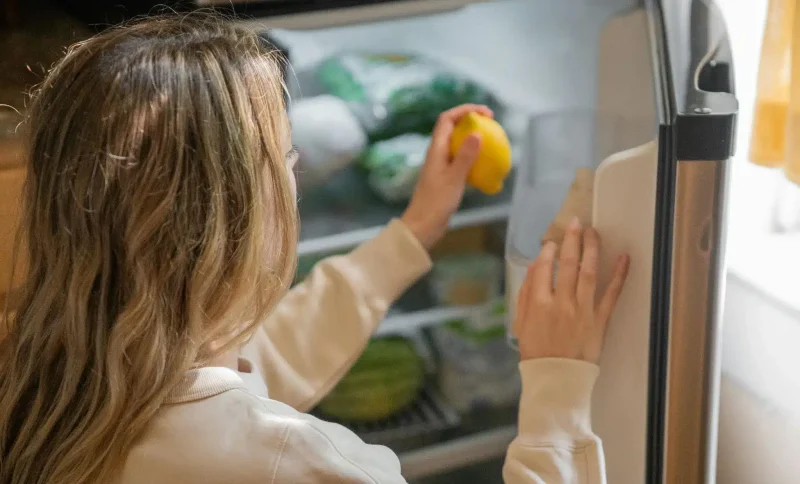
The way you organise your fridge will tell a lot about your meal preparation effectiveness. Things get left behind when you cannot find what you need and when everything is scattered. It means you buy something that you do not need anymore because you forgot it existed, or you buy something because you lost its container somewhere inside the fridge.
The best part? It is not too hard to organise.
Build Around Zones Rather Than Shelves
Most of the time, we end up putting our supplies in any empty space available. This may seem like an easy solution at first, but it only adds to our confusion later. Using a zone concept is far easier than that; all you need to do is choose the designated areas for each type of food item and stick to them.
All meat products must be stored at the bottom. Cooked items such as dairy and eggs should be stored in the middle, as that section of the fridge will remain constant in temperature. Your vegetable items are better suited to the crisper drawer.
After creating the necessary zones in the refrigerator, you’ll see a drastic improvement in efficiency.
Store Ready-To-Eat Foods in Clear Sight
Once a container is stored behind another, it will most likely remain there. When it finally gets discovered, the food is already spoiled, and it gets discarded into the trash.
Have your ready-to-eat foods visible and easily accessible by storing them on the middle shelf: portioned meat, prepared grains, sliced vegetables, and sauces. Always store them in transparent containers where their contents will be easily visible without having to open any container. An opaque container is better labelled than not labelled at all since it requires you to stop and read the labels.
Date each container after preparing the food before storing it in the refrigerator. It will take just a second of your time and will save you a lot of effort during the week.
Choose Containers That Suit the Space
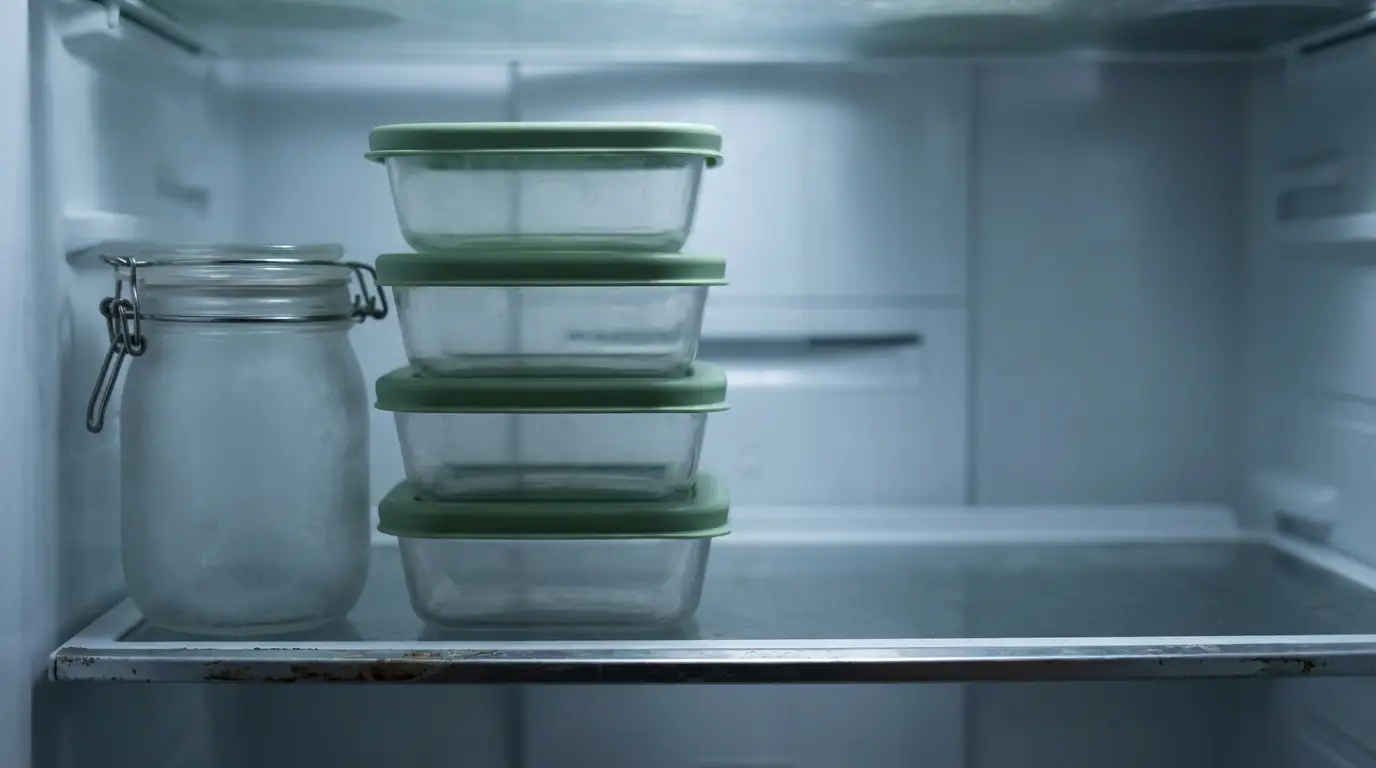
Round containers waste more fridge space than you would think. Rectangular airtight containers are a much better option. They stack neatly, fit shelves properly, and keep food from drying out.
For kitchens handling bigger prep volumes, the container choice also depends on how your cold storage is set up. Some kitchens use a dedicated prep fridge alongside a separate freezer, while others rely on upright combos that combine both fridge and freezer in one unit. That changes how you organise containers across both sections.
Glass containers are worth considering for anything going straight into the microwave or oven. They last longer than plastic and do not hold onto food smells over time. For the freezer, bags or flat containers stored flat take up a lot less room once everything is frozen solid.
One more thing: do not fill containers right to the top. Cold air needs space to move around the food to keep it fresh.
Know Where Your Fridge Runs Warm and Cool
The temperature inside your fridge is not the same everywhere, and it is worth knowing the difference.
The door gets the most warm air every time it opens, so it is the warmest spot in the unit. That makes it fine for condiments and things with a longer shelf life, but not great for milk or eggs. Those do better on a middle shelf where the temperature stays much steadier.
Raw meat and fish belong at the back of the bottom shelf. That is where it stays coldest, and keeping them there also means any drips cannot reach other food.
If things seem to be going off faster than they should, a basic fridge thermometer is a cheap and easy way to check whether the unit is actually holding the right temperature.
Think About Whether You Need More Refrigeration Space
Good organisation helps, but it only goes so far. If you are regularly cooking in large batches and always running out of room, the fridge might just not be big enough for what your kitchen needs.
Some kitchens solve this by adding a second unit out the back, in a storeroom, or in a garage. Whether you go for a standalone fridge, a chest freezer, or something else really comes down to how much of each type of storage your kitchen actually gets through in a week.
Make the Most of Your Freezer
A freezer that gets used properly can stretch one cook session across several weeks. Soups, stews, cooked proteins, and batch breakfast items like muffins or egg bites all freeze well and heat up quickly when you need them.
Label everything with what it is and when it was made. Put newer items at the back so older stock gets used first. Flat freezer bags take up far less space than bulky containers once everything is frozen.
Treat the freezer the same way you treat the fridge. Keep it organised, and it actually works for you rather than just being where things get buried and forgotten.
Tidy the Fridge Before Prep, Not After
Most people clean out the fridge after cooking. Doing it before is much more useful.
A quick check before each prep session shows you exactly what is already there and what needs to be used up soon. Check anything close to its use-by date and work those ingredients into the day’s prep first. Wipe down any shelves that need it and bring containers that need using to the front.
The whole thing takes about five minutes. It cuts down on food waste and stops you ordering or buying things you already have sitting in the fridge.
Conclusion
Organising your fridge is not about creating it anew. It’s about maintaining zones, using appropriate containers, labelling everything with dates, and quickly cleaning up prior to your cooking.