





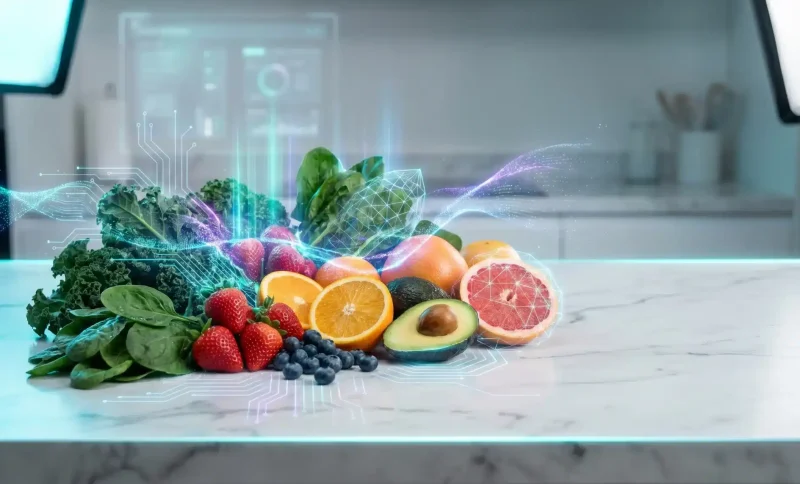
The food nutrition industry is going through a major shift. It is moving from one-size-fits-all dieting to personalized nutrition with the support of Artificial Intelligence.
AI is no longer a buzzword or a luxury, but it is enabling real-time dietary assessments, creating and adapting meal plans based on user preferences and their metabolic responses.
From AI image recognition to chatbots, technology is making healthy eating more accessible and effortless than ever.
But all this depends on a reliable internet provider. This is because high speed and stable connectivity are the backbone of smart nutrition; if it is uninterrupted, it can lead to a sustainable lifestyle, which improves long-term health outcomes and high success rates in achieving health goals.
Moving on, in this article, we will explore how AI and tech are revolutionizing the nutrition industry. We will explore AI-powered cloud-based tools, applications, and IoT gadgets, and how they are helping users to design personalized food plans.
AI Tools That Help Manage Daily Nutrition
AI tools like ChatGPT, Gemini, and Claude can help users with food and nutrition. They offer personalized meal plans, analyze foods’ nutritional content, and suggest personalized recipes according to user health.
These tools almost share the same functionalities, but each of them has its unique strength. Such as:
ChatGPT
ChatGPT can help in meal planning and recipe generation. It can create comprehensive, customized weekly meal plans according to your needs and preferences.
For example, users can specify their preferences by writing a prompt: “make a customized diet plan for me, including high protein, gluten-free, and low-carb meals.” The tool will then generate a one-week plan including breakfast, lunch, dinner, and even snacks.
According to our research, many people also use it for recipe generation and modification. For example, if you need a recipe, you can ask ChatGPT to generate step-by-step instructions. If that recipe calls for an ingredient you lack, you can even ask for a substitute, such as “substitute for sour cream.”
Gemini
When you have Gemini, you do not need a nutritionist, since it acts as your personal nutritionist that operates around the clock.
One of the most popular features that it has is image analysis. By uploading a photo of a food, Gemini can analyze the ingredients in it and nutritional facts, and then offer a summary of the health impacts.
It can estimate portion sizes and identify macronutrients like carbs, fats, and proteins, and micro nutrients from a picture so that users can make informed dietary choices.
Claude
One feature of Claude that differentiates it from its competitors is long-form document analysis. Users can upload PDF reports like DEXA scans, food sensitivity tests, and blood work on the application and ask it to summarize findings and suggest a diet plan based on the results.
It is capable of reading long PDFs and extracting key principles, nutritional requirements, and permitted food lists.
Claude acts as a non-judgmental nutritionist coach by using its large context window, multimodal capabilities, and structured reasoning. It bridges the gap between tracking data and changing behavior through actionable, consistent, and personalized insights.
Tracking Nutrition Through Online Apps:
The online food nutrition applications are really very important nowadays; around 51.5% of the smartphone users living in the US have nutrition or diet apps, with approximately 20.1% of users tracking their intake daily.
Many online nutrition apps help users to fight against obesity, track calories, micronutrients, and macronutrients, such as:
Cronometer
Cronometer is a highly accurate health and nutrition app that is known for its micronutrient logging, comprehensive data analysis tools, and lab-verified food database. It allows users to track over 84 nutrients, including minerals and vitamins.
The application operates on a freemium model that offers a functional free version and a paid model called Gold. The gold model removes ads and unlocks advanced and deeper analytics features, and will cost you around $10.99 per month.
Cronometer allows users to create custom food and recipes. The app automatically calculates the total nutrition for recipes, which can also be saved for future use.
Moreover, the Cronometer requires an internet connection to work so that it can sync the data across various devices and update the user’s personal health in real time. For that, reaching out to LocalCableDeals is a very good option, as they have various internet plans and bundle deals that can support the app to work seamlessly.
Moreover, the app can be seamlessly integrated with wearable devices, including Apple Health, Google Fit, or WHOOP. This helps to track their vitals and health conditions and enables them to make a diet plan according to that.
MyFitnessPal
MyFitnessPal is a health and fitness app and website that helps users to monitor their nutrition, diet, and physical activity goals like muscle gain or weight loss. The app was launched in 2005, and it features a database of more than 18 million foods and can be connected to various fitness devices.
MyFitnessPal operates on three basic models: the first is free to use, the second is Premium, which is $79.99/year or $19.99/month, and the last is Premium+, which costs $99.99/year or $24.99/month.
The free model is best for casual users, who just want a basic calorie count. Premium is for users who need a rapid barcode scanner and detailed macro breakdowns. And lastly, the Premium+ is for those who want the app to provide a structured meal plan and shopping list to reduce decision-making time.
One of the key features of the application is its extensive food database and calorie counter. Users can search for foods or use a barcode scanner to scan products for instant nutritional information. It calculates calories consumed and remaining, offering a detailed breakdown of nutrients and vitals.
IoT Devices That Are Helping in Food and Nutrition

Internet of Things devices are advancing food nutrition by allowing improved food safety, personalized insights, and real-time tracking. These technologies range from smart kitchen to wearable devices that help consumers to monitor, manage, and reduce wood wastage, such as:
Smart Refrigerator
Smart refrigerators have integrated health and nutrition management and are transforming how individuals approach dietary goals and meal planning.
They can suggest recipes based on the inventory, as AI analyzes the ingredients available and suggests recipes which reduces wastage of items that are about to expire.
Some fridges also offer a personalized diet plan, for example, Samsung’s Family Hub + and AI Vision Inside allows users to input their preferences and health goals, recommending them healthy recipes on what is currently stored inside the fridge.
Furthermore, internal cameras are also present inside the fridge that allow users to view what’s inside the fridge remotely via a smartphone application. This prevents extra purchases, saves money, and reduces food wastage.
Continuous Glucose Monitors (CGMs)
Continuous Glucose Monitors have been transformed from a diabetes management tool to a central technology in the food and nutrition industry. It is a type of wearable that offers real-time data on how specific foods and eating habits affect an individual’s blood sugar level.
One of its key advantages is that users can observe their real-time sugar spikes after the food they have consumed. This allows them to identify what food they need to skip or reduce.
Platforms like NutriScience and Levels Health combine CGM data with food logs that allow users to instantly see their metabolic consequences according to the food they have consumed. This offers detailed feedback rather than normal diet trackers.
Smart Ovens and Cookers
Smart ovens and cookers are evolving the food and nutrition industry by acting as intelligent chefs that combine sensors, Wi-Fi connectivity, and cameras to make cooking more precise, healthy, and consistent.
In simple words, these appliances can be connected with the smartphone and allow you to monitor and control the cooking remotely, and users can even automatically adjust time and temperature remotely for the perfect result.
Final Thoughts
AI has become an important part of the food industry, and it has revolutionized the traditional approach to nutritional tracking and diet. Modern AI tools have improved food safety, created sustainable alternatives, and are transforming the sector from production to personalized consumption.
In the future, with more technological developments, let’s see how this industry will evolve further and how it will benefit the fitness enthusiasts.