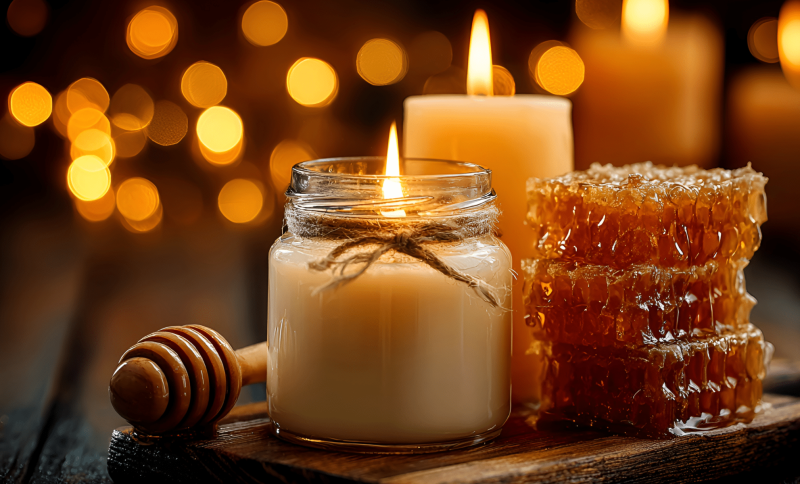
There’s something quietly reassuring about lighting a candle at the end of the day. For many women, especially those who appreciate a calm, well-kept home, it’s less about decoration and more about ritual—soft light, a familiar scent, a moment of stillness. But not all candles are created equal, and the ongoing conversation around paraffin vs beeswax has made many shoppers pause before buying.
If you’ve ever wondered whether the type of wax really matters. The answer is yes. This article talks about how a candle burns and what it releases into the air. The differences between beeswax and paraffin wax are worth understanding if you value quality and comfort in your home environment.
A Natural Wax vs a Petroleum Byproduct
The distinction begins with how each wax is made.
Beeswax is produced by honeybees and formed naturally within the hive. It’s been used for centuries—long before modern manufacturing—for candles, balms, and polishes. Its appeal lies in its simplicity: it’s a natural, minimally processed material that retains its integrity from hive to home.
Paraffin wax, on the other hand, is made from petroleum. It’s a refined byproduct of crude oil processing. It is widely used because it’s inexpensive and easy to work with on a large scale. Affordability is the reason that paraffin candles dominate supermarket shelves.
This difference—natural versus industrial—sets the tone for everything else, from burn quality to environmental impact.
What Happens When You Light It?
One of the most noticeable differences between beeswax and paraffin wax appears the moment you strike a match.
Beeswax candles burn with a warm flame and produce very little visible smoke. They’re known for a clean burn, which means less residue on glass containers, walls, or ceilings. Many people also have felt that the air simply feels fresher when burning beeswax, particularly in smaller or enclosed rooms.
Paraffin candles behave differently. While they burn reliably, they’re more prone to producing soot—those faint black marks that get collected around the rim of a jar or drift upward over time. In everyday use, this is not so apparent, but over months or years, it becomes noticeable.
There’s also the matter of what’s released into the air. Paraffin can emit small amounts of compounds associated with petroleum when burned. Most regulatory bodies consider typical use to be safe, but for individuals who are sensitive to indoor air quality—or simply prefer a more natural environment—this is often enough to tip the balance.
Burn Time: A Question of Value
At first glance, paraffin candles seem like the economical choice as they’re cheaper to buy, widely available, and come in endless variations.
Beeswax burns more slowly due to its higher melting point. In practical terms, that means a beeswax candle can last significantly longer than a paraffin one of similar size. You may pay more upfront, but you replace it less often.
For someone who enjoys lighting candles regularly— in the evening, while reading—that longevity matters. Over time, many find that beeswax candles offer better overall value, thanks to their consistent performance.
The Scent Factor: Subtle vs Strong
Scent is personal, and both paraffin and beeswax candles have distinct scents. Beeswax has a light aroma, which can be described as faintly sweet or honey-like. For those who prefer understated elegance, this is the perfect choice.
Paraffin candles, on the other hand, have a bold fragrance. Because the wax itself is neutral, manufacturers can add strong synthetic scents.
That said, stronger isn’t always better. In smaller spaces or for those with sensitivities, heavily fragranced candles can feel overpowering. This is where beeswax tends to shine: it enhances a room without dominating it.
Environmental Considerations
For many buyers today, sustainability plays a role in even the smallest purchases.
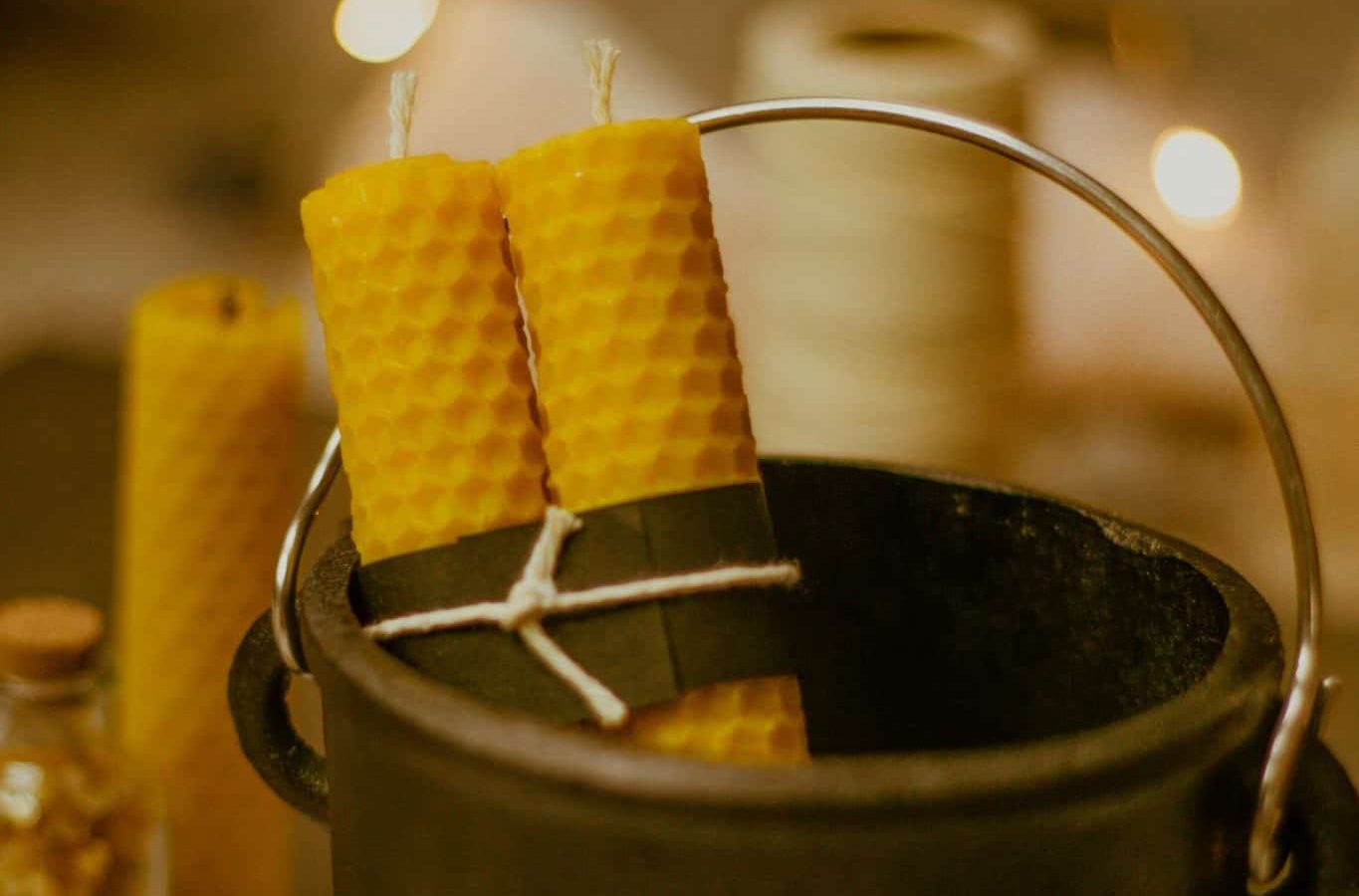
Beeswax is a renewable resource. It’s produced as part of the natural lifecycle of bees and supports beekeeping, which in turn plays a crucial role in pollination and agriculture. It’s also biodegradable, meaning it returns to the environment without lasting harm.
Paraffin wax, being derived from fossil fuels, carries a different footprint. Its production is tied to the petroleum industry, and it doesn’t break down in the same way as natural materials.
For those trying to make more thoughtful, environmentally conscious choices, this alone often settles the paraffin vs beeswax debate.
Pros and Cons of Beeswax Candles
Now, let’s look at the pros and cons of beeswax candles.
Advantages
Beeswax candles burn cleanly with little to no soot, are longer-lasting than most paraffin candles, are naturally sourced and renewable, have a gentle, non-intrusive scent, and are often preferred by those sensitive to indoor air quality.
Considerations
These candles have a higher initial cost, fewer scent variations compared to paraffin and are typically found through speciality makers rather than mass retailers.
Where Paraffin Still Has an Edge
It’s also important to understand why paraffin candles perform well. They’re affordable and are available in a range of scents and styles. For occasional use or decorative purposes, they can be perfectly adequate. If you enjoy switching fragrances frequently or want a candle for short-term use, paraffin might work for you.
But for those who burn candles often—especially in living spaces where comfort and air quality matter—these advantages can start to feel less compelling over time.
Choosing What Suits Your Home
In the end, deciding between beeswax vs paraffin wax comes down to priorities.
If you want a cleaner burn, longer lifespan, and a more natural presence in your home, beeswax candles are the way to go. It is a quiet form of luxury.
A Note on Quality and Craftsmanship
The quality of beeswax candles depends on sourcing, purity, and the way they are made. This is where brands like Summerfield Candles come into the picture. They create candles made of 100% beeswax, and they’re all natural and safe to burn.
For many customers, especially those who appreciate well-made home goods, consistency matters just as much as the material itself.
Final Thoughts
The conversation around paraffin vs beeswax isn’t about right or wrong—it’s about what you want from the products you bring into your home.
Paraffin candles offer convenience and variety. But Beeswax, while more of an investment, delivers cleaner air, longer burn time, and a more natural feel. For those who see candles as part of daily life, the choice often becomes clear. In the quiet glow of a well-made candle, small details matter—and beeswax tends to get those details right.