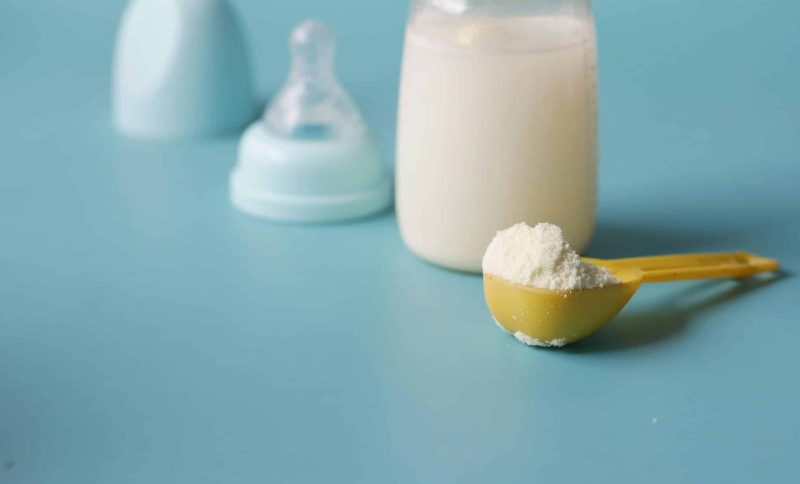
Choosing how to feed your baby is one of the first major decisions you face as a parent. For many, the search leads to organic baby formula, a choice driven by the desire to provide the purest start possible. In a world where we are increasingly aware of what goes into our bodies, the demand for clean, pesticide-free, and non-GMO nutrition for infants has skyrocketed. This guide explores the nuances of organic nutrition, helping you decide if it is the right path for your growing family.
What Makes an Organic Baby Formula?
To understand the appeal, we must first examine the debate over organic vs. conventional formulas. While both types are regulated to meet basic nutritional needs, organic versions are held to a much higher standard regarding how the ingredients are grown and processed. An organic baby formula must be made from ingredients free of synthetic pesticides, herbicides, and chemical fertilizers.
- Milk Source: The dairy must use cows that graze on organic pastures and are not treated with synthetic growth hormones (rbST) or prophylactic antibiotics.
- Carbohydrate Sources: Organic options typically avoid corn syrup solids or maltodextrin, favoring lactose – the primary sugar found naturally in breast milk.
- No Synthetic Additives: You won’t find artificial colors, flavors, or certain synthetic preservatives that are common in lower-tier conventional brands.
- Non-GMO Requirements: By definition, organic products cannot contain genetically modified organisms, ensuring the corn, soy, or oils used are in their natural state.
The primary goal of organic vs conventional formula is to reduce the “chemical load” on an infant’s developing system, providing a foundation that mimics nature as closely as possible.
Key Organic Formula Certifications
The word “organic” on a label is only as strong as the organization backing it. To ensure you are truly getting a clean product, you need to understand the different organic formula certifications. These seals indicate that the product has undergone rigorous third-party auditing of its supply chain.
- USDA Organic: This is the standard in the United States. It requires at least 95% organic ingredients and strictly prohibits the use of GMOs and synthetic fertilizers.
- EU Organic (Euro-Leaf): Many parents argue that European organic formula is superior due to this certification. The EU has stricter limits on pesticide drift and forbids many synthetic nutrients that are still allowed in the US.
- Bioland and Demeter: These are “gold standard” certifications often found on high-end European organic formulas. They focus on biodynamic farming, which treats the farm as a self-sustaining ecosystem and has even stricter animal welfare rules.
- NASAA Organic: This is a common certification for Australian and Asian brands, focusing on sustainable agricultural practices and chemical-free processing.
For parents seeking the highest level of purity, visiting organiclifestart.com provides access to brands that carry these elite certifications, ensuring that the organic formula certifications on the tin match the quality inside.
Comparing Organic Formula Brands

With the rise in popularity of clean eating, the number of organic formula brands has expanded significantly. Choosing between them often comes down to the specific protein source (cow vs. goat milk) and the presence of added extras like prebiotics and probiotics.
- Holle: A leader in the European organic formula space, known for its Demeter-certified ingredients and simple, starch-free recipes.
- HiPP: This brand is famous for including natural lactic acid cultures (probiotics) originally isolated from breast milk, making it excellent for digestive health.
- Kendamil: A unique option among organic formula brands because it uses full-cream milk and avoids palm oil, which some babies find easier to digest.
- Bobbie: A popular US-based brand that focuses on a “European-style” recipe while meeting all FDA requirements, using pasture-raised dairy.
When comparing these organic formula brands, it is essential to consider your baby’s specific needs – such as whether they require a hydrolyzed protein for sensitivity or thrive on a standard milk-based recipe.
Cost of Organic Baby Formula
There is no getting around the fact that organic baby formula costs more than its conventional counterparts. Organic farming is more labor-intensive, yields are often lower, and the certification process is expensive for manufacturers. For a family on a budget, this can be a significant monthly expense.
- Input Prices: Organic milk and non-GMO oils cost significantly more at the wholesale level, which is reflected in the retail price.
- Economies of Scale: While major conventional brands can produce millions of units at low cost, organic production is often more specialized and smaller-scale.
- Import Fees: If you are buying European organic formula while living in North America, you will also face shipping and handling costs that increase the price.
- Bulk Buying: Many parents manage the cost of organic baby formula by purchasing in bulk or signing up for subscription services, which often offer a 10-15% discount.
While the price tag may be higher, many parents view the cost of organic baby formula as an investment in preventing potential health issues related to pesticide exposure or synthetic additives.
Is Organic Baby Formula Worth It?
The ultimate question is whether the benefits of organic baby formula justify the extra effort and expense. For most health-conscious parents, the answer is a resounding yes. When weighing the organic vs. conventional formula options, the peace of mind that comes from knowing exactly what is in your baby’s bottle is invaluable.
- Long-Term Health: Reducing exposure to environmental toxins during the “first 1,000 days” is believed by many experts to support a stronger immune system.
- Digestive Comfort: Because organic formulas often avoid cheap fillers like corn syrup, many parents report fewer instances of colic, gas, and constipation.
- Environmental Impact: Choosing organic supports farmers who are protecting soil health and biodiversity, ensuring a cleaner planet for your child’s future.
- Strict Quality Control: The rigorous organic formula certifications mean that the product is tested more frequently for heavy metals and contaminants than standard grocery store brands.
Navigating the world of infant nutrition is a journey of education and intuition. By understanding the different organic formula brands and the weight of various organic formula certifications, you can make a choice that aligns with your family’s values. Whether you choose a domestic option or a premium European organic formula, the goal remains the same: a happy, healthy, and thriving baby. While the cost of organic baby formula is a factor to consider, the purity of the ingredients provides a sense of security that many parents find priceless. Whatever you choose, remember that a fed baby is the most important thing, and your love is the most vital “ingredient” of all.