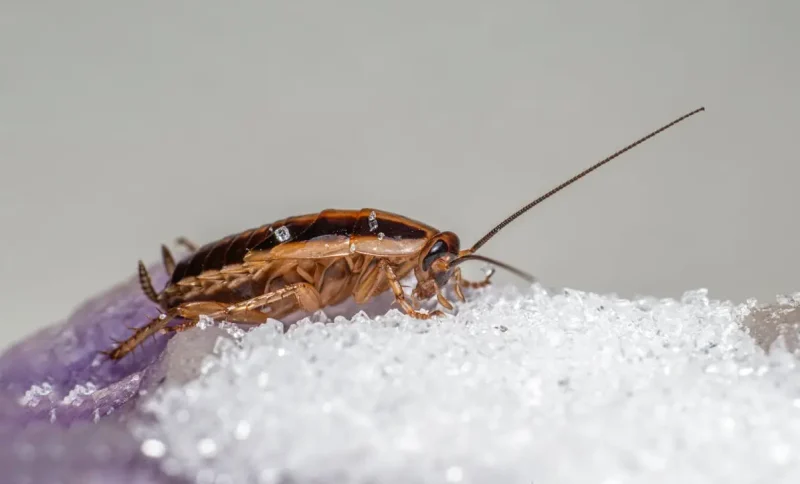
A kitchen can look spotless and still attract kitchen pests. A small spill under the toaster or a thin grease layer near the stove provides enough food to keep insects active. Home kitchen pest control starts with identifying what draws pests in and removing those food sources consistently.
Ants, cockroaches, pantry moths, fruit flies, and rodents respond quickly to accessible calories. Sugar, starch, fat, and protein all work in their favor. Add warmth and moisture, and the kitchen becomes a reliable feeding ground.
What Kitchen Pests Look For
Most kitchen bugs follow scent trails. Even when counters appear clean, residue builds up along cabinet seams, behind appliances, and inside drawers. Cockroaches often hide under sinks or near dishwashers, where humidity stays higher. Grease accumulation around cooking areas provides long-term feeding material.
Even small food residues left overnight can invite unwanted pests into your home. If the issue becomes persistent, seeking expert pest management services for residential properties can help eliminate hidden infestations and restore a clean, safe environment.
Sugary Foods and Sweet Residue
Sugar attracts ants quickly. Fruit flies gather around fermenting drinks and produce. A soda ring, a syrup lid, or juice splatter inside recycling bins can support repeat activity.
To prevent this, try to clean sweet spills immediately, including the outside of containers. Rinse drink cans and bottles before placing them in recycling. Keep honey, jam, and baking sugars in sealed containers rather than loosely folded bags.
Grease and Cooking Oils
Grease film builds slowly. It spreads across backsplashes, settles under burners, and coats vent filters. Cockroaches and some ant species feed on these residues long after cooking is finished.
Avoid by degreasing cooking surfaces regularly. Also, pull small appliances forward and wipe underneath them. Empty toaster trays and clean the surrounding counter space.
Dry Goods and Pantry Foods
Flour, rice, cereal, oats, pasta, nuts, and dried fruit attract pantry pests because insects can lay eggs inside the product itself. Cardboard boxes and thin plastic bags provide little resistance. Infestations often begin before food reaches your home.
Solutions you can try would be to transfer dry goods into airtight containers after purchase. You may also vacuum shelf corners and seams. Lastly, rotate older products forward and avoid keeping torn packaging.
The U.S. Food and Drug Administration advises refrigerating or freezing perishables promptly and following the two-hour rule, which limits how long temperature-sensitive food can remain at room temperature. The agency also recommends keeping refrigerators at or below 40°F and freezers at 0°F, since proper cold storage slows bacterial growth and reduces food safety risks. Those same temperature controls limit conditions that attract pests to exposed or improperly stored items.
Many food storage mistakes happen quietly when items sit half open for months or spill unnoticed along shelf edges.
Pet Food and Feeding Zones
Pet food contains fats and proteins that attract both insects and rodents. A bowl left out overnight becomes a steady food source. Bags stored on the floor are easy targets.
To avoid this, store kibble in a tightly sealed container. Pick up bowls after feeding times. Sweep crumbs daily around feeding areas.
Small changes in routine can limit long-term rodent activity in kitchens.
Produce, Compost, and Drains
Overripe fruit releases fermentation odors that draw fruit flies. Onion skins and potato debris collect moisture in storage bins. Compost containers intensify scent if not emptied regularly.
Drain flies feed on organic buildup inside pipes. Scrubbing the inner drain walls with a stiff brush removes biofilm more effectively than flushing with hot water alone.
Keep ripe produce refrigerated when possible. Empty compost frequently or store scraps in the freezer until disposal day.
High-Risk Foods and Common Targets
|
Food Or Residue |
Typical Pests |
Likely Location |
|---|---|---|
|
Sugar spills and syrup |
Ants, fruit flies |
Counter edges, recycling bins |
|
Grease film |
Cockroaches, ants |
Stove sides, vent hoods |
|
Flour, rice, cereal |
Pantry moths, beetles, rodents |
Pantry shelves |
|
Pet food |
Ants, rodents, cockroaches |
Feeding corners, floor edges |
|
Overripe fruit |
Fruit flies |
Counter bowls |
|
Crumbs and dish residue |
Multiple kitchen pests |
Under appliances |
Daily Actions That Reduce Food Access
- Wipe cooking surfaces before bed.
- Dry the sink and surrounding counter area.
- Store dry goods in sealed containers immediately after use.
- Rinse recyclables that held sugary liquids.
- Sweep along baseboards and appliance edges.
Consistency matters more than intensity. Short daily cleaning prevents buildup that pests rely on.
When Chemical Products Are Considered
Severe infestations sometimes require treatment beyond sanitation. Product labels must be followed carefully. The U.S. Environmental Protection Agency states that pesticides making public health claims must carry an EPA Registration Number, which confirms the product has been evaluated for safety and effectiveness when used according to label directions.
Avoid spraying near food preparation surfaces. Keep chemicals away from pantry shelves and pet areas unless specifically labeled for those uses.
Warning Signs of a Larger Issue
- Live cockroaches visible during daytime hours
- Pantry insects reappearing after discarding affected food
- Rodent droppings near drawers or food storage
- Persistent ant trails returning to the same entry point
- Gnaw marks on packaging
Repeated activity usually indicates a hidden food source or entry gap.
Final Thoughts
Kitchen pests respond to access. Sugar residue, grease buildup, open pantry goods, pet food, and decomposing produce all provide reliable fuel. Home kitchen pest control improves when food is sealed, moisture is limited, and surfaces stay clean in overlooked areas.
For more practical ideas on maintaining a functional, modern home, visit our blog.