Fresh herbs can lose flavor and texture quickly if they are stored like ordinary vegetables. Tender leaves bruise easily, excess moisture causes rot, and dry refrigerator air can make herbs wilt within a few days.
Soft Herbs Need Gentle Storage
Soft herbs have delicate stems and thin leaves, so they need moisture without being soaked. Basil, parsley, cilantro, and mint usually last longer when treated like fresh flowers instead of dry pantry items.
Basil
Basil is sensitive to cold, so the refrigerator can turn its leaves dark and limp. The best method is to trim the stems and place the bunch in a glass with about one inch of water at room temperature.
Basil stays fresher when these simple steps are followed:
- Remove damaged or black leaves before storage.
- Keep stems in clean water.
- Cover the leaves loosely with a plastic bag.
Change the water every one to two days. Keep basil away from direct sunlight, heat, and ripening fruit because ethylene gas can speed up spoilage.
Parsley, Cilantro, and Mint
Parsley, cilantro, and mint usually keep well in the refrigerator when stored upright in water. Trim the stem ends, place them in a jar, cover the top loosely, and keep the jar on a refrigerator shelf. They also need space around the leaves. A tight bag can trap moisture and cause slimy spots, especially if the herbs were wet when stored.
Leaf Check
Soft herbs should be checked every few days because one spoiled leaf can affect the whole bunch. Remove yellow, mushy, or dark leaves as soon as they appear.
A quick inspection helps prevent common storage problems:
- Yellow leaves that signal age
- Slimy stems from trapped moisture
- Brown edges from cold damage
- Sour smell from bacterial growth
A clean jar and fresh water can extend storage time. Most soft herbs can last about one week, and parsley or mint may last longer when handled carefully.
Hardy Herbs Need Dry Storage
Hardy herbs have firmer stems and thicker leaves, so they can handle cooler and drier conditions. Rosemary, thyme, sage, oregano, dill, and chives usually store better wrapped loosely than standing in water.
Fresh herbs also make everyday meals feel more connected to different cooking traditions, and if you want to learn more about other cuisines, you can visit Ukraine dating sites to meet people who may share regional dishes, family recipes, and food stories.
Rosemary, Thyme, and Sage
Rosemary, thyme, and sage should be kept dry before refrigeration. Wrap them in a slightly damp paper towel, place them in a loose plastic bag or airtight container, and store them in the crisper drawer.
Hardy herbs keep better when air and moisture stay balanced:
- Pat leaves dry before wrapping.
- Use a paper towel that is damp, not wet.
- Keep the bundle loose.
- Store away from strong-smelling foods.
- Replace wet paper towels when needed.
Dill and Chives
Dill and chives are more delicate than rosemary and thyme, but they still do well in the refrigerator. Wrap them in a dry or barely damp paper towel and place them in a container with enough room to avoid crushing.
Chives should be stored whole rather than chopped. Cut herbs lose moisture faster, so slicing should be done right before cooking whenever possible.
Freezing Extra Herbs
Freezing is useful when herbs are close to spoiling and will later be used in cooked dishes. Chop and place them in an ice cube tray, cover them with water or olive oil, and freeze until solid. Frozen herbs work best in soups, sauces, stews, and sautés. They will not have the crisp texture needed for fresh salads or garnishes.
Wash at the Right Time
Herbs last longer when they are washed close to the time they will be used. Extra water speeds up decay, especially when leaves are stored in a sealed bag. If they are dirty, rinse them gently in cool water and dry them completely with a salad spinner or clean towel. Storage should begin only after the leaves are dry to the touch.
Keep Herbs Away From Damage
Fresh herbs should not be packed under heavy produce or pushed against the coldest part of the refrigerator. Pressure bruises leaves, and cold spots can freeze tender herbs. The best storage area is usually a refrigerator shelf or crisper drawer with a steady temperature. They should be easy to see, since visible storage makes them more likely to be used before they spoil.
Fresh Flavor for More Meals
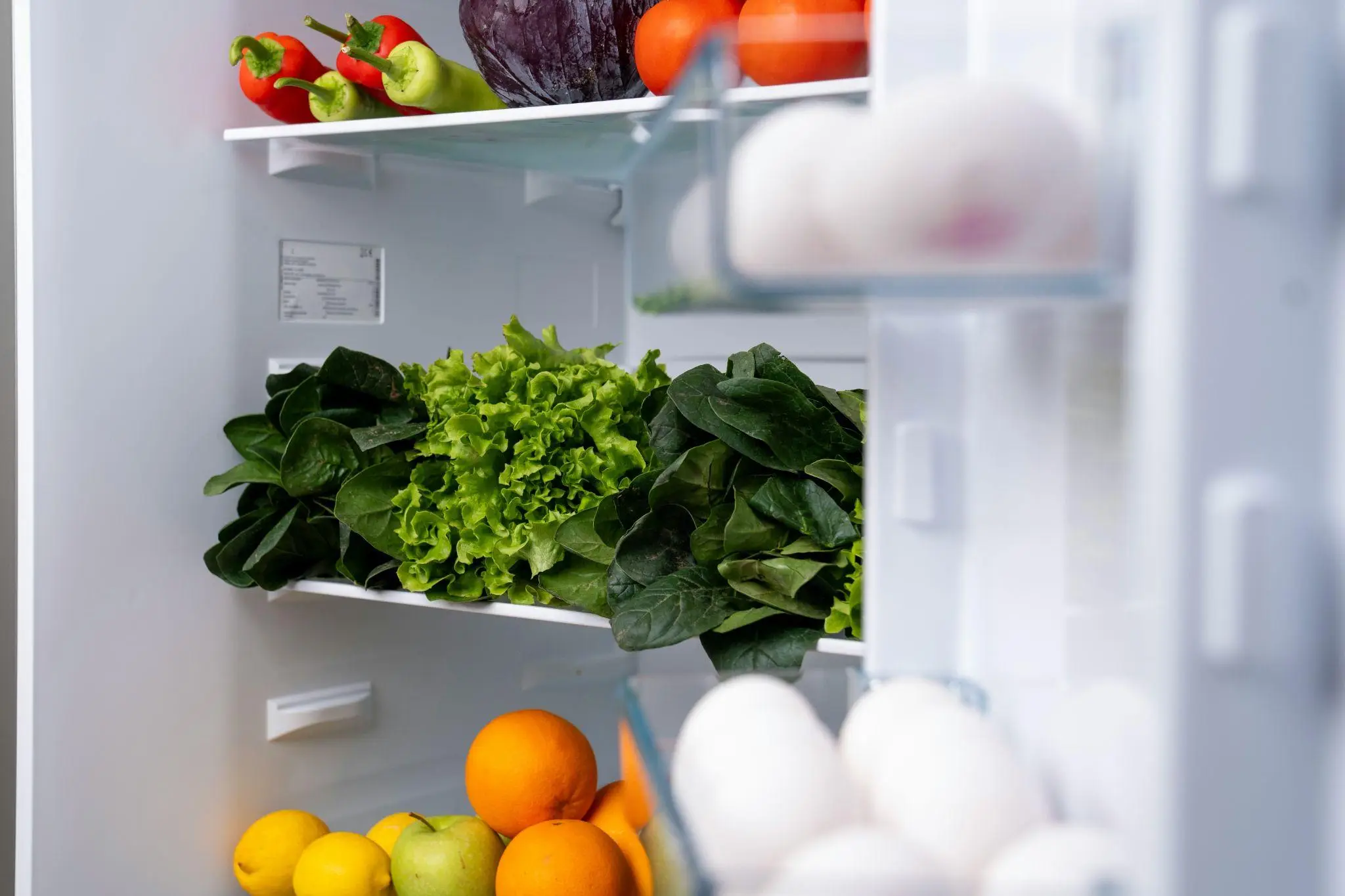
Good herb storage depends on matching the method to the herb type. Soft herbs usually need water and gentle cover, while hardy herbs need dry wrapping and cool storage. A few small habits can save money and reduce food waste. Trim stems, remove damaged leaves, control moisture, and check freshness often so herbs stay ready for cooking longer.