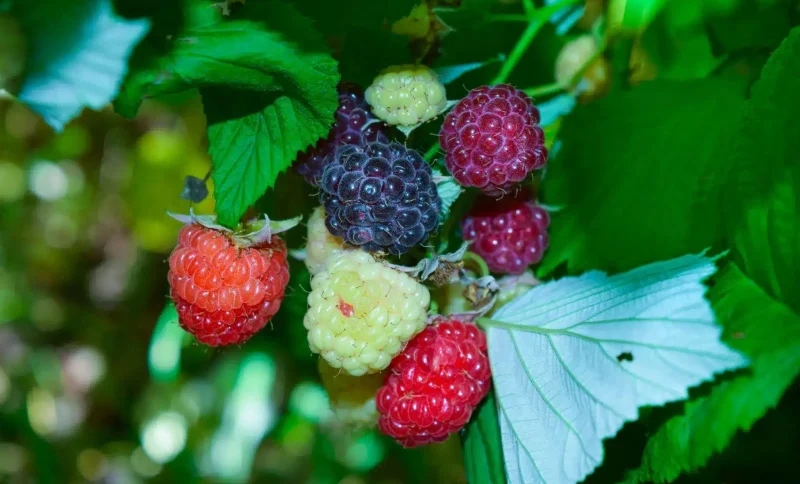
North America experiences a season where there is an enormous amount of fruit available for any culinary experiment. The choice of appropriate fruit significantly alters the taste and texture of traditional desserts, and cooking becomes a culinary adventure. You will learn how to select the finest fruit, preserve its freshness, and incorporate it into your recipes in this article.
Understanding the US Berry Harvest Calendar for Peak Flavor
The agricultural calendar of the United States directly determines the availability of certain varieties at local markets across different states. Farmers actively manage complex seasonal cycles to ensure timely harvesting, and dedicated agricultural teams monitor these specific windows of ripeness across the country to maintain quality. This allows large agricultural complexes in California and Florida to harvest strawberries without delays, supplying store shelves with fresh produce as early as spring.
Specialized logistics and distribution systems simplify this process, as optimized supply chains ensure that every batch is handled with care and reaches the consumer quickly. With the onset of summer, the attention of Americans is turned towards blackberries and blueberries, which reach their peak production period in mid-summer in the Pacific Northwest. This knowledge plays an important role in helping homemakers effectively plan their recipes, particularly for bulk preservation.
How to Identify High-Quality Berries at Local Farmers Markets
Shopping at colorful markets entails the development of particular visual skills and knowledge regarding how to pick out fresh food. Professional cooks and amateur home cooks examine not only the upper part of the contents in the box but also the general state of the cardboard or plastic packaging itself.
There are reliable basic rules for choosing products that will prevent disappointment upon purchase:
- Inspecting the bottom of the container for signs of excess moisture or crushed fruit;
- Evaluating the natural aroma, which should be distinctly sweet rather than fermented;
- Checking for even, rich color and the absence of green spots throughout the batch.
These simple steps reliably protect you from purchasing old produce, and they take only a few seconds at the stall. Careful visual assessment always remains your main and most reliable quality control tool.
Vendors are usually very willing to share accurate information about the exact harvest time of each specific batch. Freshness directly affects their reputation, so an honest conversation is always beneficial for both sides.
The Benefits of Buying Directly from Local Agricultural Producers
The direct interaction with suppliers ensures the shortest possible period of time between harvesting and the food being laid out for cutting at your kitchen table. Local farms are an indispensable life support for the regional economy, always employing many people in different places.
High-tech job portals like Jooble receive applications from 90 million users each month and help these farms to form their workforce as soon as possible, and it all costs absolutely nothing for those who need to look for employment; for instance, finding fruit picking jobs via these platforms is totally free of charge. As a result, thanks to the convenience of free mobile applications with smart tags, you’ll easily find relevant agricultural opportunities anywhere you go.
This way, it will positively affect the high level of quality of the end product. And as far as the buyer is concerned, he/she is getting fresh products from local producers without additional markups that chain stores often apply. Thanks to the availability of salary data, you can select the most interesting positions, thus providing local farmers with well-motivated workers.
Essential Storage Techniques to Maintain Berry Freshness at Home
Proper storage at home is critically important for extending the life of these delicate and fragile gifts of nature. Even the slightest mistakes at this crucial stage can quickly ruin the most premium and freshest farm produce.
|
Berry type |
Optimal temperature |
Humidity level |
Ethylene sensitivity |
Freezing potential |
|
Strawberries |
32–36°F |
90–95% |
Low |
Excellent for jams |
|
Blueberries |
32–34°F |
90–95% |
Low |
Very high (best frozen) |
|
Raspberries |
31–32°F |
90–95% |
Medium |
Moderate (gets mushy) |
|
Blackberries |
31–32°F |
90–95% |
Medium |
High for smoothies |
|
Cranberries |
36–40°F |
90–95% |
Low |
Extremely high |
|
Gooseberries |
32–35°F |
90–95% |
Low |
Good for preserves |
The presented temperature conditions allow you to significantly slow down the natural processes of spoilage. Modern kitchen refrigerators handle this narrow microclimate very well, as long as you avoid placing fragile containers on the door shelf.
Creative Ways to Use Summer and Fall Berries in Your Recipes
Skillful integration of seasonal fruit into your everyday family menu opens up a truly vast space for culinary creativity. Homemade baked goods, nutritious morning smoothies, or complex sweet-and-sour sauces for roasted meat gain completely new, deep flavor nuances. While studying cooking basics, beginner cooks most often start with simple berry reductions, classic cobblers, and easy small-batch jams.
Bold experiments with temperature and texture make it easy to create true restaurant-level masterpieces in an ordinary home kitchen. Although innovative approaches are steadily gaining popularity, traditional American closed pies remain the undisputed favorites of the fall season. The main unspoken rule here is to let the natural flavor of the fresh harvest shine without overwhelming it with excessive refined sugar.
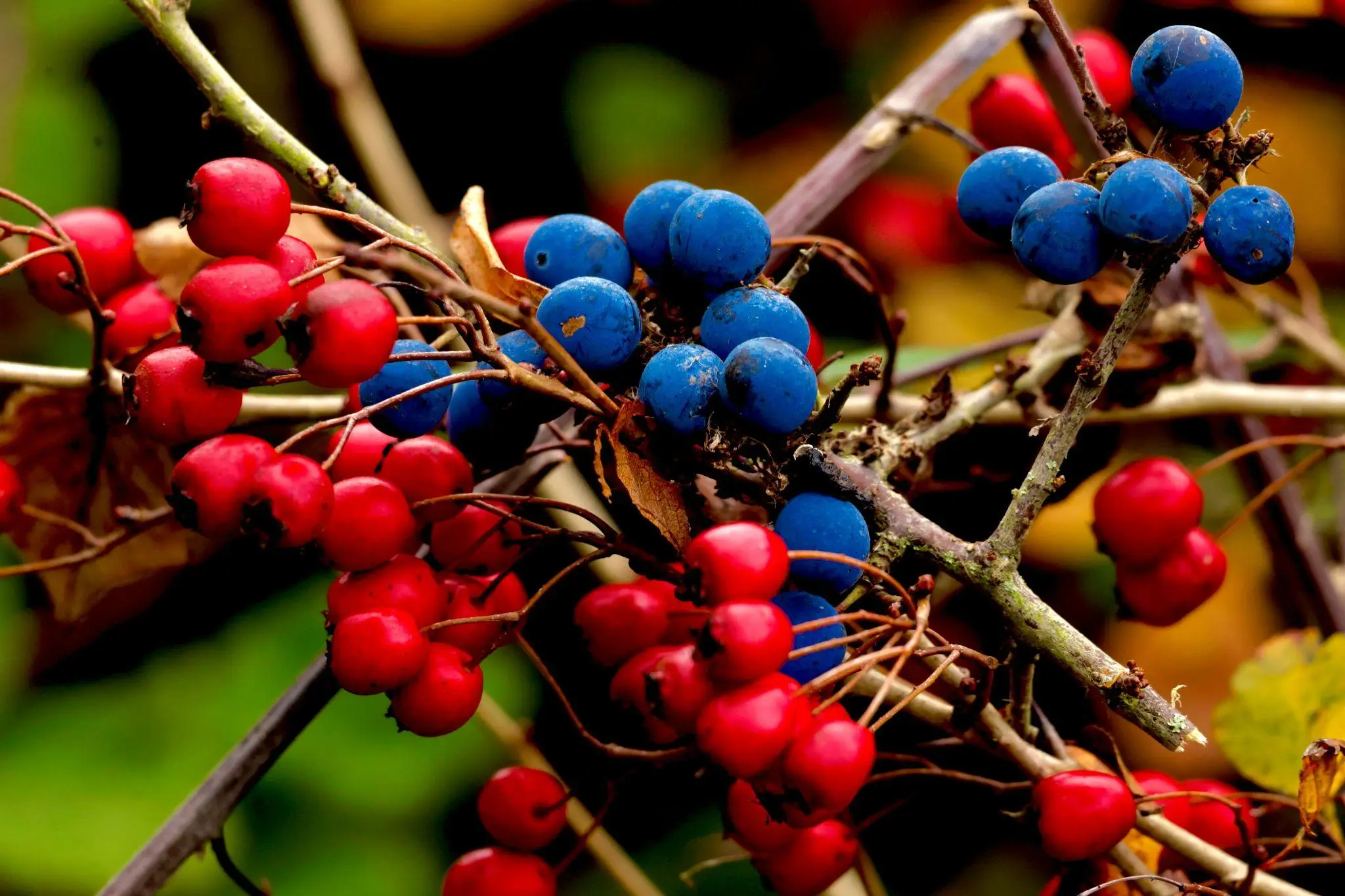
Sustainable Sourcing Practices and Why They Matter for the Environment
The practice of eco-friendly consumerism is rapidly developing into a strict norm among today’s culinary trends. By preferring small companies that use sustainable farming, they are casting their vote for a more environmentally friendly world with healthy soils through the power of their finances. The only way agribusiness can react to increasing consumer demands is to adopt a stricter approach in their farms.
The sustainability of these farms greatly relies on having a steady stream of motivated personnel. Using modern digital technologies coupled with recruitment algorithms makes it easier for business owners to hire dependable and long-lasting teams. Therefore, supporting local ecological efforts creates an overall ripple effect in the entire agricultural sector.
Final Thoughts on Sourcing Seasonal Berries
The knowledge about the subtleties of each season and the right selection of fresh products will definitely change your approach to cooking. A local community supporting farmers, together with correct ways of storing food, ensures that you will achieve a gastronomical masterpiece with your next meal. Use your new skills today, and let all your recipes be filled with the flavor of nature.