

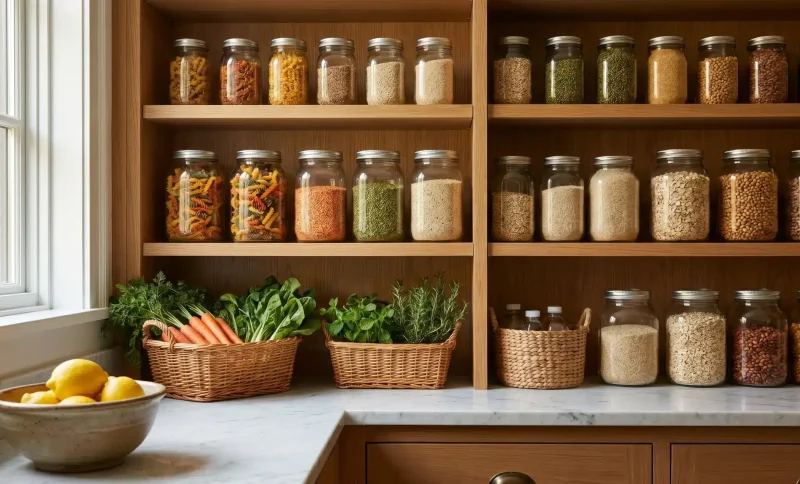
Many households only notice storage problems when the garage is packed or the pantry becomes chaotic. But the real cost starts earlier, when meal planning, bulk buying, and home organization are handled reactively. Extra ingredients pile up, seasonal cookware gets stuffed wherever it fits, and the system depends on memory instead of structure.
For busy families, the issue is not just space. It is having a usable place for the things that support daily routines. When storage decisions are weak, food gets duplicated, small appliances disappear, labels fade, and the household starts wasting money to save time.
A calmer setup does not require a full overhaul. It starts by knowing which items need to stay visible, which can be moved out of the way, and which categories should not share the same space. Once those lines are clearer, dinner planning, shopping, and putting things away all get easier.
The Hidden Cost of a Cluttered Routine
Meal planning only works when the home can support it. If pantry items are scattered, overflow is mixed with decor, or serving pieces live wherever they fit, planning turns into guesswork. People stop trusting what they have, which leads to expired food, duplicate purchases, and last-minute takeout.
Clutter also slows the pace of daily life. A kitchen that takes effort to navigate makes dinner feel harder than it should. The same friction shows up when packing lunches, storing leftovers, or trying to find a recipe ingredient that should be easy to grab.
Storage matters because it protects time in small but meaningful ways. A better system keeps counters usable, makes inventory easier to see, and helps the household buy only what it actually needs.
Convenience today can become disorder tomorrow. The best setup is usually the one that keeps daily items close while moving bulky, seasonal, or backup items out of the way.
What Actually Holds Up Under Pressure
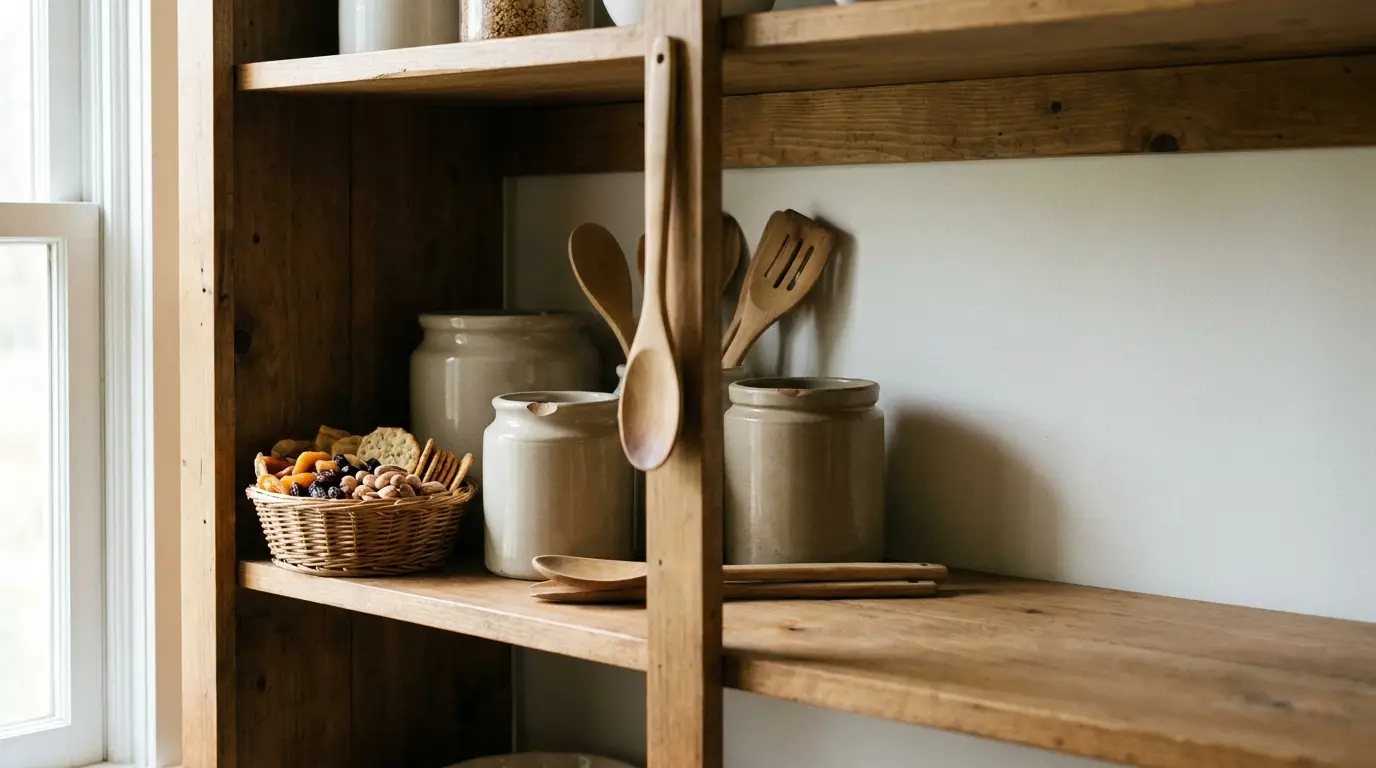
Before reorganizing around meals and storage, it helps to focus on where systems usually fail. The problem is rarely a lack of containers. It is a mismatch between where things are kept and how often they are used.
The most durable systems are built for ordinary weeks, not ideal ones. They account for rushed mornings, late grocery runs, and the reality that more than one person may put things away. That is where clarity matters more than cleverness.
Plan Around Frequency, Not Fantasy:
Items used every day should live where daily life happens. Items used once a month should not compete with them. Many households organize by category alone, then ignore how often they actually reach for something.
Think in layers: everyday cooking tools, weekly meal-prep ingredients, and backup or seasonal items. If those layers are mixed together, the fastest path becomes the messiest path.
A small basket for current snacks can save more time than a perfectly sorted shelf no one remembers to check. Likewise, keeping rarely used serving platters out of the main kitchen area leaves room for items that earn their place there.
Protect the Things That Fail Silently:
Some storage mistakes do not look dramatic. They just slowly damage useful items. Paper goods absorb moisture, boxes collapse, lids warp, and pantry overflow gets pushed to a back shelf and forgotten.
A better approach is to separate fragile, bulky, and backup items from high-turnover zones. That may mean using climate-controlled space for sensitive goods or simply moving long-term overflow out of the areas that need to stay lean.
Seasonal items matter too. Holiday cookware, extra water jugs, canning supplies, and picnic gear are useful, but they do not need prime space year-round. When those items have a dedicated home, the kitchen stays easier to maintain.
- Keep daily cooking supplies in one predictable zone.
- Store backup pantry items where they will not be bumped daily.
- Move seasonal or infrequently used items out of prime kitchen space.
A Household System You Can Actually Maintain
The most useful plan is not glamorous. It is a set of decisions you can repeat when life gets busy. The goal is to make ordinary routines faster, cleaner, and easier to trust.
Start with the areas that affect meals most directly, then move outward. When the kitchen and pantry are under control, the rest of the home is usually easier to manage too. At that point, many teams begin comparing Bakersfield storage availability based on how they actually perform day to day.
- Audit the friction points. Walk through the kitchen, pantry, garage, and laundry area with one question: what slows down meal planning or puts daily routines at risk? Mark items that are used often, used rarely, or kept only because nobody knows where else they should go.
- Separate food workflow from overflow. Keep active meal-planning ingredients, storage containers, and cooking tools in the home. Move backup appliances, extra serving ware, holiday items, and bulk purchases that do not need to live in the kitchen into a better long-term space.
- Set a review date before anything moves. Every category should have a reason for being stored where it is. If you cannot explain why an item belongs in the home or in outside storage, it probably belongs in neither until you decide.
- Label by function, not just category. A box marked “holiday” is less useful than one marked “holiday baking” or “winter serving pieces.” Clear labels make it easier for everyone in the household to put things back correctly.
- Create a simple shopping rule. Before buying duplicates or bulk quantities, check the space where the item will live and make sure it can be stored without crowding the items used every day.
Why Good Storage Is Really About Decision Quality
What separates a smooth household from a stressful one is not how many bins it owns. It is how few bad decisions it has to repeat. Good storage reduces the moments when someone has to improvise, and improvisation is where waste creeps in.
Many families do not need more room everywhere. They need one or two areas that behave predictably. That predictability makes meal planning easier, keeps home organization from unraveling, and lets practical storage do its real job without becoming another source of work.
Predictability also reduces stress. When everyone knows where the rice lives, where the extra paper towels go, and which shelf holds the backup snacks, there is less negotiation and fewer interruptions.
Make Space for the Way You Actually Live
The goal is not a perfect home. It is a home that stops fighting daily routines. When storage choices support meal planning and organization, groceries last longer because they are visible, kitchens stay usable because overflow has a place to go, and busy weeks feel more manageable.
That takes judgment, not just containers. Decide what must stay close, what can live elsewhere, and what should not be kept at all. Once those lines are clear, the rest gets easier, and the house starts working the way people hoped it would.


