There is a distinct, comforting rhythm to a busy kitchen. From the sharp snap of fresh vegetables on a cutting board to the rich aroma of a weekend sauce simmering on the stove, the kitchen truly serves as the heart and hub of the home. However, that creative culinary flow can come to a screeching halt when you are suddenly faced with a stubborn kitchen sink clog.
Between rinsing produce, washing greasy prep bowls, and managing a mountain of pots and pans, kitchen drains endure a massive amount of daily wear and tear. When plumbing problems strike this essential space, they rarely choose a convenient moment. More often than not, they flare up right as you are cleaning up from a major dinner party or preparing your home for holiday guests.
Keeping a kitchen running smoothly requires a mix of smart cleanup habits and an understanding of when a slow pipe points to a deeper issue. After all, whether you are consulting an expert plumber in Ottawa to safeguard a historic kitchen or simply looking for a reliable professional in your own hometown, getting timely, specialized help ensures the centerpiece of your home stays fully operational.
Common Culprits Behind Kitchen Sink Clogs
Many everyday drain issues stem directly from what goes into the sink during meal preparation and cleanup. Even the most careful home cooks can accidentally introduce materials that cause long-term trouble inside household pipes.
The Danger of Fats, Oils, and Grease (FOG)
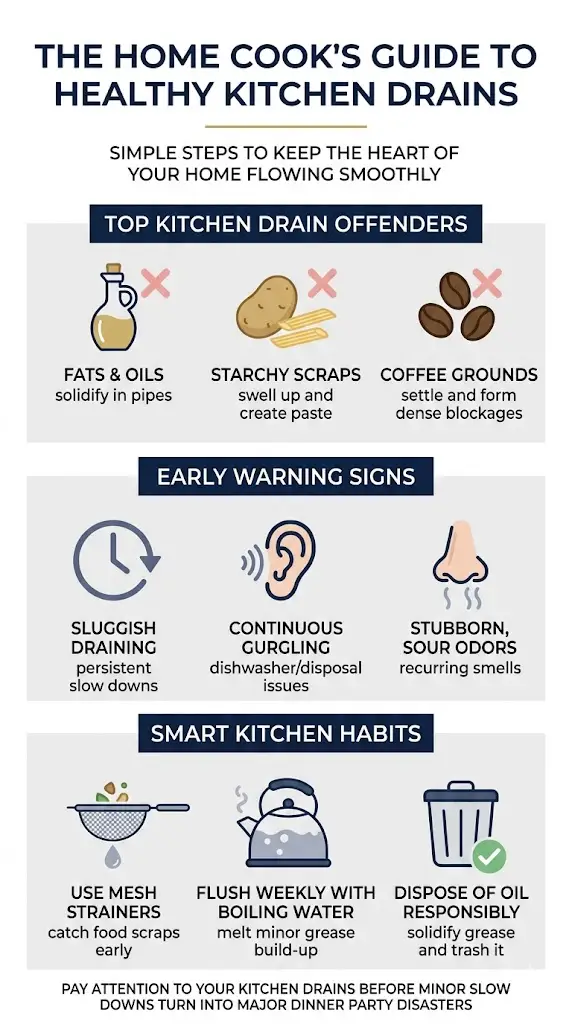
Pouring liquid fat down the drain is one of the fastest ways to create a severe blockage. While grease looks completely harmless when warm and fluid, it quickly cools and solidifies inside your plumbing, acting much like candle wax. Over time, this sticky grease captures passing food scraps, narrowing the diameter of the pipe until wastewater can no longer pass through.
Food Scraps and Garbage Disposal Misconceptions
A garbage disposal is an incredibly convenient kitchen tool, but it is not an all-powerful trash bin. Several items should never make their way down the disposal unit:
- Starchy items: Potato peels, pasta, oats, and rice expand significantly in water, creating a thick, glue-like paste that easily chokes drains.
- Fibrous vegetables: Celery, onion skins, asparagus, and corn husks feature tough, stringy fibers that can catch, tangle, and jam disposal blades.
- Coffee grounds: These do not break down; instead, they accumulate in pipe bends, forming a dense, sludge-like barrier that acts like sand in a pipe.
Why Quick Fixes Often Fall Short
When faced with a slow drain, the immediate instinct for many homeowners is to pour a bottle of chemical cleaner down the sink basin. While this might offer a temporary opening, relying on these aggressive solutions can introduce entirely new issues.
The Hidden Risks of Chemical Cleaners
Chemical drain clearers rely on highly caustic ingredients to burn through blockages. While they might break up a minor hair or grease clog, they also generate intense heat inside the pipe. This reaction can weaken modern PVC or corrode older metal plumbing systems. Frequent use can eventually lead to pinhole leaks behind your cabinetry, resulting in costly water damage to your kitchen woodwork.
Plunging and Surface Fixes
Plunging can occasionally break up a shallow kitchen sink clog, but it rarely clears out the underlying grease residue coating the pipe walls. If the true issue is a heavy accumulation of cooking fats or a deeper mainline restriction, a standard plunger will only shift the blockage further down the plumbing line rather than removing it completely.
Essential Maintenance Practices for a Healthy Kitchen Drain
The most effective way to avoid unexpected kitchen disruptions is to establish a simple, consistent drain maintenance routine. Protect your workspace with these straightforward practices:
- Use mesh sink strainers: Catch small food scraps, stray herbs, and debris before they ever enter your plumbing lines.
- Flush weekly with boiling water: Once a week, pour a full kettle of boiling water down the drain to melt away minor grease accumulation before it hardens.
- Clean with ice and citrus: Drop a handful of ice cubes and a few lemon peels into your garbage disposal. The ice helps scrub the blades clean, while the citrus neutralizes sour food odors.
- Use the cold water rule: Always run cold water for at least 15 seconds while operating your garbage disposal to help carry shredded particles entirely out of the local pipe network.
- Dispose of oil responsibly: Pour excess cooking grease into an empty jar, let it solidify, and throw it in the trash instead of the sink.
When It Is Time to Call a Professional
While preventative maintenance can stop many plumbing problems before they start, certain situations require specialized diagnostic equipment and professional drain cleaning techniques.
Problems That Keep Coming Back
If you find yourself clearing the same kitchen sink clog week after week, the issue is likely rooted deeper within your home’s wastewater system. Recurring slow drains often signal a significant accumulation of debris, tree root intrusion, or structural pipe sagging that simple DIY methods cannot correct.
Warning Signs to Act On
Do not wait for a complete, messy system backup before reaching out for assistance. Keep an eye out for these subtle warning signs:
- Gurgling noises coming from the drain when the dishwasher empties or when the adjacent utility sink fills.
- Persistent, sour odors that remain even after deep-cleaning the sink basin and disposal unit.
- Water backing up into an adjacent sink bowl when running the disposal or running a nearby appliance.
When these symptoms appear, an expert plumbing inspection can isolate the source of the trouble. Local specialists like Dr. Pipe Drain and Plumbing focus on careful diagnosis and clear explanations, helping homeowners tackle deep-seated blockages and arrange necessary pipe repair before minor leaks escalate into major kitchen repairs.
Final Thoughts
A functional kitchen relies heavily on a healthy, clear plumbing system. By adjusting your cleanup habits, keeping problematic food scraps out of the disposal, and addressing minor warning signs early, you can keep your kitchen running beautifully for years to come.