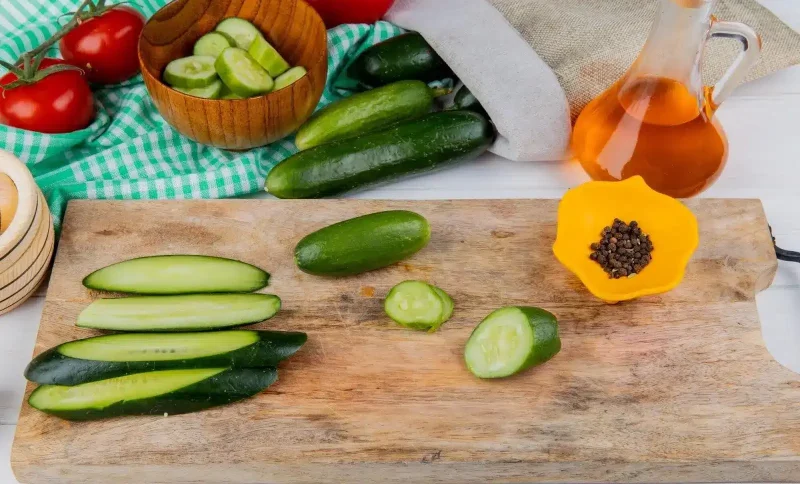
The Cellpeptides editorial team covers health and wellness trends closely, and this one caught their attention for a specific reason. A persistent social media phrase about needing to eat an entire cucumber has now produced a concrete response from a credentialed nutrition professional, four fully developed recipes built around using the whole vegetable. What makes that notable, the team observes, is not the recipes themselves but why the original phrase resonated so widely. Cucumber’s low-calorie, high-water profile makes it exactly the kind of food that weight-conscious eaters reach for instinctively, and that same audience is one the Cellpeptides team regularly sees looking beyond food choices alone. That crowd is also looking into peptides for weight loss as a separate avenue drawing real curiosity in the weight-management space.
A Two-Year Social Media Phrase Finally Gets a Dietitian’s Answer
The phrase “need to eat an entire cucumber” has circulated on social media since 2024, persisting long enough to move from meme into measurable consumer behavior. According to Natural News, the trend has maintained enough momentum that registered dietitian nutritionist Molly Knudsen, M.S., RDN treated it as genuine demand worth addressing. On June 26, 2026, Knudsen published four whole-cucumber recipes at mindbodygreen.com, each designed to use the vegetable in substantial quantities and in genuinely satisfying culinary contexts. The response represents something relatively uncommon: a credentialed nutrition professional meeting a social media food impulse on its own terms rather than simply explaining why it exists.
What Makes Cucumber a Natural Fit for Light Eating
The nutritional case for cucumber is uncomplicated. Cucumbers are approximately 95 percent water, making them one of the most hydrating vegetables available, and their calorie count sits low enough that eating large quantities does not significantly alter a day’s energy intake. An 80-gram serving delivers small amounts of fiber, primarily concentrated in the skin, along with water-soluble nutrients. That fiber contribution is modest, but it is present.
Hydration extends beyond simply eating the whole vegetable. Cucumber juice carries the same high water content and offers strong hydration, though the juicing process removes most of the fiber the skin would otherwise contribute. In either form, the vegetable functions as a low-effort way to add volume and moisture to a meal without adding significant caloric weight. Knudsen characterized cucumbers as “refreshing, hydrating and incredibly versatile,” a description that maps directly onto why the phrase captured the attention of people thinking seriously about what they eat.
Four Recipes Built Around Using the Whole Vegetable
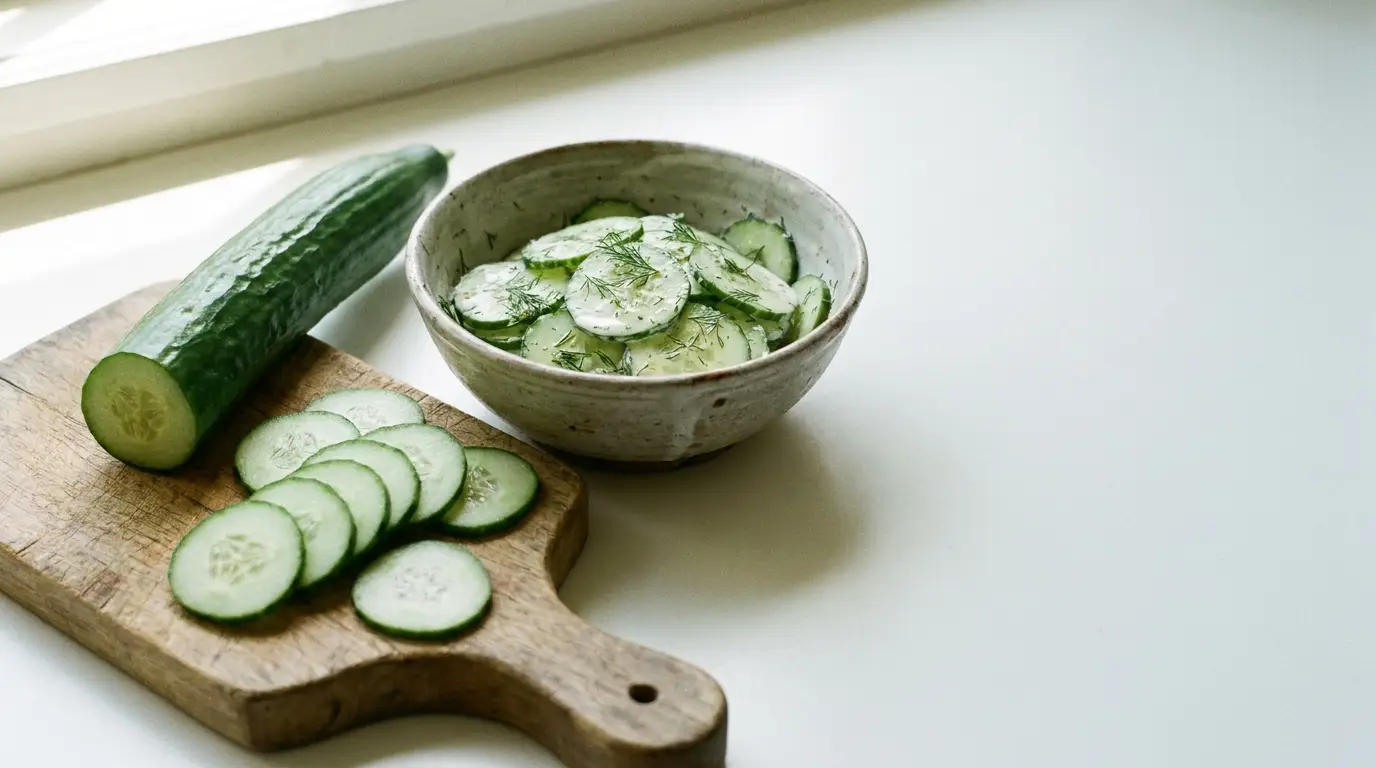
Knudsen’s four recipes address distinct meal contexts, and each one relies on cucumber to do specific work rather than simply adding it as garnish.
The first, Crispy Salmon With Salted Cucumber Salad, was developed with recipe developer Molly Baz and pairs crispy skin-on salmon over creamy coconut rice with a peanut crackle sauce built from sesame seeds, garlic, ginger, turmeric, and honey. Cucumber enters the dish thinly sliced and salted, providing freshness and crunch against the richness of the fish and the weight of the coconut rice. Knudsen described the result as “restaurant-worthy,” a characterization that signals the dish is meant to satisfy rather than simply occupy a slot in a calorie-conscious meal plan.
The Savory Yogurt Bowl takes a different approach, combining yogurt, avocado, cucumber, and herbs into a base that can be extended with grilled chicken, salmon, or roasted chickpeas depending on the occasion. Knudsen framed it as suitable for a “high-protein lunch, snack, or light dinner,” and noted that cucumber “adds freshness and crunch while helping balance the richness of the yogurt and avocado.” The flexibility of the protein component makes the recipe practical for meal prep.
The third dish, Spicy Chicken Salad, incorporates English cucumber in generous amounts specifically to ensure the whole vegetable is used. Knudsen described it as “fresh and vibrant,” positioning it as well suited to light dinners and weekly meal preparation. The cucumber contributes a crisp bite that works against whatever heat the spice component introduces.
The fourth recipe, a Tomato and Cucumber Salad inspired by the Bulgarian Shopska tradition, combines tomatoes, cucumbers, herbs, and cheese into what Knudsen called a “classic warm-weather side dish.” It pairs with grilled proteins and sandwiches, and Knudsen recommended it specifically for moments when the cucumber supply is “especially abundant,” suggesting it as a practical use for a seasonal vegetable that can arrive at the kitchen faster than it gets eaten.
Knudsen’s Synthesis Across All Four Dishes
Stepping back from the individual recipes, Knudsen offered a direct assessment of what cucumber actually contributes across different culinary contexts. The vegetable is, in her framing, “great at adding a crunch to creamy dishes, a brightness to rich proteins, and a freshness to hearty salads.” That summary covers the functional range visible in the four recipes themselves: the salmon dish with its coconut rice, the yogurt bowl with its avocado, the spicy chicken salad, and the tomato-based Shopska preparation.
The observation carries practical weight precisely because it comes from a dietitian working through the ingredient systematically rather than making a general claim about healthy eating. Cucumber’s culinary versatility, Knudsen’s recipes suggest, is not incidental to the trend. It is what makes the impulse behind the phrase worth taking seriously in the first place.