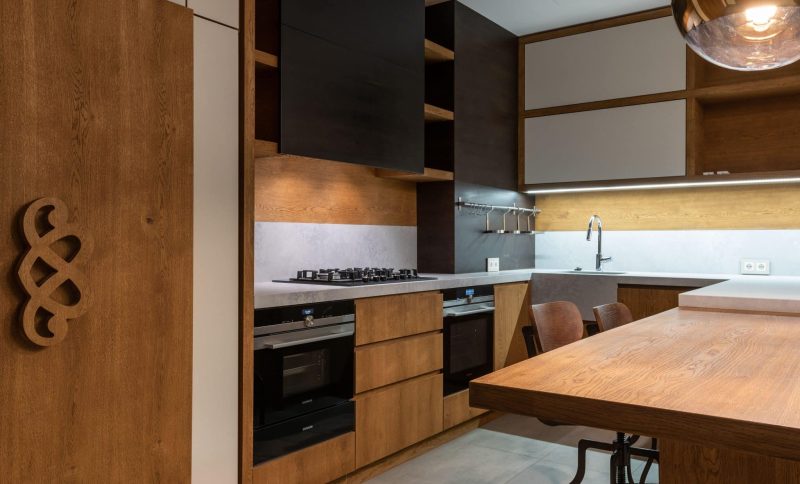
The kitchen is the part of a home that gets used hardest and judged most. It is where mornings start, where guests gather, and where the daily wear of cooking and cleaning never really stops. Because of that, it pays to think carefully about where your money goes when you buy or upgrade. Some features are nice to have. Others quietly shape how the space works for the next decade or more. Knowing the difference helps you spend on the things that last, instead of the things that simply look good in a listing photo.
Why the Kitchen Deserves a Bigger Slice of the Budget
Not every room rewards extra spending. The kitchen usually does. It carries real weight when a property is appraised, and it is often the first space buyers picture themselves living in. More than that, the kitchen takes daily punishment. Heat, water, grease, and constant traffic all break down cheaper materials faster than you might expect.
So the goal is not to buy the most expensive version of everything. The goal is to identify the handful of features that justify their cost through durability, function, and lasting appeal. Spend there. Save elsewhere.
Countertops That Earn Their Keep
Countertops are the workhorse of any kitchen. You cut on them, set hot pans near them, and wipe them down several times a day. A surface that stains, scratches, or chips will frustrate you long after the initial price is forgotten.
This is one area where saving up genuinely pays off. Quartz and natural stone cost more upfront, but they resist heat and wear in ways that laminate cannot match. They also tend to read as a premium feature to future buyers. If your budget is tight, prioritize quality on the main prep island and consider a more modest material for low-use zones. A good counter is something you touch every single day, and that contact adds up.
Cabinets Built to Last
Cabinets are easy to underestimate because the differences hide behind closed doors. Look closer, though, and the gap between cheap and well-made becomes obvious fast.
The frame matters most. Solid plywood boxes hold up far better than particleboard, which can swell and sag once moisture sneaks in. Drawer glides and hinges matter too. Soft-close hardware feels like a small luxury until you have lived without it. Quality cabinets keep their shape, hold heavy cookware without strain, and still open smoothly years down the line.
Refacing is sometimes an option if the existing boxes are sound. But when the structure is failing, putting money into proper cabinetry is rarely a regret. It is the framework the whole kitchen hangs on.
Appliances Worth the Splurge
Appliances are where it gets tempting to either overspend or cut corners. The smart move is to match the splurge to how you actually cook.
A serious home cook gains real value from a strong range and a reliable refrigerator. These get used constantly, and a poor performer becomes a daily annoyance. Energy efficiency is another reason to spend thoughtfully here. Models certified through programs like ENERGY STAR use less power and water, which trims your bills over the life of the unit. That is a cost saving that keeps returning long after purchase.
Be honest about your habits, though. A restaurant-grade range is wasted money if you rarely cook from scratch. Buy for the kitchen you use, not the one you imagine using.
Don’t Forget the Quiet Upgrades
Some appliance features rarely make the highlight reel but improve daily life more than the flashy ones. A quiet, well-vented range hood clears smoke and odor instead of just humming for show. A dishwasher with a strong cleaning cycle and low noise level changes how the whole room feels in the evening. These are the upgrades you notice through their absence.
Smart Layout and Storage
A beautiful kitchen with poor flow still feels frustrating to use. Layout is one of the few features that is hard and expensive to change later, which makes it worth getting right the first time.
Pay attention to the working triangle between the sink, stove, and refrigerator. Short, clear paths between them save steps on every meal. Storage deserves the same care. Deep drawers, pull-out shelves, and a properly sized pantry reduce clutter and make the space calmer to work in. Counter space near the cooking zone is another underrated luxury. You will appreciate it every time you prep a meal with room to spread out.
Paying for the Kitchen You Want
Even with careful planning, a kitchen worth saving for can stretch a budget. That is normal. The features that last tend to cost more upfront, and few people have that full amount sitting in cash. This is where financing options come into the picture, and one of the more practical tools for homeowners is a home equity line of credit.
A HELOC lets you borrow against the equity you have already built in your home, drawing funds as you need them rather than taking one large lump sum. That flexibility suits a kitchen project well, since costs often arrive in stages as work progresses. Interest typically applies only to what you actually use, which can make it a measured way to fund improvements. Homeowners who want to spread the cost of durable countertops, solid cabinetry, or efficient appliances over time sometimes choose to apply for HELOC funding so they can invest in quality now without draining their savings. As with any borrowing, it helps to understand the terms, compare lenders, and borrow only what the project genuinely needs.
The advantage is that money spent on a well-planned kitchen often supports your home’s value, which can make thoughtful financing feel less like spending and more like reinvesting in the property.
Lighting and Finishing Touches
Lighting is the feature people skip and later wish they had not. Good light makes cooking safer and the whole room more inviting. It also costs far less than countertops or cabinets, which makes it one of the better returns on a smaller budget.
Layer your lighting for the best effect. Task lighting under cabinets brightens prep areas. Overhead fixtures handle general coverage. A warm accent or two adds atmosphere for the evening. Fixtures and hardware, often called the jewelry of the kitchen, are another place where a modest spend lifts the look of everything around them. For broader guidance on planning these choices, resources from the National Kitchen & Bath Association can help you weigh trends against lasting function.
Bringing It All Together
A kitchen worth saving for is not about buying the most expensive version of every feature. It is about knowing which elements work hardest, last longest, and shape the way the room feels for years to come. Spend deliberately on the surfaces, structure, and appliances that carry the daily load. Trim the budget on details that are easy to swap later.
When you focus your money where it counts, the kitchen rewards you twice. It serves you well every day you live there, and it holds its value when the time comes to move on. That balance, between function and lasting worth, is what makes the saving feel worthwhile in the end.