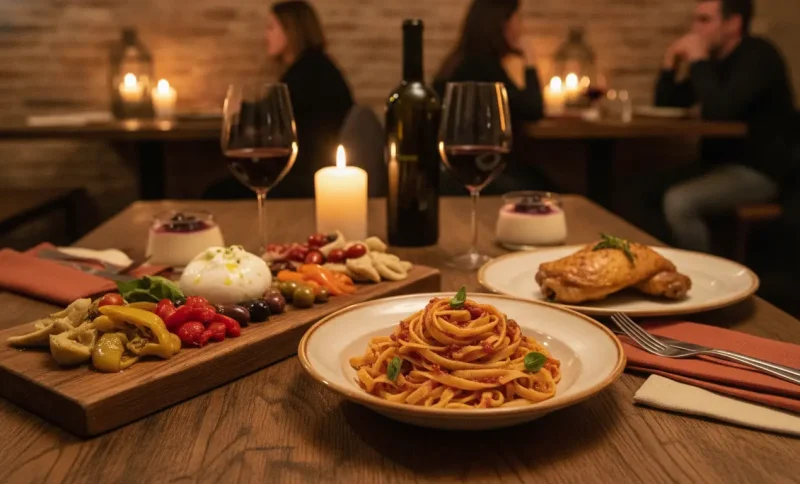
A first meal at an Italian restaurant goes better with a clear plan. Most menus move from antipasti to pasta, then larger plates and dessert, and that sequence serves a purpose. Early courses wake up the palate without dulling it. Later dishes show technique, restraint, and timing. New diners usually learn more from four smart choices than from a table crowded with rich plates that blur together. For those who want to understand the traditions behind these dishes more deeply, cooking classes in Italy offer a hands-on way to experience Italian food culture.
Start With Antipasti
Antipasti give the quickest read on seasoning, texture, and balance. A plate of marinated vegetables, fried olives, burrata, or meatballs can open the meal without causing fatigue. Shared starters also help a table compare salt, acid, creaminess, and crunch. That contrast matters. It sets a reference point, so pasta and entrees feel more distinct once they arrive.
Read the House Signals
A careful first order starts with the menu’s strongest signals, not the longest list of options. Many guides to the best Italian restaurants in Portland praise kitchens that make pasta in-house, cook sauces with patience, and treat regional dishes with care. Those clues help new diners spot what deserves attention first, especially when the menu offers both familiar standards and lesser-known specialties.
Order One Classic Pasta
One classic pasta usually tells more than a complicated plate with too many items. Penne alla vodka shows whether cream, tomato, and heat stay in proportion. Spaghetti with meatballs reveals sauce depth and proper cooking. Cavatelli with pork ragu offers a richer test, because the pasta shape, meat texture, and finish all need to work in step.
Look for Fresh Pasta
When you visit for the first time, you have to try the fresh pasta—it’s the true test of a kitchen. The texture is what separates a good meal from a memorable one. Shapes like tagliatelle, cavatelli, or pappardelle should feel tender, with slight resistance at the center. Sauce must cling rather than collect underneath. That small detail says a great deal about dough handling, boiling time, and finishing discipline at the stove. Travelers inspired to learn these techniques themselves can also consider a cooking class in Verona for a closer look at traditional pasta-making.
Consider Risotto
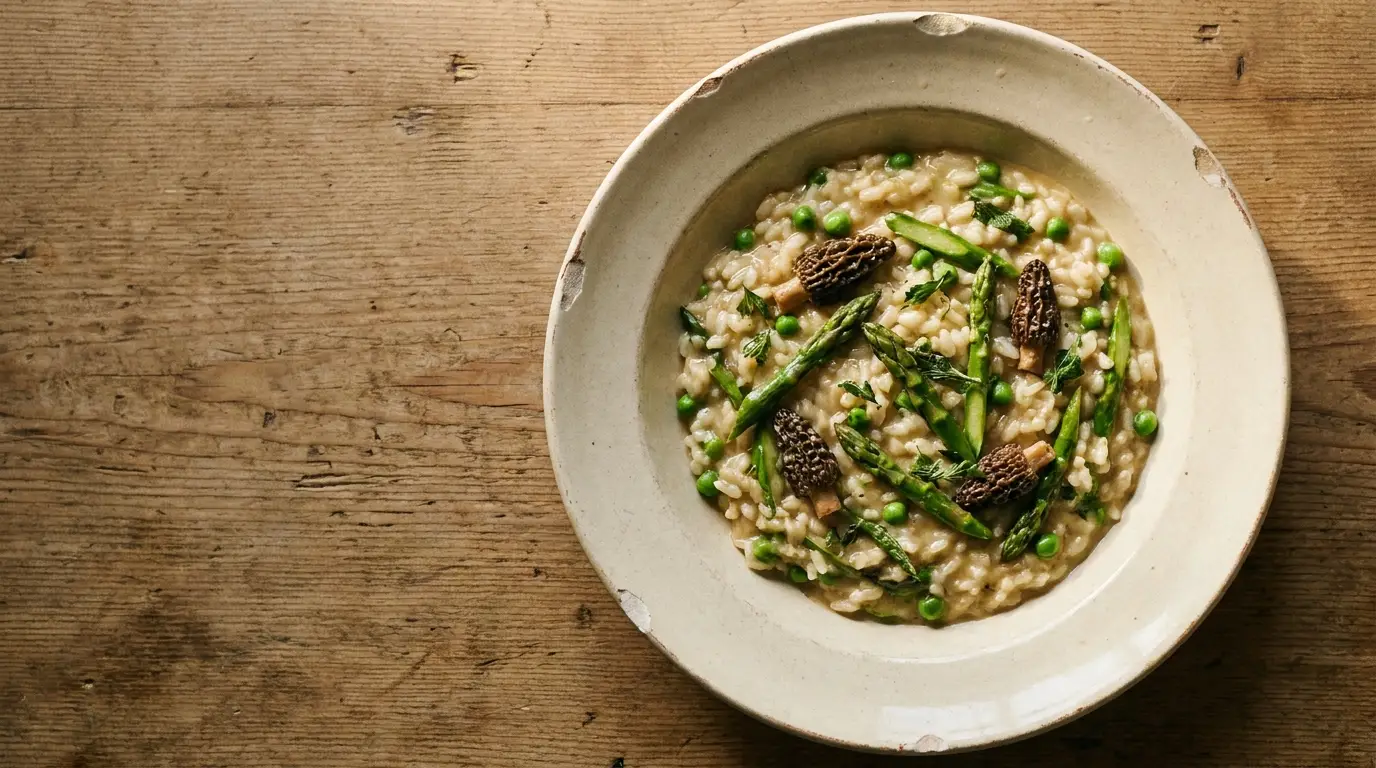
Risotto is a useful test because it leaves little room for shortcuts. Properly cooked rice spreads softly across the plate and does not sit in a mound or run like soup. Each grain needs structure, while the whole dish stays fluid. Seasonal vegetables or seafood can sharpen the result. Diners who want something beyond pasta often find risotto a smart first choice.
Add One Entree
A shared entree rounds out the picture. Pasta shows one side of the kitchen, while roasted chicken, fish, or another larger plate shows heat control and timing. This course also adds contrast after softer textures from noodles and creamy starters. For most tables, one entree is enough. Anything more can flatten the meal before dessert has a chance to matter.
Let the Wine Guide Your Menu Choices
Wine can make ordering easier rather than harder. Crisp whites suit burrata, shellfish, and lighter sauces because acidity keeps each bite lively. Medium reds pair well with tomato, meatballs, and pork ragu, and have less weight than heavier bottles. A short list often helps more than a huge one. When uncertainty appears, a server’s pairing suggestion is usually the fastest route to balance.
Save Room for Dessert
Dessert matters on a first visit because it shows whether the kitchen maintains the same level of control it demonstrated earlier. Tiramisu, panna cotta, gelato, or olive oil cake can end the meal without excess heaviness. Sharing keeps the final course in proportion. A small sweet, followed by coffee, often leaves a cleaner memory than another savory plate ordered out of momentum.
Skip Common Ordering Mistakes
First-time diners often end up making the same mistakes. They order too much, stack several heavy dishes, or ignore seasonal specials that may show the kitchen at its sharpest. A better approach is to take one antipasto, one pasta, one shared entree, and dessert. That structure creates range without waste. Asking which dishes regular guests return for can also sharpen the meal.
Conclusion
The strongest first order at an Italian restaurant is rarely the biggest one. A measured meal, built around antipasti, a pasta, one shared entree, and dessert, gives the clearest view of the kitchen. House specialties usually deserve trust, especially on an early visit. With balanced pacing and a little restraint, new diners can leave with a real sense of the restaurant’s skill, character, and judgment.