Transforming a home is one of the most rewarding investments a homeowner can make, but it is also one of the most complex. Whether you are envisioning a lush, reimagined outdoor space or a completely refreshed interior, the gap between a dream renovation and a successful one almost always comes down to planning. Most homeowners underestimate how much coordination goes into a full home transformation, particularly when outdoor and indoor projects happen simultaneously or in sequence.
This guide walks through the key decisions, timelines, and professional considerations that separate well-executed home transformations from expensive, drawn-out projects that never quite come together.
Start With a Clear Vision Before Hiring Anyone
The single most common mistake homeowners make before a major transformation is hiring contractors before they have a clear picture of what they actually want. Vague ideas lead to vague quotes, scope creep, and costly mid-project changes. Before reaching out to any professional, spend real time defining what the finished result should look and feel like.
For outdoor projects, this means deciding whether you want purely aesthetic improvements like garden beds and planting, functional additions like patios, walkways, or decks, or a complete landscape overhaul that addresses drainage, grading, and structural elements alongside the visual design. For interior projects, it means identifying which rooms are being addressed, what level of finish you are targeting, and whether the work involves structural changes or purely cosmetic updates.
The clearer your brief, the more accurate and comparable your quotes will be, and the less likely you are to face surprises once work begins.
Outdoor First or Indoor First: Getting the Sequence Right
One of the most practical decisions in a full home transformation is sequencing. Should you tackle the landscaping before or after interior remodeling? The answer depends on several factors, but in most cases, outdoor work benefits from going first when heavy equipment is involved.
Landscaping projects that require excavation, grading, or the installation of large hardscape elements like retaining walls or interlock driveways can cause significant disruption to surrounding areas. If your interior renovation is already complete when heavy machinery moves through, you risk damage to finished flooring, freshly painted walls near entryways, and newly installed fixtures. Completing the structural outdoor work first and finishing interior renovations afterward protects the investment you have made inside the home.
There are exceptions. If the outdoor work is primarily softscape, meaning planting, garden beds, and lawn restoration, it can often be done after interior work without conflict. The key is discussing sequencing explicitly with every contractor involved so that each trade understands what comes before and after their scope.
For homeowners undertaking outdoor redesigns that involve significant design planning and full design-to-build execution, working with experienced professionals in landscaping in ottawa means the outdoor scope is managed comprehensively, reducing the coordination burden on the homeowner.
Setting a Realistic Budget for Both Scopes
Budget conversations are uncomfortable for most homeowners, but skipping them is far more costly than having them early. Full home transformations that combine outdoor and indoor renovation typically involve two separate budgets with different contingency requirements.
Outdoor projects carry higher contingency risk because subsurface conditions are unpredictable until work begins. Soil composition, drainage issues, buried utilities, and root systems can all affect scope and cost in ways that are impossible to anticipate from a surface assessment. A contingency of 15 to 20 percent above the quoted price is a reasonable buffer for most landscaping and hardscape projects.
Interior renovations carry their own unpredictability, particularly in older homes where walls may conceal outdated wiring, plumbing, or structural elements that need addressing once opened. Budget contingency for interior work should typically sit between 10 and 15 percent above the quoted cost, with higher allowances for homes built before the 1980s.
Understanding these buffers upfront prevents the scenario where a homeowner runs out of budget mid-project and has to make compromises on finishes or leave portions of the work incomplete.
Choosing the Right Professionals for Each Scope
A full home transformation almost always involves multiple contractors, and choosing the right ones for each scope is not the same decision. A contractor who excels at interior kitchen and bathroom renovation is not necessarily the right choice for landscape design, and vice versa.
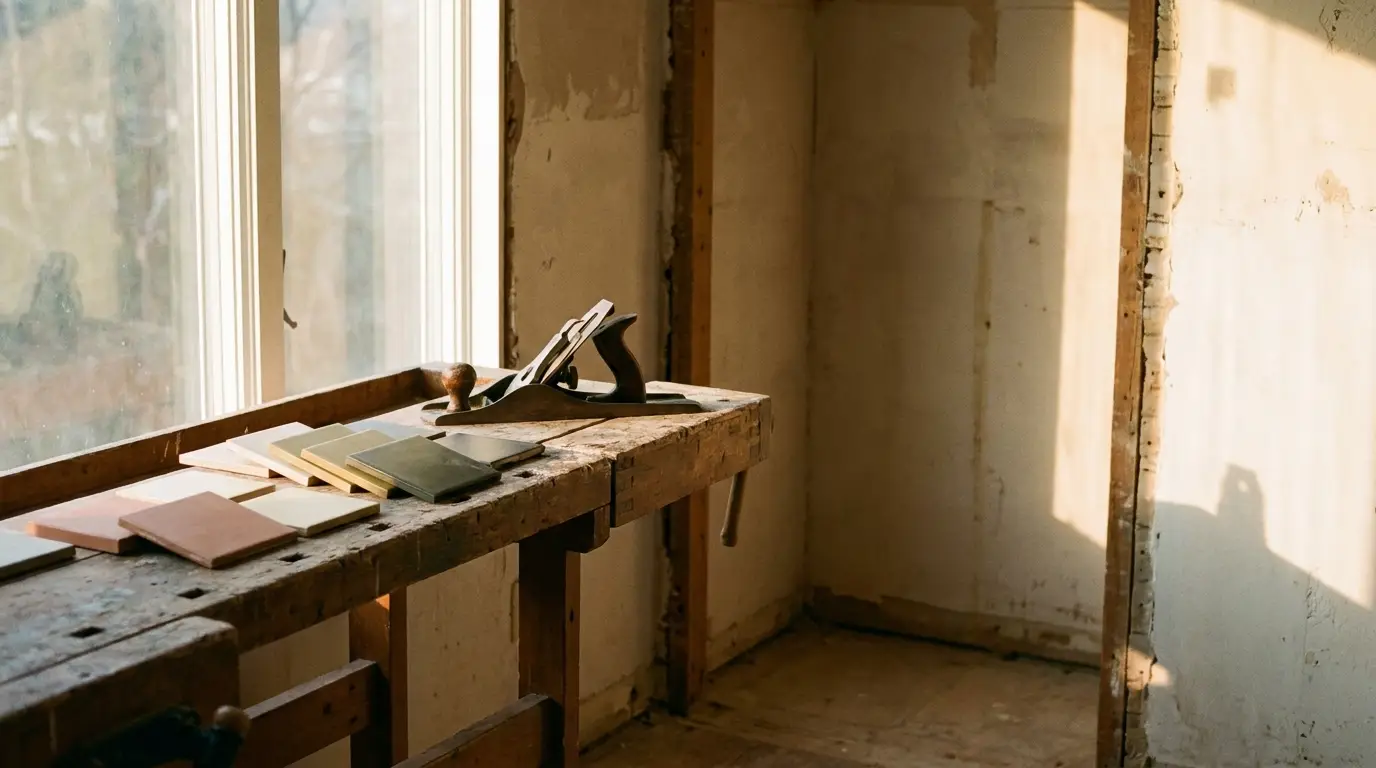
For interior work, especially at the higher end of finish quality, engaging specialists who focus specifically on the rooms or type of renovation you are undertaking produces better results than general contractors who spread their expertise thin. When the interior scope includes premium finishes, custom cabinetry, high-end tile work, or significant structural changes, working with providers of luxury remodeling services ensures the level of craftsmanship matches the investment you are making.
For outdoor work, the distinction between a general landscaper and a design-build landscape firm matters significantly for complex projects. Design-build firms handle the entire process from concept through installation, which eliminates the communication gaps that occur when design and construction are split between separate parties.
Managing the Project Once Work Begins
Even with excellent professionals on each scope, a full home transformation requires active oversight from the homeowner. This does not mean micromanaging every task, but it does mean establishing clear communication rhythms, reviewing progress against the agreed scope regularly, and addressing questions or deviations before they compound.
Weekly check-ins with each contractor are typically sufficient for projects of moderate scale. For larger transformations involving multiple trades working simultaneously, daily walkthroughs help catch issues before they create downstream problems for other trades. Document progress with photographs at consistent intervals, not only for personal records but as a reference if disputes arise over what was completed, when, and to what standard.
Change orders are among the most common sources of budget overrun in renovation projects. Every time you request a change to the agreed scope, document it in writing with an updated cost and timeline before the work proceeds. Verbal agreements about scope changes are notoriously difficult to resolve when billing time arrives.
The Landscape and Interior Connection Most Homeowners Miss
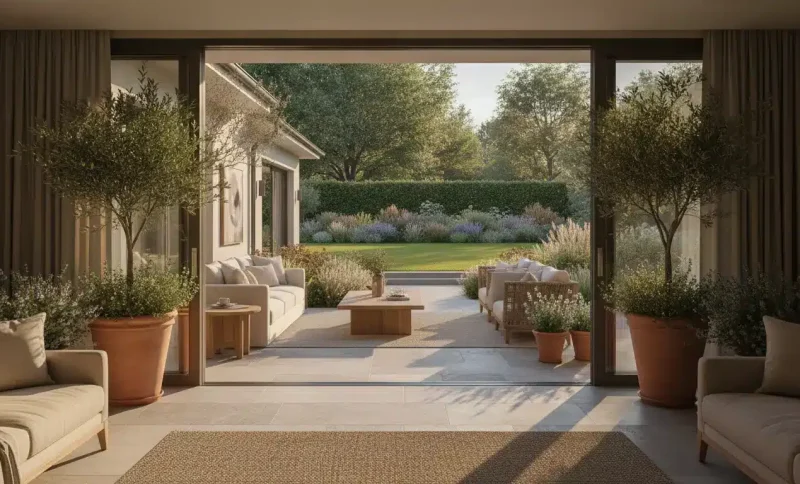
There is a design dimension to full home transformations that often gets overlooked when outdoor and indoor scopes are planned separately: the visual and functional relationship between the two. Homes where the interior and exterior feel connected and cohesive consistently feel more polished and intentional than those where the two scopes were executed without reference to each other.
This means thinking about sightlines from interior rooms to outdoor spaces, matching material tones between indoor flooring and outdoor hardscape, ensuring that outdoor entertaining areas align with the flow of interior entertaining spaces, and considering how natural light from newly designed outdoor areas affects interior rooms.
Sharing design references, material samples, and finish selections between your landscape designer and your interior contractor early in the planning process costs nothing and can meaningfully elevate the final result of both scopes.
When to Phase a Transformation Rather Than Do It All at Once
Not every homeowner has the budget, the timeline flexibility, or the tolerance for disruption to complete a full indoor and outdoor transformation simultaneously. Phasing is a legitimate strategy that, when planned correctly, produces results just as cohesive as a single-phase project.
The key to successful phasing is planning the entire transformation before beginning the first phase, even if subsequent phases are 12 to 24 months away. This ensures that early-phase decisions do not create obstacles for later phases. For example, running conduit for future outdoor lighting during the first phase costs very little compared to cutting into finished hardscape to install it later.
A well-planned home transformation, whether executed in one phase or several, is ultimately the product of clear vision, realistic budgeting, carefully selected professionals, and consistent oversight. The homes that come out of this process are not just more beautiful. They are more livable, more valuable, and built to last for the long term.