Keeping your kitchen clean is a massive deal if you want to keep your family from getting sick, especially when you’re messing around with raw or fresh ingredients. Most cases of food poisoning actually come down to tiny, mindless mistakes we make on autopilot: stuff like how we wash, chop, or store groceries without really thinking about it.
It hits you with stomach issues, and if things go south, you’re looking at a miserable trip to the ER. Really understanding how this bug hitches a ride and picking up a few dead-simple habits from the grocery cart to the stove is your absolute best bet for breaking the infection chain.
Where the Bug Hides Out in Your Kitchen
If you want to build a real defense strategy at home, you first have to figure out how this micro-organism sneaks into the food supply in the first place. Salmonella basically lives in the guts of warm-blooded animals, which is why raw animal products are the number one way humans get exposed. Chicken, pork, and raw eggs lead the list of things you need to handle with caution, along with unheated treats like tiramisu or homemade mayo.
But don’t give produce a free pass, either. Dirty irrigation water out in the fields can easily splash the pathogen right onto the surface of fruits and veggies. That makes a deep scrub mandatory, even if everything looks totally spotless when you pull it out of the grocery bag.
From Field to Fork: How the Supply Chain Handles Biosafety
Preventing salmonellosis doesn’t actually start over your stove, though. It kicks off way earlier through incredibly strict testing protocols running all the way through the commercial livestock and agricultural supply chain. Modern European standards force farmers to lock down high-level biosecurity, which means non-stop vet checks, deep-cleaning the barns on a schedule, and auditing animal feed safety.
In commercial egg facilities, for example, technicians run routine screenings to stop infected batches before they’re ever stamped and shipped off to supermarkets. This constant tracking (from the processing plant straight through the shipping cold chain) aims to crush the bacterial load at the root so the stuff hitting store shelves is actually safe.
Dodging Cross-Contamination During Meal Prep
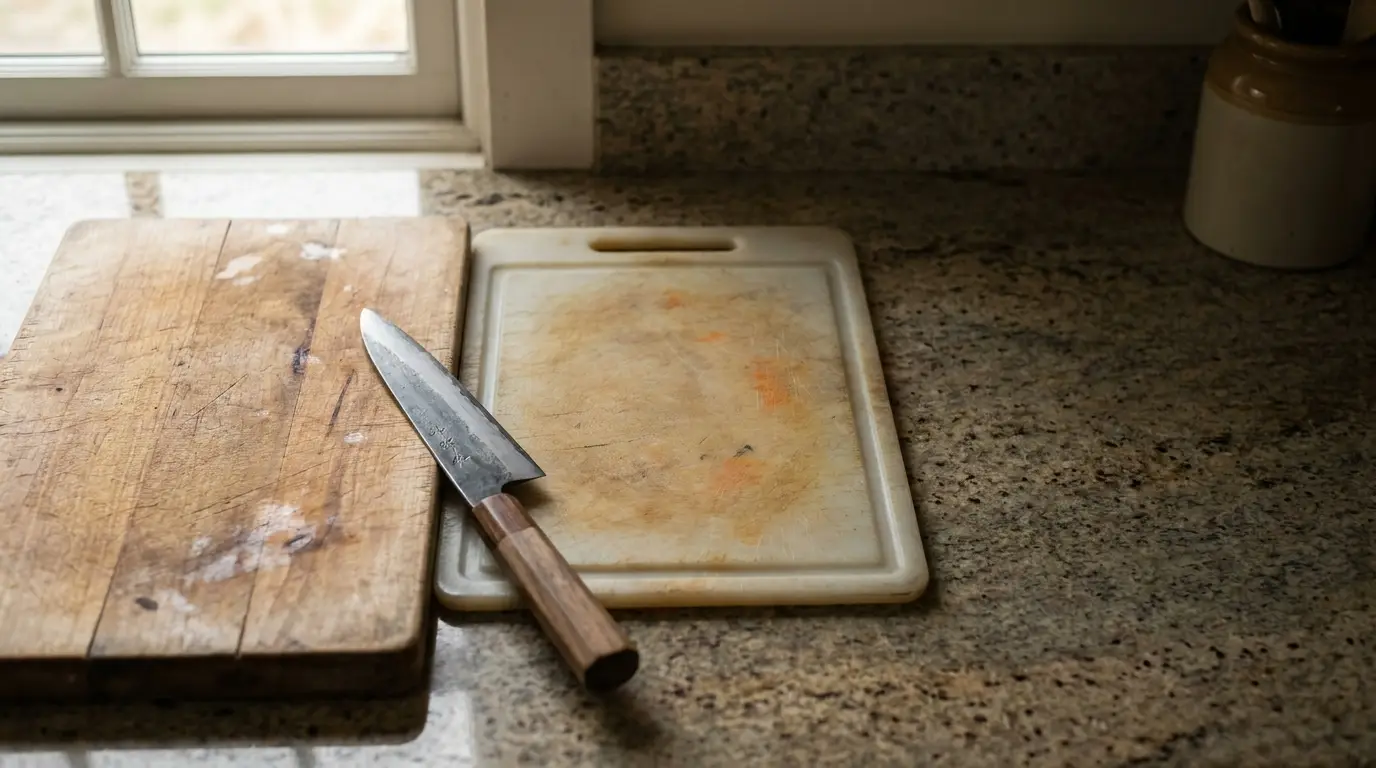
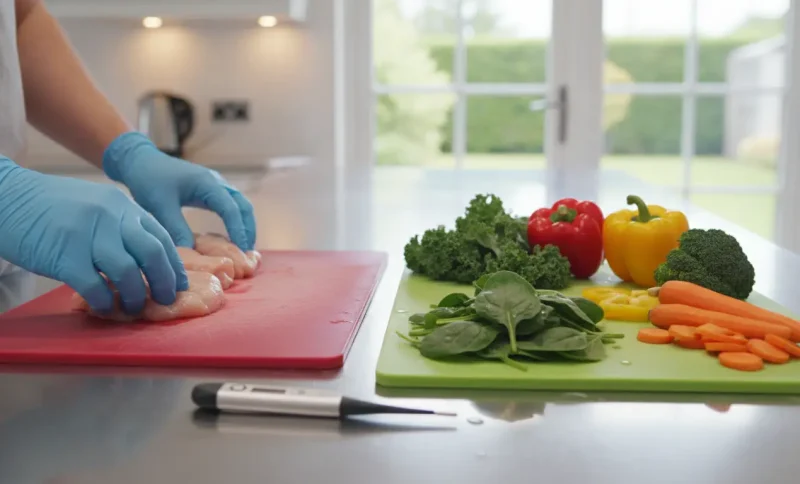
One of the most classic, sneaky mistakes you can make while prepping dinner is cross-contamination. It’s an invisible process where bacteria jump from an infected food – usually raw meat – straight over to something that’s already ready to eat. This hygiene shortcut happens way too easily if you use the same wooden cutting board or knife to slice up raw chicken breasts, and then immediately turn around and chop your salad greens without giving your tools a heavy scrub first.
To zero out this risk, you need to get used to separating your tools for different ingredients, or just deeply sanitize your hands and workspaces every single time you switch tasks. Also, reusable cloth dish towels can turn into absolute germ reservoirs. It’s a much better move to stick to disposable paper towels for drying your hands and counters after handling fresh meat.
The Real Rules of Fridge Organization
Given that Salmonellosis has a big impact on public health risk, knowing how you arrange things inside your fridge directly impacts how fast bacteria can grow. You need to keep your fridge dialed in below 40°F (4°C). The cold won’t outright kill Salmonella, but it completely freezes its ability to multiply and take over.
Raw foods should always be locked away in clean, airtight containers or wrapped tightly in plastic, and you always want them on the very bottom shelves. This stops any stray juices or blood from dripping onto cooked leftovers or cheese stored below them. Also, avoid stuffing the shelves like a game of Tetris. Overloading blocks the cold air from circulating right, creating dangerous warm pockets where bacteria can suddenly wake back up.
Blasting the Bug With Heat and Handling Leftovers
The only foolproof way to completely kill off Salmonella and make your food safe is to just blast it with heat. But you have to make sure that heat actually makes it all the way to the center of whatever you’re cooking. To be totally safe, you want the thickest part of the food to hit 158°F (70°C) for at least two minutes. It’s super easy to check this if you just buy a cheap digital probe thermometer.
If you’re cooking for anyone with a weaker immune system (like little kids, pregnant women, or grandparents) you should probably just skip rare meats and runny egg yolks altogether. Finally, once everyone is done eating, do not let cooked food sit out on the counter for more than two hours. Get it into the fridge quickly. And when you go to eat it the next day, make sure you heat those leftovers up until they’re piping hot to destroy any bacterial nastiness.