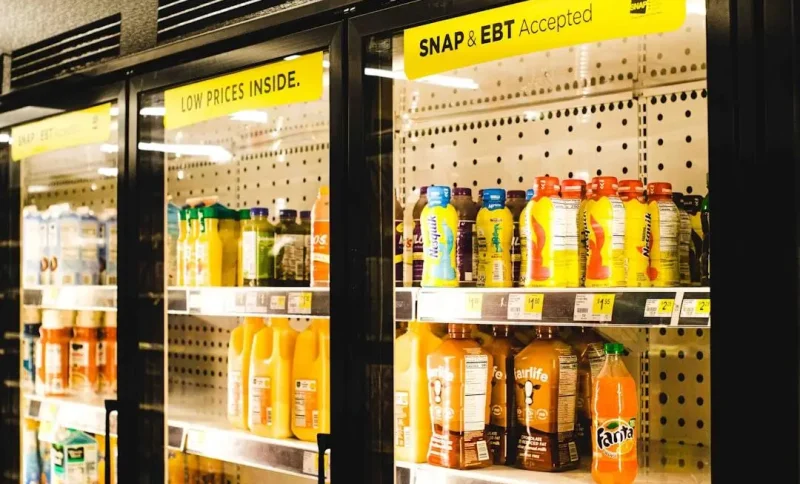
There is a reason cafes and delis show off their food behind glass. A display fridge turns fresh ingredients and cold drinks into something you actually want to reach for. More home foodies are bringing that same appeal into their own kitchens and small food businesses.
If you have ever eyed one, it helps to know what you are buying. A durable Display Glass door fridge is a real investment, so the details matter. This guide covers what these fridges do well, how to keep food safe in one, and how to choose.
Why Would a Foodie Want a Display Fridge?
Because visibility changes how you use food. When you can see it, you plan around it and waste less of it.
A display fridge is a refrigerator with a transparent door built to show its contents clearly. It suits home entertainers, home bakers, and small food sellers alike. Much like the best kitchen appliances food lovers use, it earns its space by making daily cooking easier and more enjoyable.
The appeal is practical, not just pretty. A drinks station for guests or a tidy display of prepped ingredients keeps everything within easy reach.
What Features Actually Matter?
More than looks. A good display fridge balances presentation with real performance.
The important features are these 5:
- Temperature control. Steady, adjustable cooling.
- Glass quality. Insulated doors that resist fogging.
- Lighting. Clear, even interior light.
- Shelving. Adjustable racks for odd-shaped items.
- Build quality. A durable frame and reliable seals.
Each one affects daily use. A fridge that fogs up or cannot hold temperature defeats the whole purpose of a display.
How Important Is Temperature Consistency?
It is the whole ballgame for safety. A pretty fridge that runs warm is a food-safety problem, not a feature.
Refrigeration slows the bacteria that spoil food and cause illness. The FDA guidance on safe fridge temperatures is clear that the interior should stay at or below 40 degrees Fahrenheit. A quality display fridge holds that even with a glass door and frequent opening.
How Do You Keep Food Safe in a Display Fridge?
The same rules apply, with a little extra care. Glass doors and open access make good habits matter more.
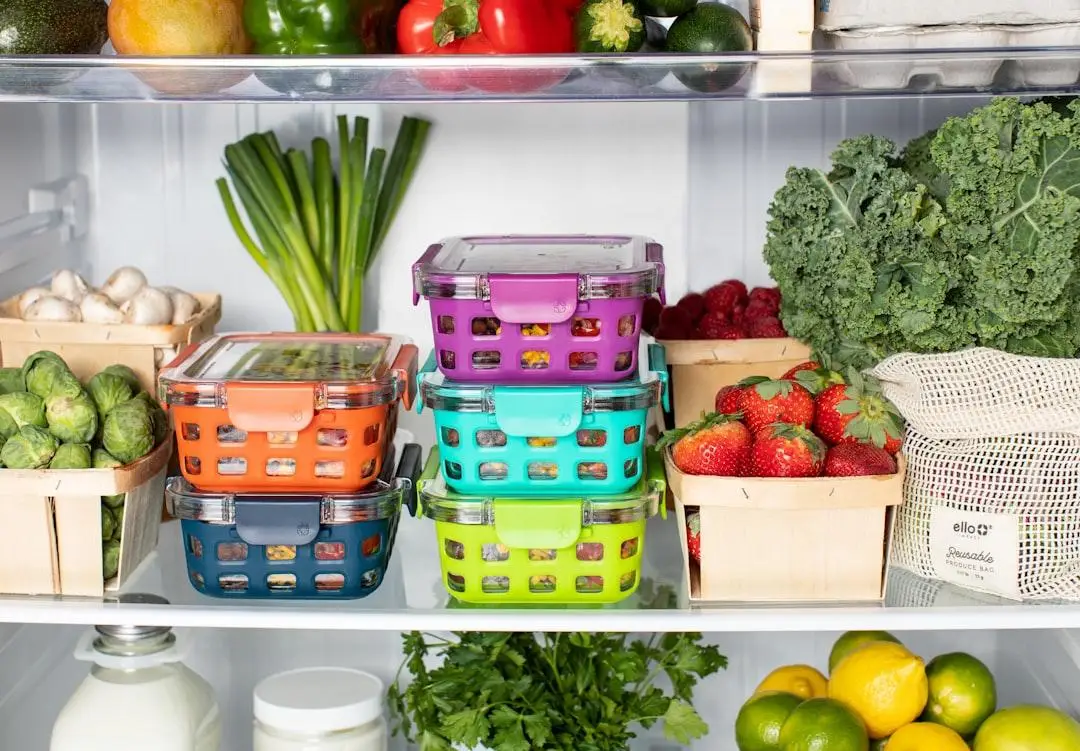
Keep the fridge at or below 40 degrees, and do not leave perishables in the danger zone between 40 and 140 degrees for more than 2 hours. The CDC food safety basics reinforce simple habits like prompt chilling and avoiding cross-contamination. Smart organization helps too, and the same logic behind storing your favorite foods applies inside a display unit.
|
Habit |
Why it matters |
|---|---|
|
Hold at 40 degrees or below |
Slows spoilage bacteria |
|
Limit door-open time |
Keeps temperature stable |
|
Store raw items low |
Prevents drips and cross-contamination |
|
Use a fridge thermometer |
Confirms the real temperature |
|
Rotate stock |
Uses older items first |
The theme is consistency. A display fridge only shows off food that has been kept safe first.
How Do You Choose the Right One?
Match the fridge to your real use. Size, capacity, and setting decide which model fits.
Think about where it will live, how much it needs to hold, and whether it is for home or light commercial use. A durable, well-sealed unit costs more upfront but runs efficiently and lasts. Buy for the way you actually cook and entertain, not for the largest model on the floor. A fridge that fits your routine gets used every day, while an oversized one simply wastes energy and space in the kitchen.
What to Remember
- A display fridge makes food visible, so you waste less.
- It suits home entertainers, bakers, and small sellers.
- Temperature control matters more than good looks.
- Keep the interior at or below 40 degrees Fahrenheit.
- Do not leave perishables out longer than 2 hours.
- Choose a durable unit sized to your real needs.
A Fridge Worth Showing Off
A glass door display fridge is one of those upgrades that is equal parts practical and fun. It keeps your favorite ingredients and drinks visible, organized, and ready, whether you are hosting friends or running a small food venture. Just remember that presentation always comes second to safety: hold a steady cold temperature, keep good habits, and choose a quality unit. Do that, and it becomes the hardest-working, best-looking appliance in the room.
Frequently Asked Questions
What Temperature Should a Display Fridge Be Set To?
Food safety guidance recommends keeping any refrigerator, including a glass door display model, at or below 40 degrees Fahrenheit. That temperature slows the growth of bacteria that spoil food and cause illness. Because these fridges have glass doors and open often, it is worth using a separate fridge thermometer. That confirms the real interior temperature rather than trusting the dial.
Are Glass Door Display Fridges Good for Home Use?
They can be excellent for home foodies who entertain, bake, or simply like their ingredients and drinks visible and organized. The transparency encourages you to use what you have, reducing waste. The main considerations are size, energy efficiency, and whether the unit is built for home or light commercial use. A quality model with good insulation and seals performs well in a home kitchen without excessive running costs.
How Long Can Food Sit in the Temperature Danger Zone?
Perishable food should not stay in the danger zone, between 40 and 140 degrees Fahrenheit, for more than two hours total. In that range, bacteria multiply quickly. This is why a display fridge must hold a steady cold temperature and why you should chill leftovers and prepped items promptly. If food has been out longer than two hours, it is safest to discard it rather than risk illness.
What Should I Look for When Buying a Display Fridge?
Prioritize reliable temperature control, insulated anti-fog glass, even interior lighting, adjustable shelving, and solid build quality with good door seals. Match the capacity and footprint to your space and whether you need home or light commercial performance. A durable, well-sealed unit costs more initially but runs efficiently and lasts, making it better value for anyone who cooks often.