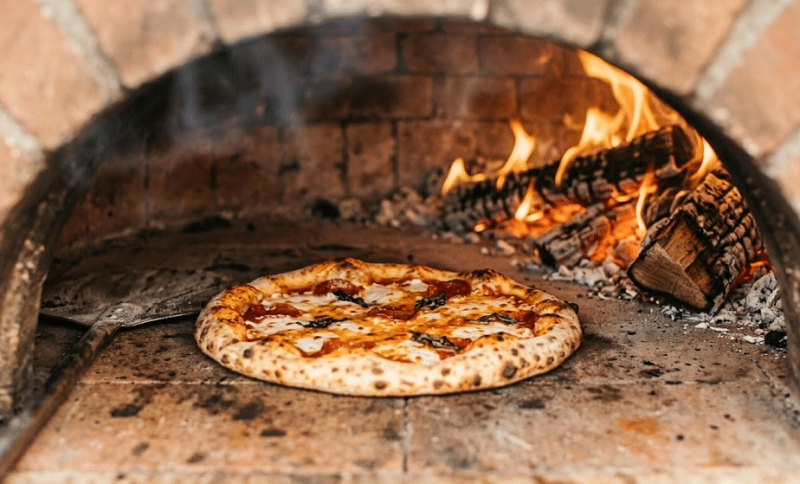
The first time I cooked over real wood instead of gas, I couldn’t believe the difference. The smell alone pulled everyone out to the backyard before the food was anywhere close to ready. There’s something about wood smoke that turns an ordinary dinner into an event, and once you taste it, it’s hard to go back.
If you’ve been curious about wood-fired cooking but feel a little intimidated about where to start, this one’s for you. I’m going to walk you through why the wood itself matters so much, which types give you the best flavor, and how to pick wood that actually performs instead of frustrating you all afternoon.
Why the Wood You Cook With Matters
Here’s the thing nobody tells you when you’re starting out: the wood is an ingredient. Just like you wouldn’t cook with rancid oil or stale spices, you don’t want to cook with wet, low-quality wood. The moisture trapped inside the wood is the single biggest factor in how it burns and how your food turns out.
Freshly cut or air-dried wood can still hold a surprising amount of water inside, sometimes 20% or more. That extra moisture makes the wood hard to light, throws off thick, dirty smoke, and leaves your food tasting sooty and bitter instead of giving you that clean, smoky flavor you’re after.
This is exactly why I switched to kiln-dried wood for all of my outdoor cooking, and I’m not going back.
Kiln-Dried vs Seasoned: The Difference You Can Taste
Kiln-dried wood is dried in a controlled kiln down to a very low moisture level, usually under 15%. Seasoned wood is simply left outside to dry on its own, which is slower, far less consistent, and never gets as dry.
What does that actually mean for you at the grill or oven?
- It lights fast. No more crouching over your fire pit with a lighter for twenty minutes.
- It burns hotter and cleaner, which means better char and less acrid smoke.
- It’s consistent every single time, so you’re not playing guessing games mid-cook.
- It’s far less likely to bring pests or mold home with it, which matters a lot if you store wood near the house.
I get my cooking wood from Best Burn Firewood Chicago, and their kiln-dried wood comes in under 15% moisture. Honestly, that one switch did more for my backyard cooking than any gadget I’ve bought.
Pro Tip: If your wood hisses, sizzles, or sputters when it hits the fire, that’s trapped moisture escaping. Properly kiln-dried wood catches almost immediately and burns steady.
The Best Types of Wood for Cooking
Different woods bring different flavors, so here are my go-to hardwoods and what they pair with best.
Oak
The all-rounder. Oak gives a medium, steady smoke that works with just about everything, from beef and pork to roasted vegetables. If you’re brand new to this, start with oak and you really can’t go wrong.
Hickory
Bold and almost bacon-like. Hickory is the classic barbecue wood for ribs, pork shoulder, and brisket. A little goes a long way, so don’t overload it or it can turn your food bitter.
Cherry
Sweet, mild, and gorgeous. Cherry adds a gentle fruitiness and a beautiful reddish color to poultry and pork. It’s lovely mixed with a stronger wood like hickory.
Maple
Subtle and a touch sweet. Maple is wonderful for chicken, fish, and even vegetables and cheese when you want flavor without overpowering the dish.
Pro Tip: Steer clear of softwoods like pine and cedar for cooking. They’re full of resin and sap that create harsh smoke and can leave your food tasting unpleasant.

Wood-Fired Pizza and Ovens
If a wood-fired oven is on your wish list, kiln-dried hardwood is non-negotiable. These ovens need to reach blistering temperatures, often around 700°F, and only dry, dense hardwood will get you there quickly while keeping the smoke clean. Oak is my favorite for pizza nights because it holds heat beautifully and doesn’t fight with the toppings.
Grilling and Smoking

For grilling, you can cook directly over wood embers or simply add a few chunks to your charcoal for flavor. For low-and-slow smoking, hardwood splits or chunks are the way to go because they burn long and steady. In both cases, the secret is the same: start with dry, clean-burning wood so the smoke enhances your food instead of ruining it.
Where to Get Good Cooking Wood
This is where a lot of home cooks go wrong. The bundles at the gas station are usually damp, random species, and wildly overpriced for what you get. It’s worth sourcing real kiln-dried hardwood from an actual firewood supplier. A lot of the wood-fired restaurants I love source their cooking wood exactly this way, from suppliers like Best Burn Firewood, and there’s no reason your backyard can’t get the same quality they do.
Pro Tip on storage: Keep your cooking wood up off the ground, covered on top but open on the sides so air can circulate. Kiln-dried wood stays ready to burn as long as you keep it dry.
Final Thoughts
Cooking with wood is one of those upgrades that sounds fancy but is genuinely simple once you’ve got the right wood in hand. Start with a clean-burning hardwood like oak, keep it dry, and let the flavor do the work. Your weekend cookouts will never be the same, and I promise your guests will notice.