








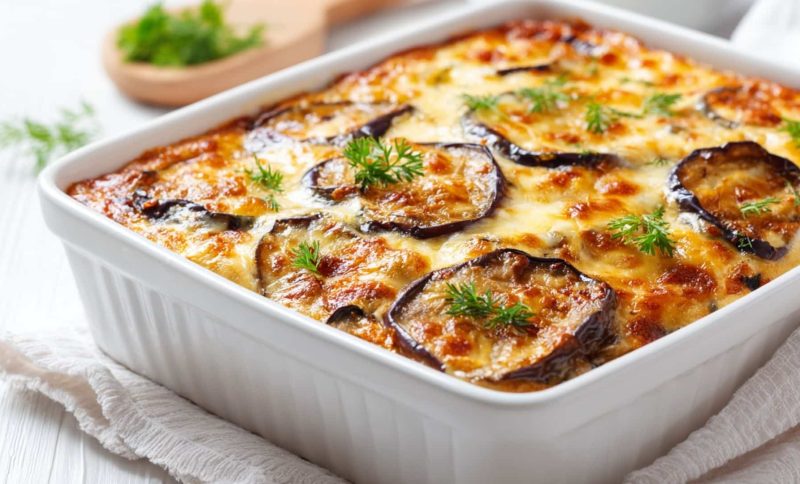
There’s something wonderful about pulling a hot eggplant casserole out of the oven. The smell fills your kitchen, the cheese bubbles on top, and you know dinner is going to be good.
This dish has everything you want in comfort food: it’s filling, flavorful, and universally loved. Perfect for weeknight meals, potlucks, or busy days when you need to prepare ahead.
Eggplant casserole is incredibly versatile. Make it cheesy with mozzarella and parmesan, add ground beef for a protein-packed meal, or keep it vegetarian with just vegetables, sauce, and cheese.
Below, you’ll find one main recipe and a few tasty variations with helpful tips to make each version turn out perfectly, whether you’re feeding meat lovers or keeping it meatless.
What Makes a Great Eggplant Casserole?
Before you start cooking, it helps to understand what makes this dish work so well. Getting the basics right means your casserole will turn out delicious every time. These core principles stay the same whether it’s a simple, cheesy version or one with meat.
A good eggplant casserole starts with properly prepared eggplant. Slice it evenly into half-inch-thick slices. Some cooks roast the slices first, while others layer them raw and let everything cook together.
The sauce holds your casserole together. Tomato sauce is the most common, but cream sauce or beaten eggs also work. Cheese adds richness and that melty texture everyone loves.
Layering creates structure. Alternate between eggplant, sauce, and cheese, layering them like lasagna. Toppings add a golden finish; try using cheese, breadcrumbs, or herbs.
Ingredients You’ll Need
|
Let’s Create This Cheesy Eggplant Casserole
These simple steps help you build layers of flavor and achieve perfectly roasted eggplant slices with beautifully melted cheese.
1. Prepare the Eggplant
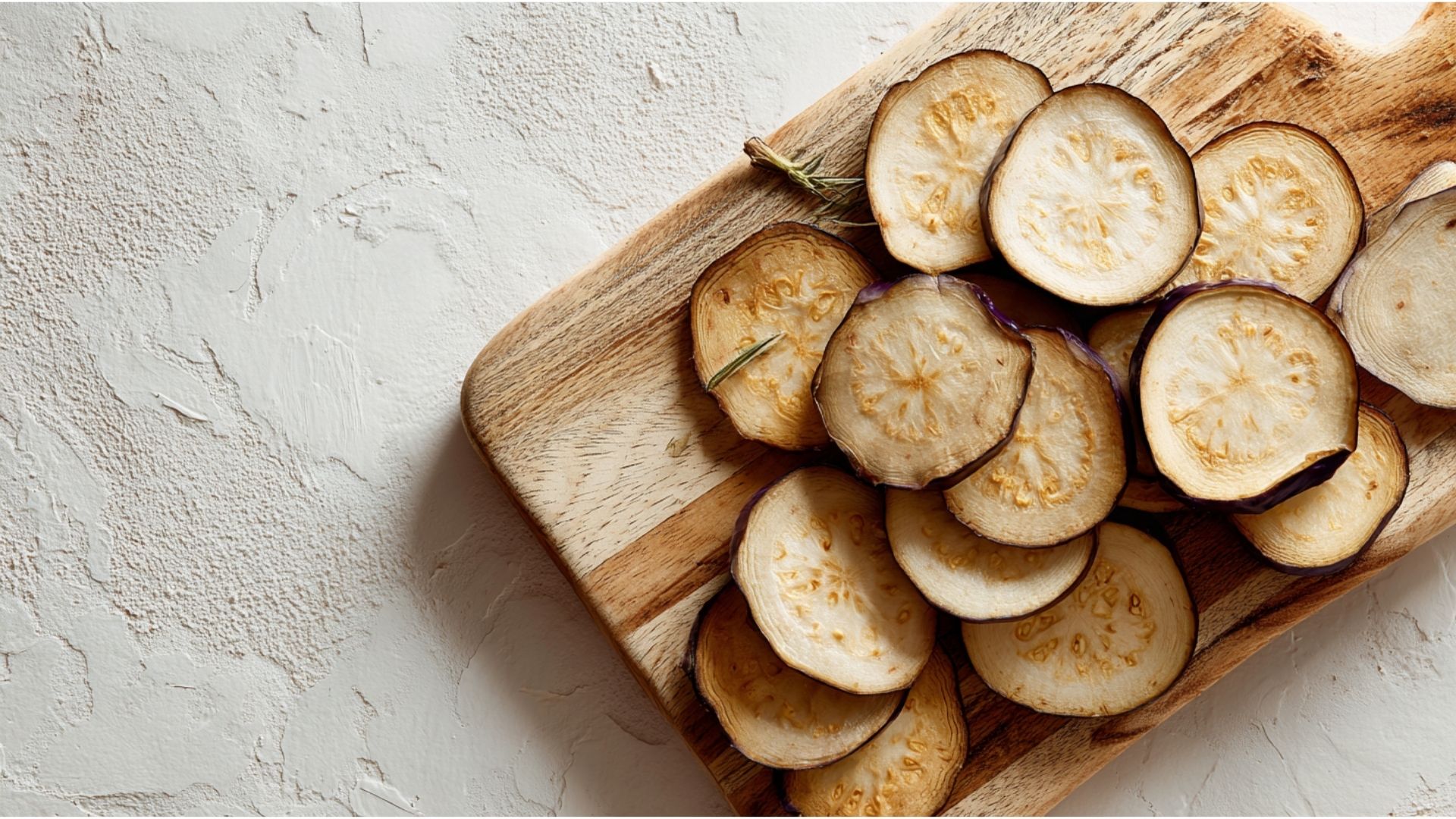
Start by preparing your eggplant using the salting method. Slice your eggplant into rounds about half an inch thick.
Lay the slices on a cutting board and sprinkle both sides generously with salt.
Let them sit for 30 minutes while the salt draws out moisture and bitter flavors. After 30 minutes, rinse the slices thoroughly under cold water to remove the salt, then pat them completely dry with paper towels.
Pro Tip: Use younger, smaller eggplants if possible; they’re less bitter and have fewer seeds.
2. Roast the Eggplant Slices
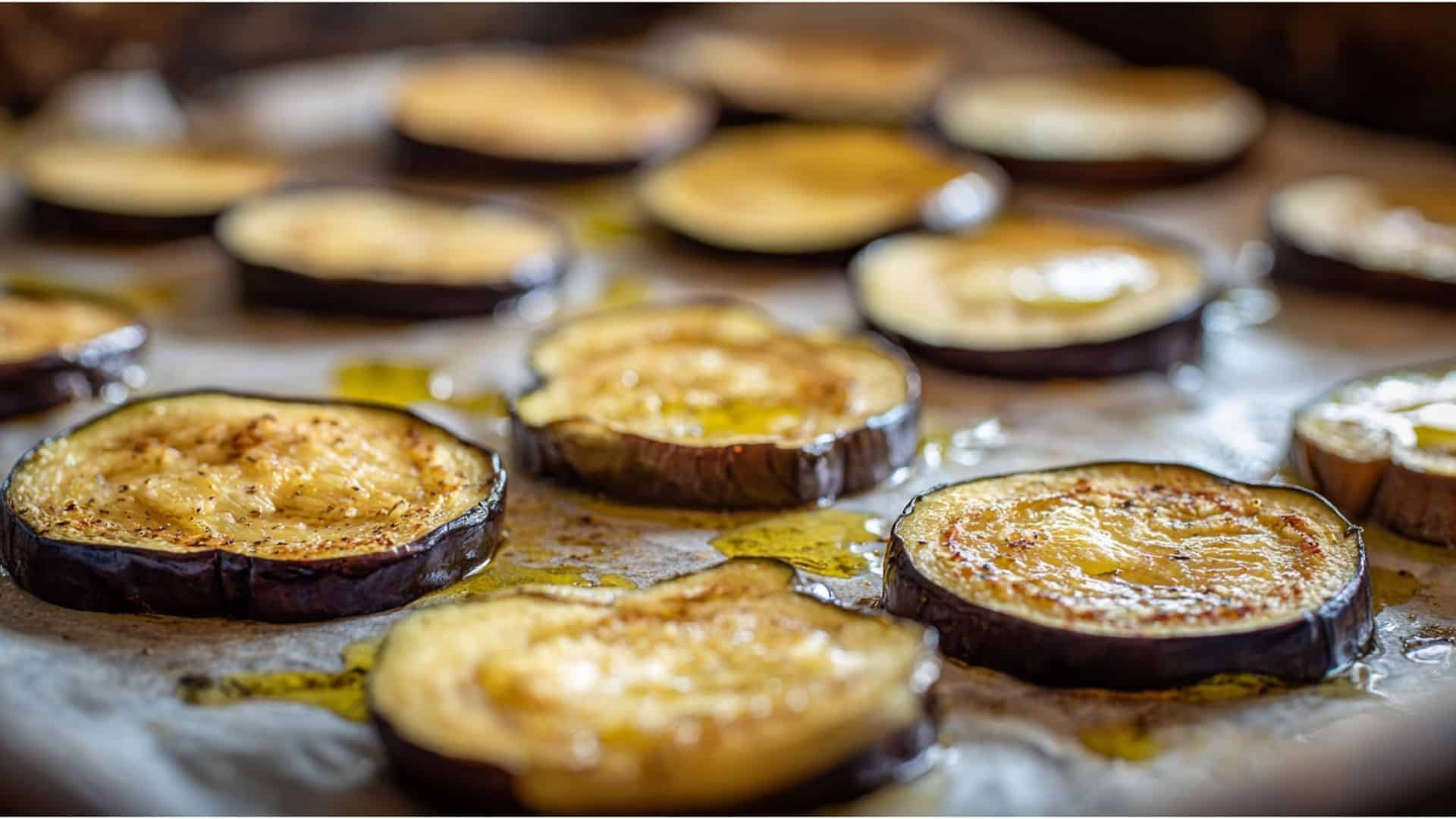
Preheat the oven to 400°F. Brush each eggplant slice with olive oil on both sides; this helps them brown nicely and prevents them from drying out.
Arrange the slices on baking sheets in a single layer, without overlapping, or they’ll steam rather than roast.
Place the sheets in the preheated oven at 400°F and roast for 20 minutes. The slices should be tender when pierced with a fork and have golden brown edges. After roasting, lower the oven to 375°F for baking.
Pro Tip: For an extra flavor boost, sprinkle the oiled eggplant slices with garlic powder, Italian seasoning, or a pinch of red pepper flakes before roasting.
3. Prepare Your Baking Dish
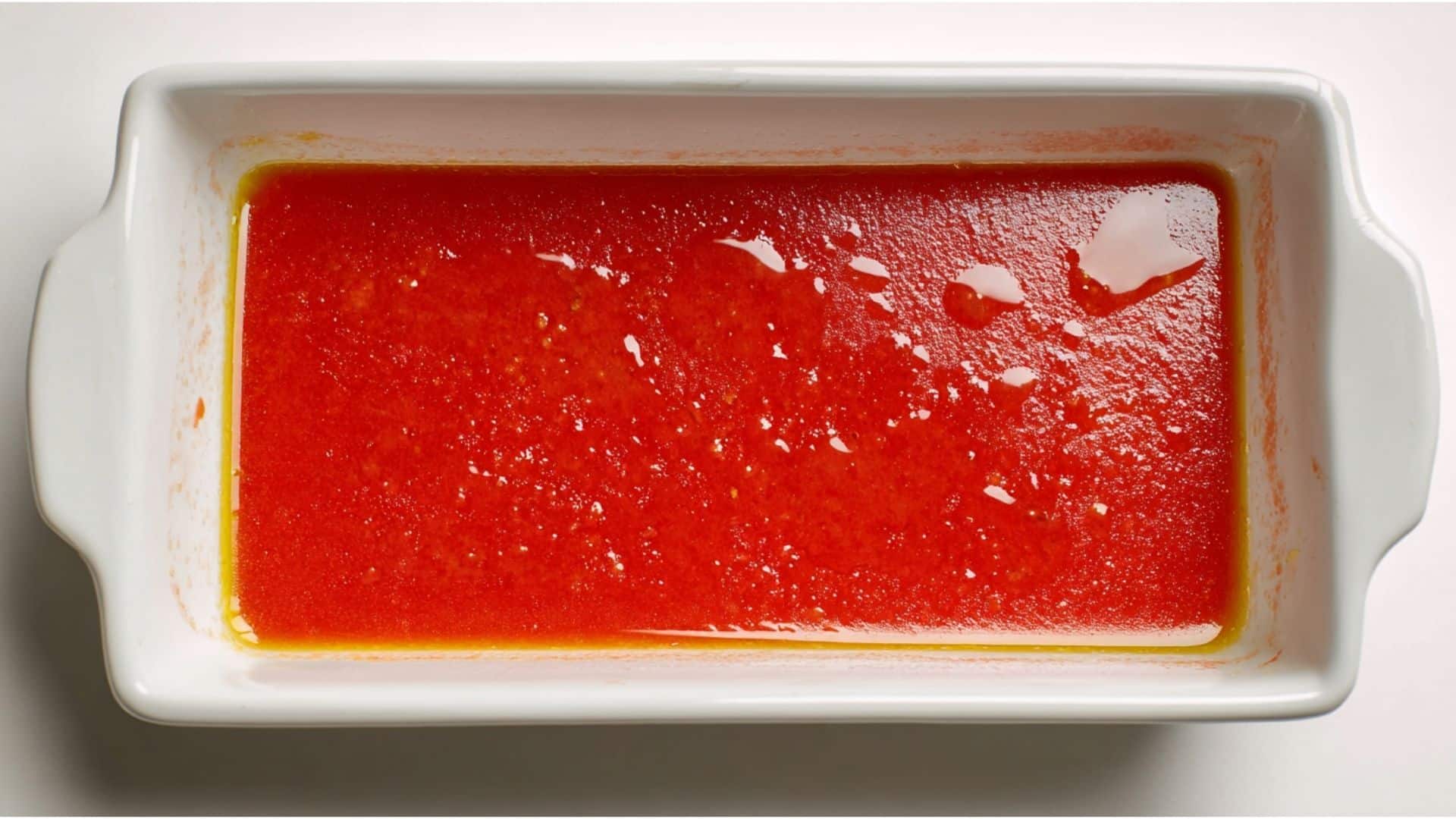
Take a 9×13-inch baking dish and lightly grease it with cooking spray or olive oil.
Spread a thin layer of marinara sauce on the bottom, about half a cup. This prevents sticking and adds flavor to every layer.
Pro Tip: If your sauce is too thick, thin it with a tablespoon of water to make it spread easily between layers.
4. Build the Layers
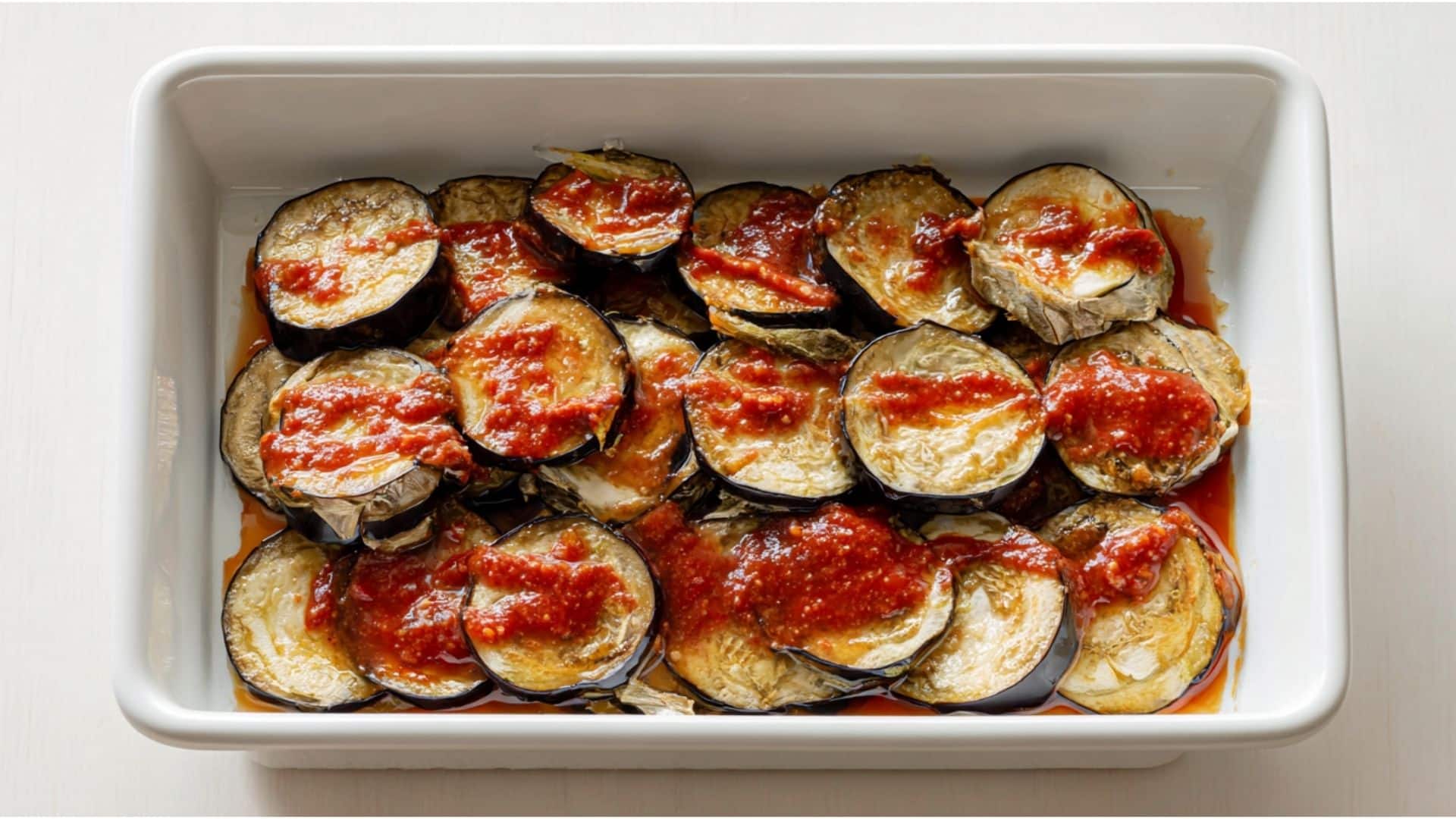
Add your first layer of roasted eggplant slices, covering the sauce completely.
Spread about a cup of sauce over the eggplant. Sprinkle a generous amount of shredded mozzarella and grated parmesan over the sauce.
Repeat these layers of eggplant, sauce, and cheese until you’ve used all your ingredients. End with a thick layer of cheese on top.
Pro Tip: Save your best looking eggplant slices for the top layer and use broken pieces in the middle.
5. Add the Topping
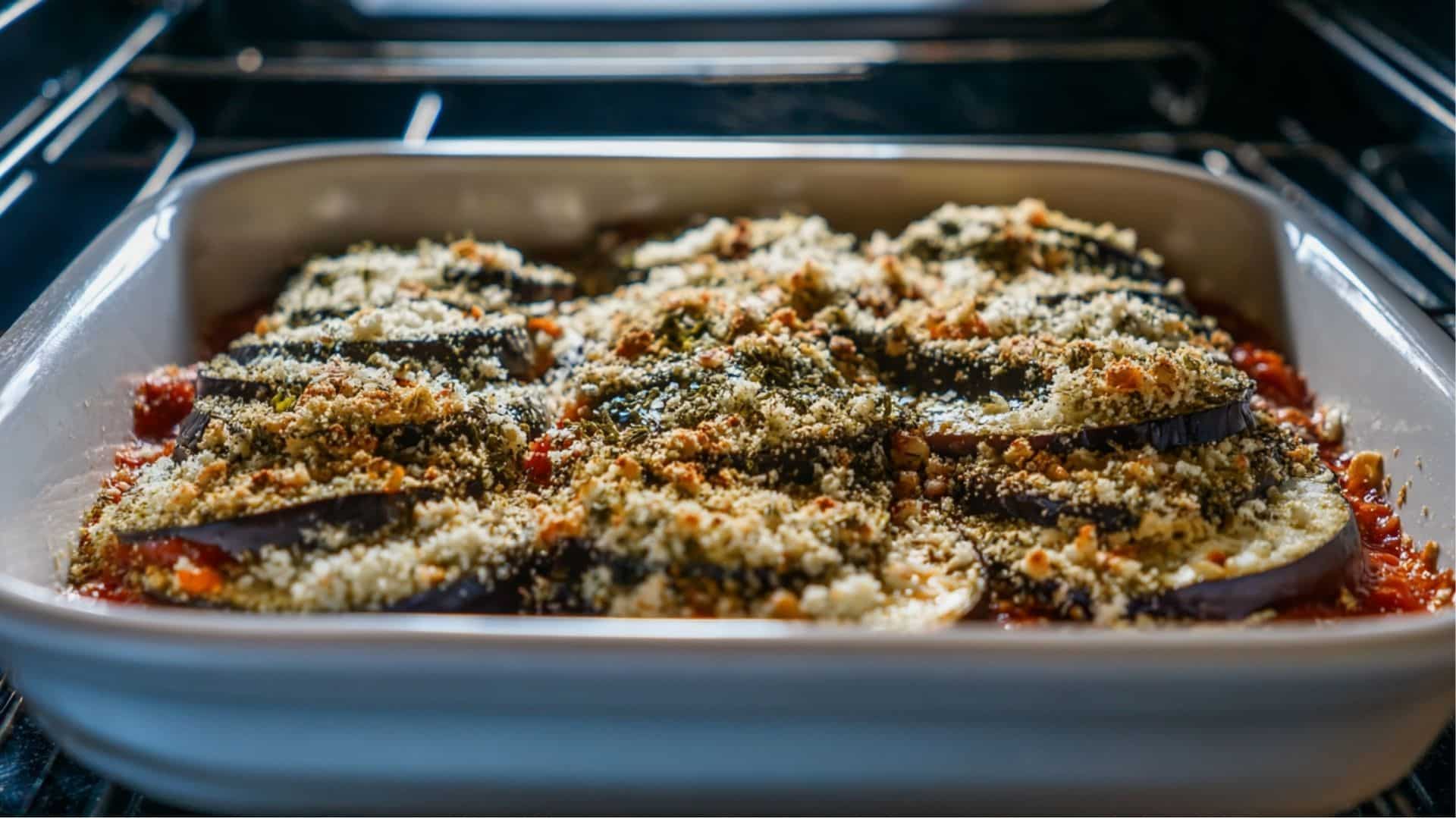
Mix one cup of breadcrumbs with two tablespoons of olive oil and a teaspoon of dried herbs, such as basil or oregano.
You can also add a pinch of garlic powder. Sprinkle this mixture evenly over the top layer of cheese. This creates a golden, crunchy crust.
Pro Tip: Mix in a few tablespoons of parmesan with your breadcrumbs for extra crispiness and flavor.
6. Bake the Casserole
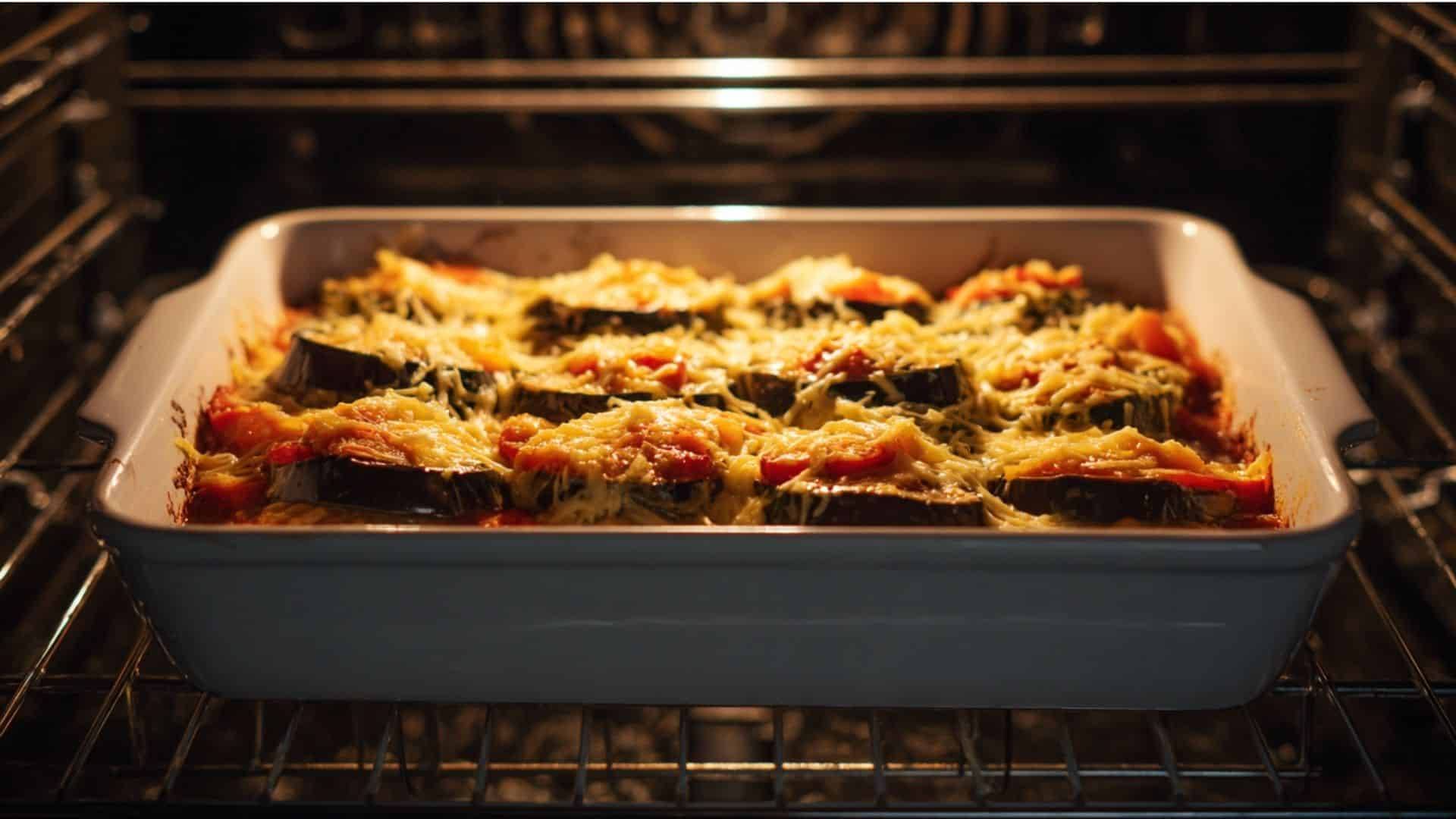
Cover your baking dish loosely with aluminum foil and place it in a preheated 375°F oven.
Bake for 25 minutes covered, then remove the foil and continue baking for another 10-15 minutes until the cheese is melted, bubbly, and golden brown.
For an even darker top, turn on your broiler for the last 2-3 minutes, watching closely.
Pro Tip: Place a baking sheet on the rack below to catch any drips and save yourself from oven cleanup.
7. Rest Before Serving
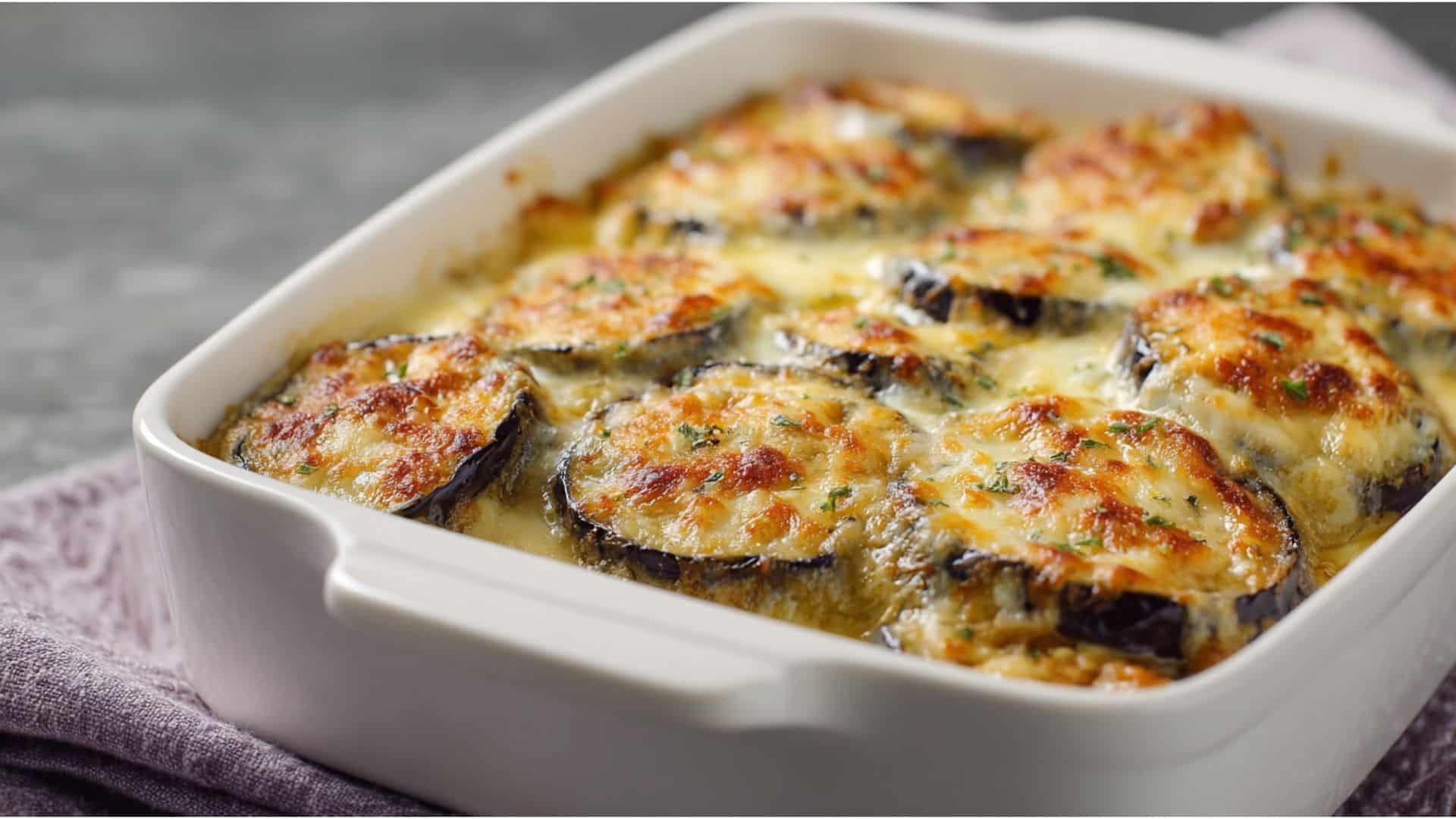
Remove the casserole from the oven and let it rest for 10 minutes before cutting.
This resting time allows the layers to set, so your slices hold together nicely. Use a sharp knife to cut portions, wiping the blade between cuts for neat slices.
Pro Tip: For dinner parties, let it rest up to 20 minutes; it stays hot and slices even more cleanly.
Recipe Notes
| Information | Details |
|---|---|
| Prep Time | 25 minutes |
| Cook Time | 55-60 minutes |
| Total Time | 1 hour 40 minutes |
| Category | Main Dish |
| Method | Baking |
| Cuisine | American-Italian |
| Yield | 6-8 servings |
Popular Eggplant Casserole Variations to Try
One of the best things about eggplant casserole is how easy it is to change. A few minor tweaks can take it from classic Italian to hearty Southern comfort, or even a light vegetarian meal.
1. Eggplant Casserole with Ground Beef
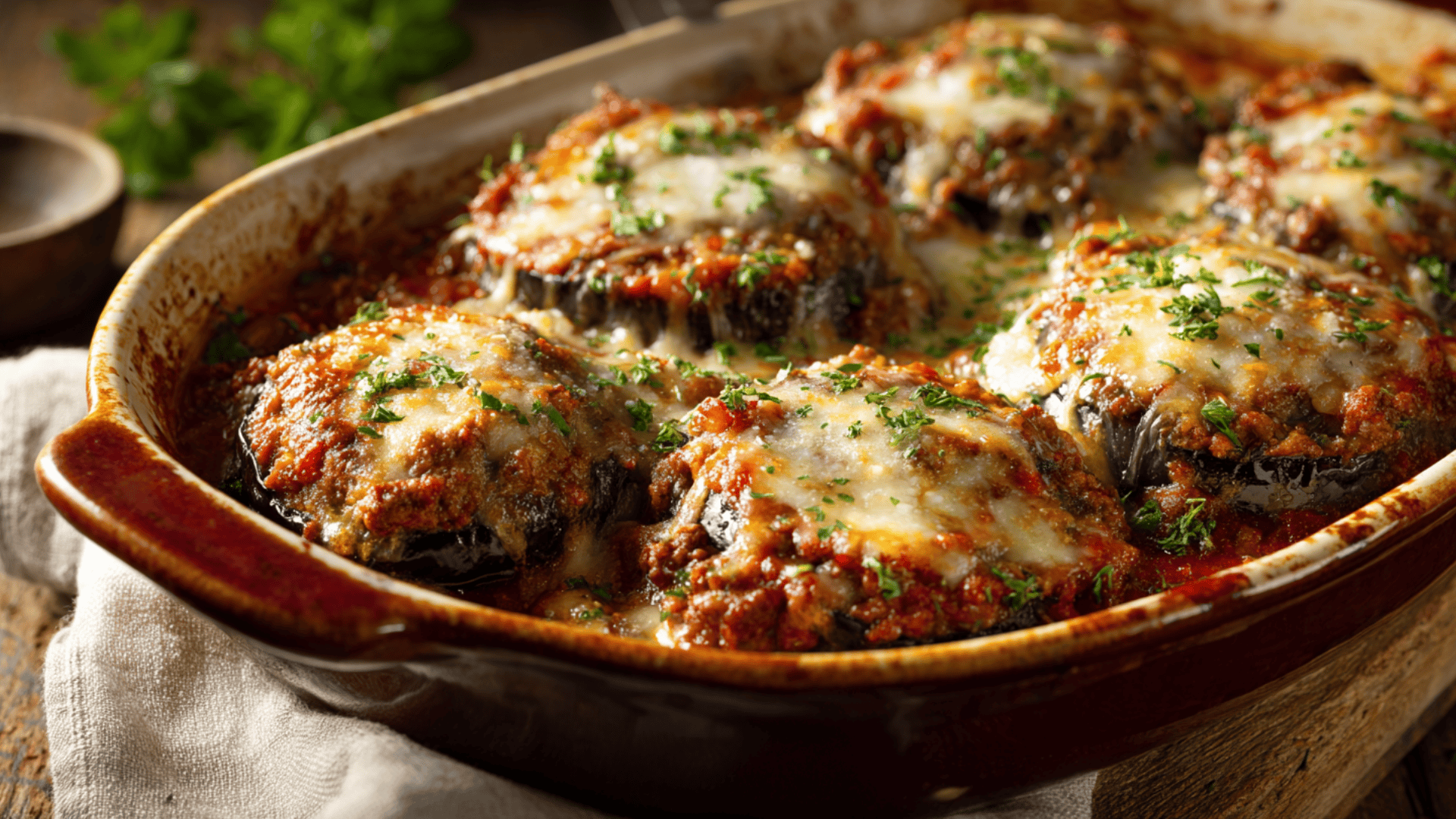
Add cooked, seasoned ground beef (or turkey) to the layers for a protein-packed meal that satisfies meat lovers. Brown one pound of ground meat in a skillet, then add diced onions and minced garlic.
Season with Italian herbs like basil, oregano, and thyme, plus salt and pepper. Stir in a cup of tomato sauce to make it more flavorful.
Layer this seasoned meat between the eggplant slices and sauce. The meat adds richness and makes the dish filling enough for a complete dinner.
2. Mediterranean Moussaka-Style Twist
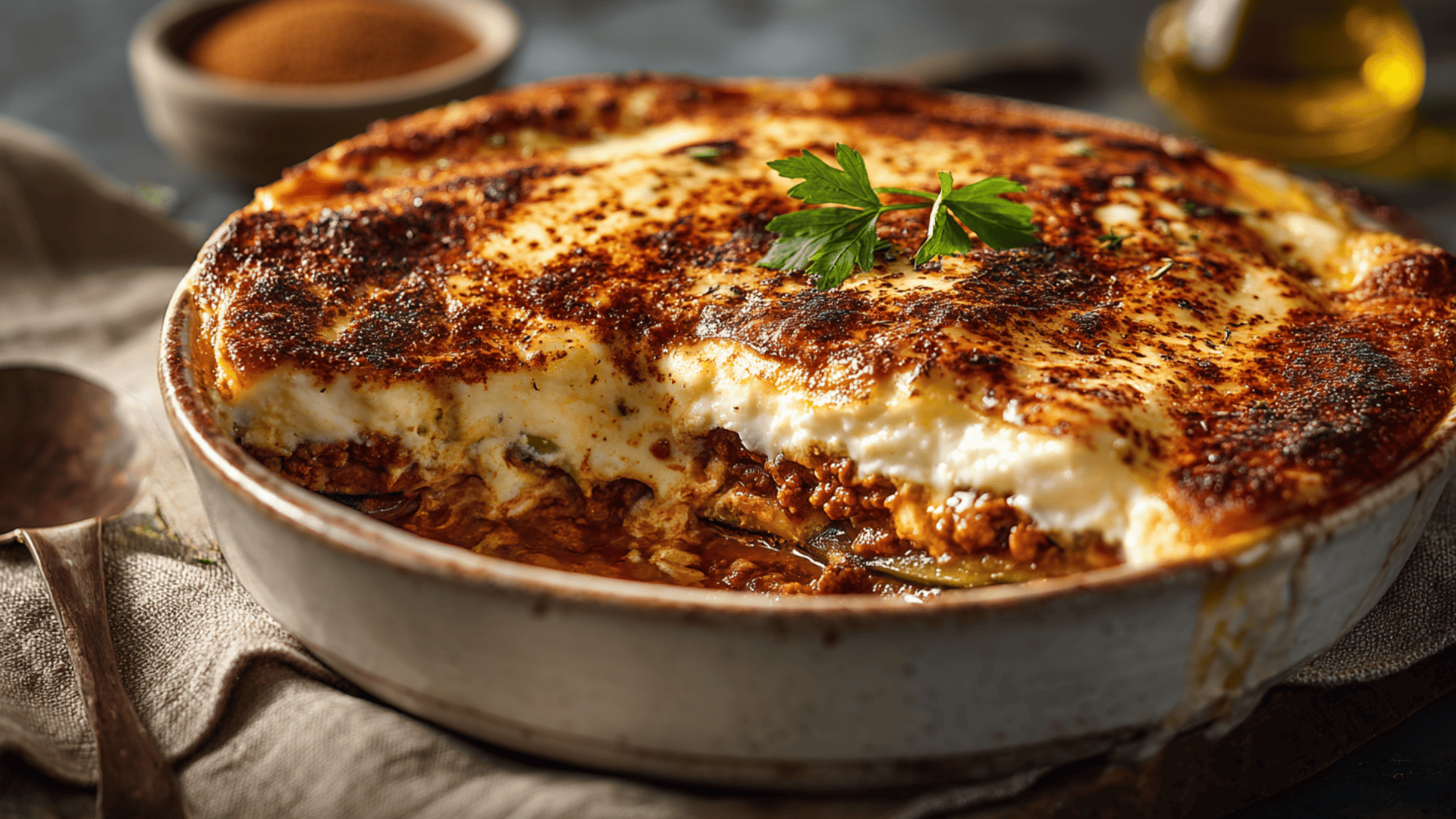
Inspired by Greek cooking, this version tops your casserole with a creamy béchamel sauce made from butter, flour, and milk.
The special touch comes from warm spices; add cinnamon and nutmeg to your meat sauce or béchamel.
These spices give moussaka its authentic Greek flavor. Pour the béchamel sauce over the layered eggplant and meat, then bake until golden brown.
3. Vegan or Dairy-Free Version
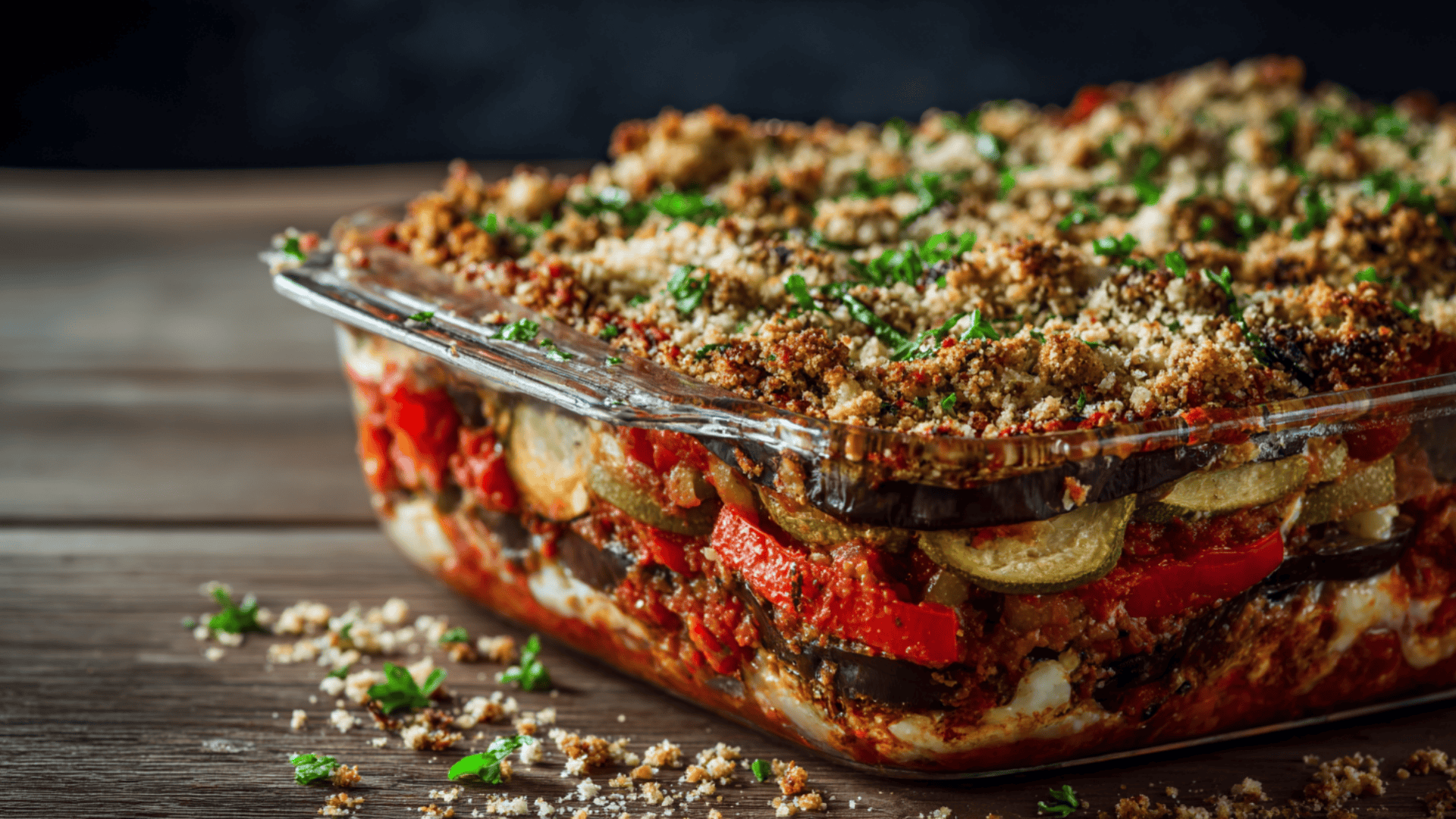
Use vegan mozzarella and Parmesan alternatives for a plant-based option.
Instead of breadcrumbs, try crushed nuts, such as almonds or walnuts, for the topping. You can also add more vegetables, such as zucchini, bell peppers, and mushrooms.
4. Southern Comfort Casserole
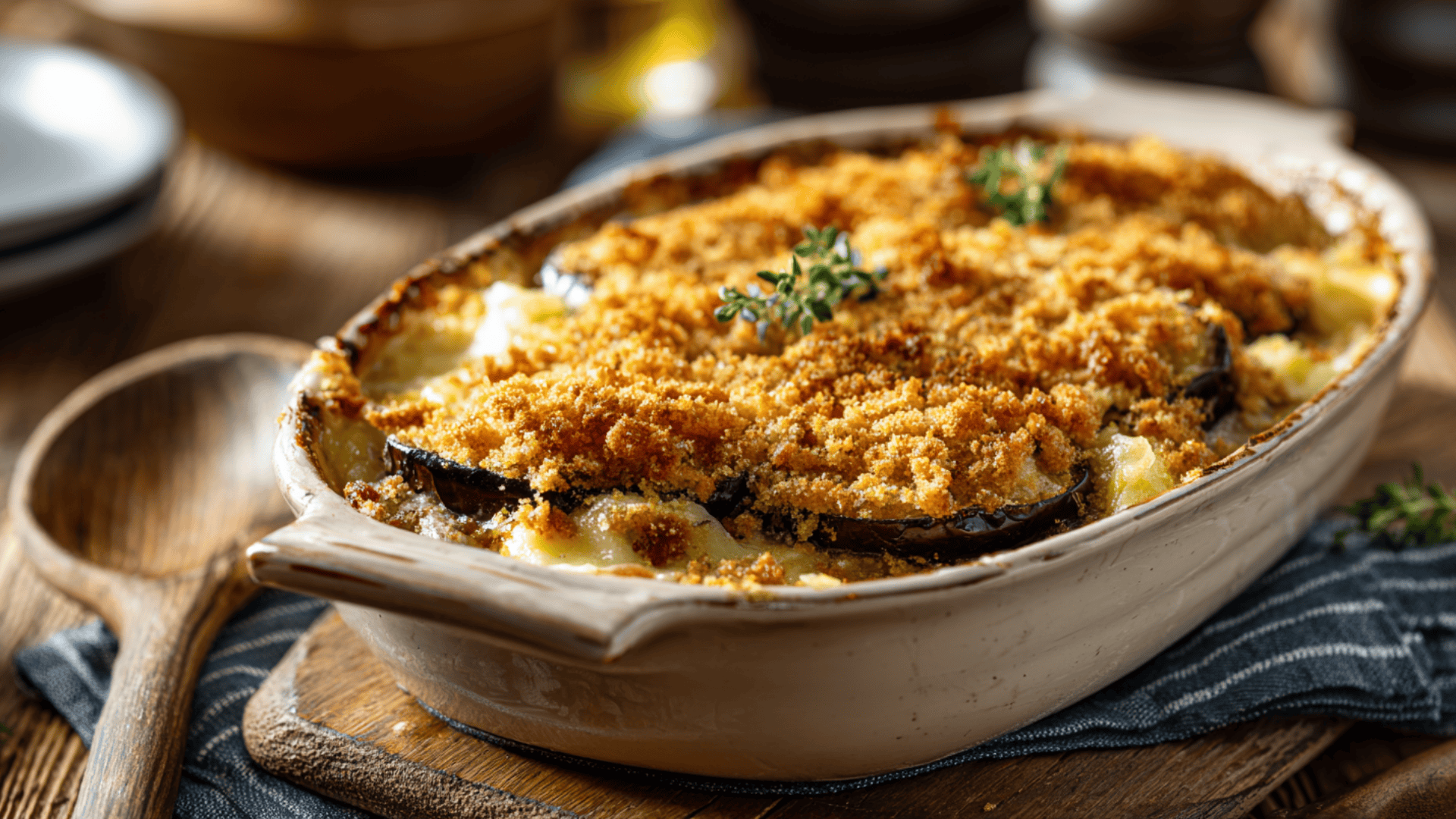
Cook the eggplant until it is very soft, then mash it. Mix with beaten eggs, shredded cheese, and crushed crackers or stuffing mix.
This creates a firm, custardy texture when baked. Top with more cracker crumbs and butter, then bake until set and golden.
Tips for Perfect Eggplant Casserole
These simple tips will help you avoid common mistakes and ensure your eggplant casserole turns out delicious every single time.
- Salt your eggplant first – Sprinkle slices with salt and let sit for 30 minutes to draw out moisture and bitterness. Rinse and pat dry.
- Choose younger eggplants – Smaller eggplants have fewer seeds, thinner skins, and a sweeter, less bitter flavor.
- Roast instead of frying – Brush slices with olive oil and roast at 400°F until golden for tender results with less oil.
- Don’t skip the resting time – let the casserole rest for 10-15 minutes after baking so the layers set and the slices hold together.
- Layer like lasagna – Alternate eggplant, sauce, and cheese in even layers, ending with extra cheese on top for a golden finish.
- Make it ahead – Assemble up to 24 hours in advance, cover, refrigerate, and bake when ready for easy meal prep.
Follow these techniques, and you’ll create a perfectly layered, flavorful casserole that looks as impressive as it tastes.
Serving, Storage & Make-Ahead Tips
Serving Ideas: Eggplant casserole works well as both a main dish and a side. Serve it with garlic bread, a fresh green salad, or roasted vegetables for a complete meal.
Make Ahead: You can put your casserole together up to 24 hours before you need it. Cover it well and keep it in the refrigerator. When you’re ready to eat, just pop it in the oven and bake.
Freezing: Let the casserole cool all the way down first. Then freeze it in portions for up to 2 months. When you’re ready to eat, reheat at 350°F until it’s hot all the way through.
Leftovers: Keep any leftover casserole in a container with a tight lid. It will stay good in the fridge for up to 4 days.
Try This Recipe Tonight
Cooking is always more satisfying when a dish feels both effortless and rewarding, and this casserole delivers that kind of comfort every time.
With simple ingredients and room for creativity, it invites you to make it your own and enjoy the process as much as the result.
If you’re ready to bring something warm, inviting, and full of flavor to your table tonight, go ahead and give this recipe a try.
And if you found this helpful, share it with someone who loves homemade comfort food or save it for later so you can cook it again anytime.