






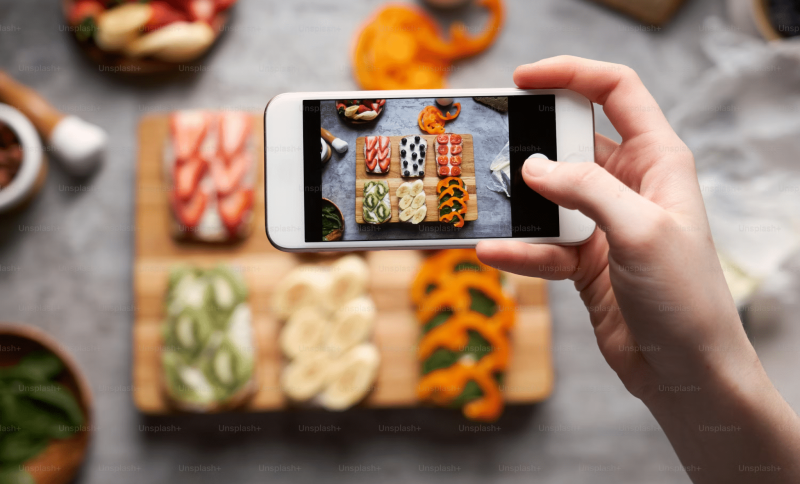
In the modern world, food is not just a necessity; it has become an experience, a cultural expression, and, for many, an art form. Among the many ways to celebrate this art, food photography has emerged as a powerful tool to tell stories visually.
A single photograph can capture not only the texture, color, and flavor of a dish but also its history, emotion, and cultural significance. Essentially, food photography is storytelling on a plate.
The Power of Visual Storytelling
Storytelling has always been a part of human communication. From ancient cave paintings to written narratives, stories help convey ideas, emotions, and experiences. Similarly, in food photography, every element of the frame—from lighting and composition to props and plating—works together to tell a story.
A photograph of a steaming bowl of ramen, for example, can evoke warmth, comfort, and the bustling streets of Tokyo. A plate of traditional Moroccan tagine may tell tales of spices, family gatherings, and centuries-old recipes. The food itself is the protagonist, but the way it is captured transforms it into a narrative that the viewer can feel and imagine.
Composition and the Language of Food
Just as writers use words to structure a story, food photographers use composition to guide the viewer’s eye. The placement of the main dish, supporting ingredients, and even negative space can create visual balance and highlight the essence of the dish. Leading lines, symmetry, and angles are all tools to help communicate mood and focus attention.
For instance, a top-down shot of a brunch spread can create a sense of abundance and leisure, while a close-up macro shot of a dessert can highlight intricate details, texture, and indulgence. Each choice in composition contributes to the story being told—whether it is casual, luxurious, nostalgic, or modern.
Lighting as Emotion
Lighting in food photography is more than just illumination; it is a storytelling device. Soft, natural light can convey freshness, purity, and calmness, while harsh, directional light may emphasize drama, contrast, and texture. The direction, intensity, and color of light all play a crucial role in evoking emotion.
Golden hour light streaming through a window can make a simple salad feel inviting and homey. Candlelight over a gourmet dinner can add romance and sophistication. Food photography, therefore, is not just about showing food—it is about creating a mood and an emotional response in the viewer.
Color and Cultural Context
Color is another important element in storytelling. It has the power to attract, influence, and communicate. Vibrant hues in a tropical fruit platter suggest energy, summer, and vitality. Earthy tones in a rustic bread board evoke warmth, tradition, and comfort.
Beyond aesthetic appeal, colors can also convey cultural meaning. Red spices in Indian curries, green herbs in Mediterranean dishes, or golden-brown pastries in French baking each carry specific cultural associations. A skilled food photographer knows how to use color to enhance the narrative behind each dish.
Props, Context, and Narrative Depth
While the food itself is central, props and context add layers to the story. Plates, utensils, linens, and backgrounds can suggest a location, season, or even social setting. For example, a picnic blanket under fresh pastries conveys casual outdoor enjoyment, while a polished marble countertop beneath a plated dessert suggests elegance and luxury.
The surrounding context also provides clues about the chef, the origin of the recipe, or the intended audience. It is a way of inviting viewers into the story, making them feel part of the scene, and allowing the image to transcend simple documentation.
He who has a why to live can bear almost any how. A dream you dream alone is only a dream. He stepped down, trying not to look long at her, as if she were the sun.
Storytelling Beyond the Plate
Food photography also has the power to address broader narratives. Sustainable practices, farm-to-table sourcing, or local ingredients can be highlighted through visual storytelling. A photograph of fresh vegetables in a rustic basket can communicate ethical sourcing, freshness, and connection to the land. In this sense, food photography can tell stories not just about taste, but about values, environment, and lifestyle.
Capturing Motion and Life
Dynamic food photography brings life to the plate. Steam rising from a bowl, a drizzle of sauce, or a hand sprinkling sugar adds motion and energy, making the story feel alive. These subtle actions create anticipation and draw the viewer into the moment, enhancing the narrative quality of the image.
Food Photography as Personal Expression
For many photographers, food photography is also a form of personal storytelling. Each dish can reflect memories, travels, family traditions, or experimentation in the kitchen. Through the lens, photographers share their perspective and invite viewers to experience the dish as they see it. The narrative is both personal and universal, bridging culture, emotion, and sensory experience.
Conclusion
Food photography is far more than a visual record of what we eat. It is visual storytelling on the plate, a medium that combines composition, lighting, color, and context to create an immersive narrative. A single image can transport viewers to a distant kitchen, evoke memories of childhood meals, or spark curiosity about flavors from across the world.
In every carefully captured photograph, food becomes a storyteller. It communicates tradition, culture, emotion, and artistry without a single word. In the end, a well-composed food photograph does more than show—it connects, inspires, and tells a story that lingers long after the viewer has looked away.