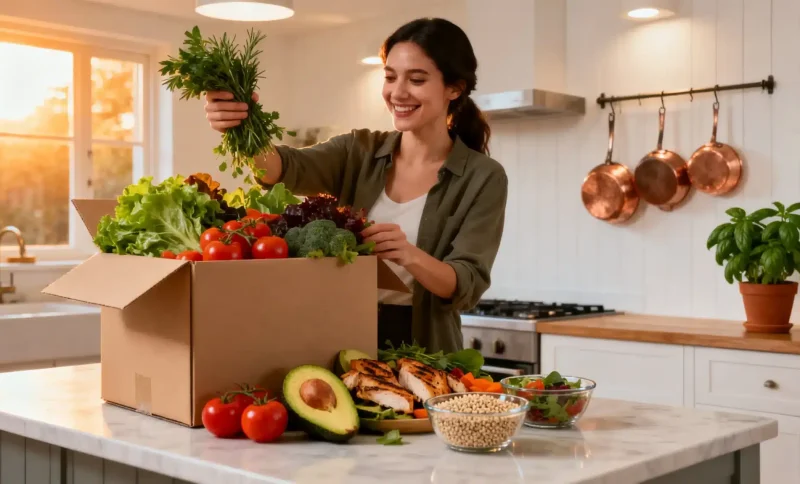
Convenience used to mean grabbing takeout, heating a frozen dinner, or hoping there was something decent left in the fridge. In 2026, that idea is changing fast.
Americans still want quick meals. They also want food that feels fresh, balanced, and worth the money. That mix has created a new kind of eating routine, one where delivery does not always mean greasy, last-minute, or overly processed. For busy parents, remote workers, students, and professionals, meal delivery services are starting to feel less like a splurge and more like a planning tool.
The biggest shift is simple: people are tired of having to choose between health and convenience.
Healthy Eating Is Becoming More Practical
For years, healthy eating was often framed as something that required a long grocery list, a free Sunday afternoon, and a lot of chopping. That does not fit real life for many households. Work schedules stretch late. Kids have activities. Grocery prices still make people think harder about waste. A full fridge does little good when no one has time to turn ingredients into dinner.
That is where healthy meal delivery has found its place. The best services are not just sending food to the door. They are helping people make fewer decisions during the most stressful part of the day.
Instead of scrolling through takeout apps at 6:30 p.m., households can open the fridge and find meals or ingredients that already match their goals. Some plans focus on high-protein options. Others lean into plant-forward meals, gluten-free choices, calorie-conscious recipes, or family-friendly dinners. The real value is not perfection. It is narrowing the gap between good intentions and what is actually eaten.
This matters in 2026, as national nutrition guidance continues to push Americans toward more whole, nutrient-dense foods, including fruits, vegetables, protein, dairy, healthy fats, and whole grains. At the same time, many consumers are trying to cut back on highly processed foods, excess added sugar, and meals that leave them feeling sluggish.
Meal delivery services are not replacing home cooking. A person might still sauté vegetables, season chicken, or build a grain bowl, but the hardest parts- planning, shopping, and portioning are often handled before the box arrives.
Personalization Is Changing the Dinner Routine
One reason meal delivery keeps evolving is that Americans do not all eat the same way. A household might include one person watching sodium, one who wants more protein, one vegetarian, and one picky eater who would rather live on pasta. Traditional meal planning makes that hard.
Modern services are responding with flexible menus, preference filters, and grocery-style ordering. That means customers can often choose meals based on diet, prep time, ingredients, flavor, or household size. It is not only about nutrition. It is about making dinner feel less like a daily negotiation.
Personalization also helps reduce food fatigue. Eating well can become boring when the routine is too rigid. Delivery services can add variety without forcing people to search for new recipes every week.
The rise of functional eating is part of this shift too. Many consumers are paying closer attention to protein, fiber, gut health, energy, and recognizable ingredients. Food trend reports for 2026 point to continued interest in whole-food meals, fermented flavors, high-protein options, and convenient foods that still feel nourishing.
That does not mean every delivered meal is automatically healthy. Customers still need to check labels, sodium levels, portions, and ingredient quality. The strongest services make that easier by providing clear nutritional details and offering meals that align with common goals without making the process feel clinical.
This is also where grocery delivery and meal kits are starting to overlap. Some people do not want a fully prepared meal. They want the right groceries, the right recipe ideas, and fewer forgotten ingredients. Others want heat-and-eat options for the nights when cooking is not realistic. In 2026, the winning model is flexible, not one-size-fits-all.
The New American Meal Plan Is Flexible
The old meal plan was strict. The new meal plan is more fluid. It blends home cooking, delivered groceries, prepared meals, restaurant meals, and simple snacks into one weekly rhythm.
The goal is not to outsource every meal. The goal is to remove enough friction that healthy choices happen more often.
Cost plays a role too. Many Americans are rethinking restaurant spending and delivery app fees. A planned meal service can feel more controlled than ordering takeout several times a week, especially when it helps avoid impulse purchases and unused groceries.
There is also a subtle cooking benefit. Meal kits and prepared ingredients can teach people what balanced meals look like. Over time, customers may pick up ideas for sauces, portions, vegetable pairings, and simple cooking methods. That makes the service less like a shortcut and more like training wheels for better everyday eating.
For families, the impact can be even bigger. Kids see more variety at the table. Parents spend less time asking what to make. Food becomes a little less reactive and a little more intentional.
Of course, meal delivery is not the answer for every household. Some people love grocery shopping. Others prefer batch cooking or need tighter cost control. The trend is still worth watching, as it reflects a broader shift in American eating habits. People want food that supports health, but they also want systems that respect time, taste, budget, and energy.
A Better Way to Eat Busy
Healthy eating in 2026 is less about following a perfect plan and more about building a routine that can survive a busy week. Meal delivery services are reshaping the way Americans eat by making the routine easier to start and maintain.
More households can keep fresh meals on hand, try new ingredients, and avoid the nightly takeout spiral without turning dinner into a major project. That is why these services are becoming part of the modern kitchen, not as a replacement for cooking, but as a smarter support system for real life.