






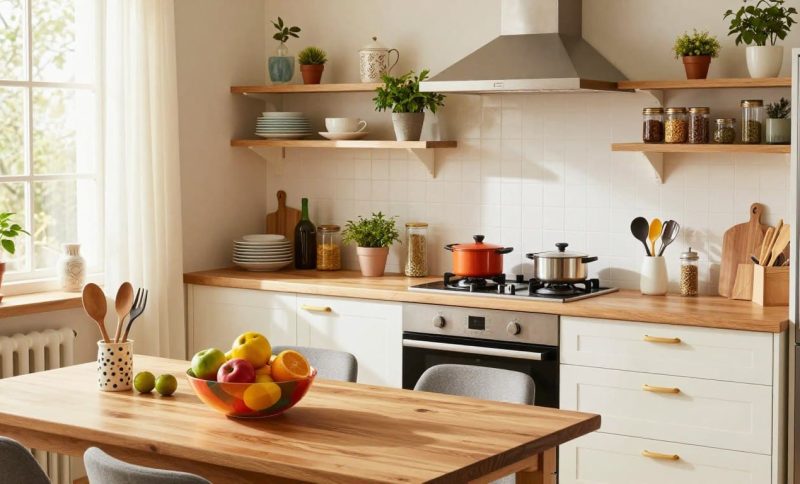
Your cooking space is more than just a place to prepare meals. It’s the heart of your home where memories are made and creativity flows. The atmosphere you create here can truly make your culinary skills shine.
The way you design your cooking area has a profound effect on everything from your motivation to cook to the quality of meals you create. Your environment influences how you feel when preparing food for yourself and loved ones.
Thoughtful design choices go far beyond simple aesthetics. The colors you select, the organization systems you use, and even the lighting you install can transform your entire cooking experience. These elements make daily meal preparation feel effortless rather than burdensome.
Whether you have a spacious gourmet setup or a cozy compact area, understanding how your surroundings affect your cooking will help you make smarter choices. This guide will show you practical strategies for optimizing your space through smart upgrades and design elements.
You’ll learn how to create a cooking environment that works with your lifestyle while reflecting your personal style. Small changes can make a remarkable difference in how you feel every time you step into this essential room.
Understanding the Role of Kitchen Decorations in Your Home
Research reveals that our surroundings play a crucial role in how we engage with cooking activities. Studies show that 40% of individuals who feel positive about their home environment experience better mental health. This connection extends directly to your cooking area.
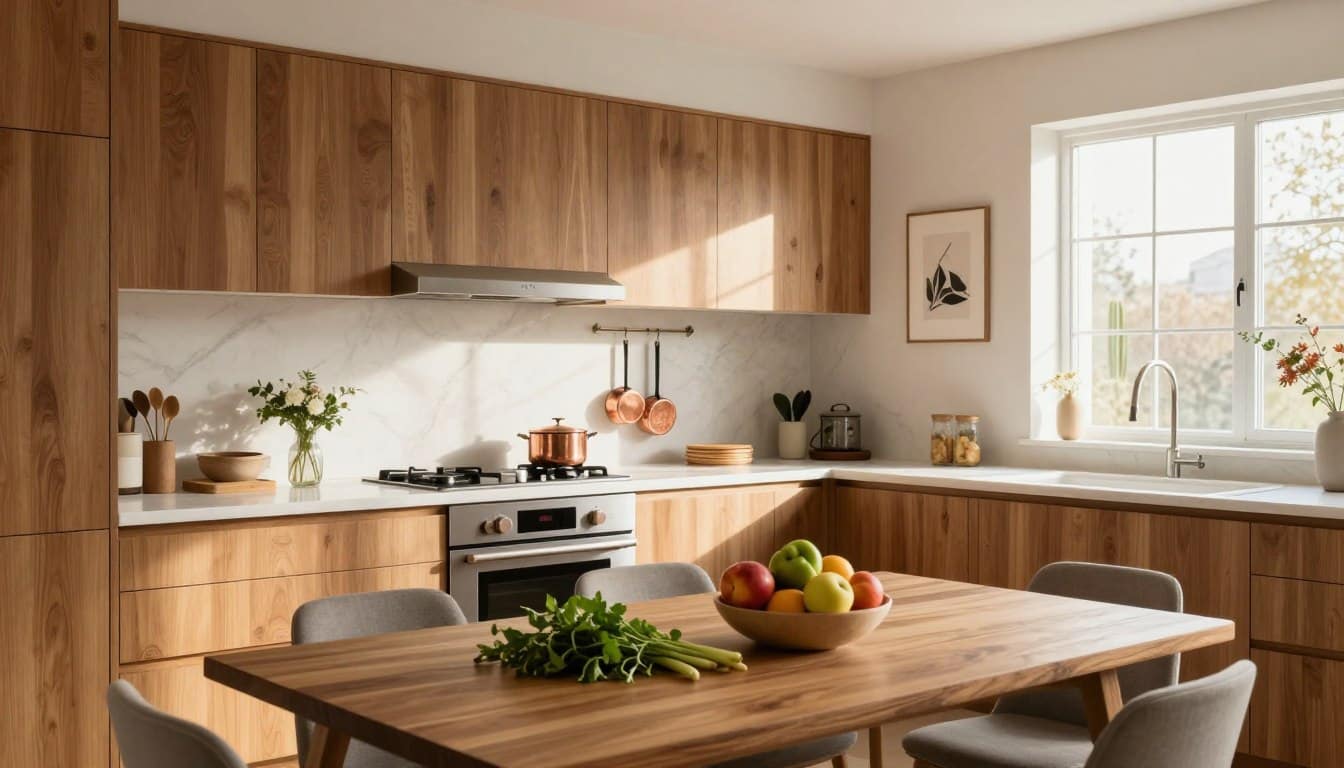
Why Your Kitchen Decor Matters
The design elements you choose create an atmosphere that either inspires or discourages meal preparation. When your space feels cluttered or dark, you’re less likely to cook nutritious meals. This can affect your family’s health and budget.
Thoughtful organization and personal touches transform cooking from a chore into a creative outlet. People who love their cooking environment report greater satisfaction and more frequent family meals.
The Influence on Cooking Mood and Creativity
Your mood while preparing food is directly shaped by your environment. Good lighting and efficient storage make meal creation feel effortless. You’ll find yourself more willing to experiment with new recipes.
The right design choices make a real difference in your daily life. They affect how easily you move through your space and how inspired you feel. Understanding this connection helps you create a cooking area that nourishes both body and soul.
Adding Personal and Artistic Details to Your Kitchen
Meaningful objects displayed throughout your cooking space create emotional connections that enhance daily life. These personal touches transform a functional room into a place that truly reflects your story.
Vertical wall pieces are especially effective in kitchens with limited space. Tall, narrow designs draw the eye upward and add personality without crowding the room. Options like art by Maudsch work well in slim wall sections, breakfast nooks, or areas between cabinetry, helping the space feel curated rather than cluttered.
Integrating Family Heirlooms and Unique Decor
Your space becomes more meaningful when it includes items with personal history. Displaying hand-blown glassware from travels or a cherished family bowl adds warmth and turns everyday cooking into something more personal. These pieces help your kitchen reflect the people who use it.
To keep the room balanced, focus on a few intentional accents rather than filling every surface. Thoughtful placement preserves visual calm while allowing meaningful items to stand out as both functional tools and conversation starters.
DIY decor can further strengthen this connection. Handmade pieces bring character and intention that mass-produced items often lack. Textile accents work especially well in kitchens, adding softness without taking up counter space. Using curated punch needle sets allows you to create decorative wall pieces that introduce texture and color while keeping the overall design clean and cohesive.
Expressing Your Style Through Artistic Accents
Artistic details help define the personality of your kitchen and make the space feel uniquely yours. Small creative touches, such as framed prints, handmade ceramics, or decorative wall pieces, add character without overwhelming the room. These accents allow you to showcase your taste while keeping the overall look cohesive.
Choosing artwork that reflects your interests, travels, or creative side adds depth to the space. When personal expression guides your decor choices, the kitchen becomes more than a place to cook — it becomes a reflection of your lifestyle and creativity.
Embracing Historic Charm with a Modern Twist
Working with your home’s original architectural features can lead to renovations that honor history while meeting contemporary needs. This approach creates a unique living environment that blends old-world character with modern convenience.
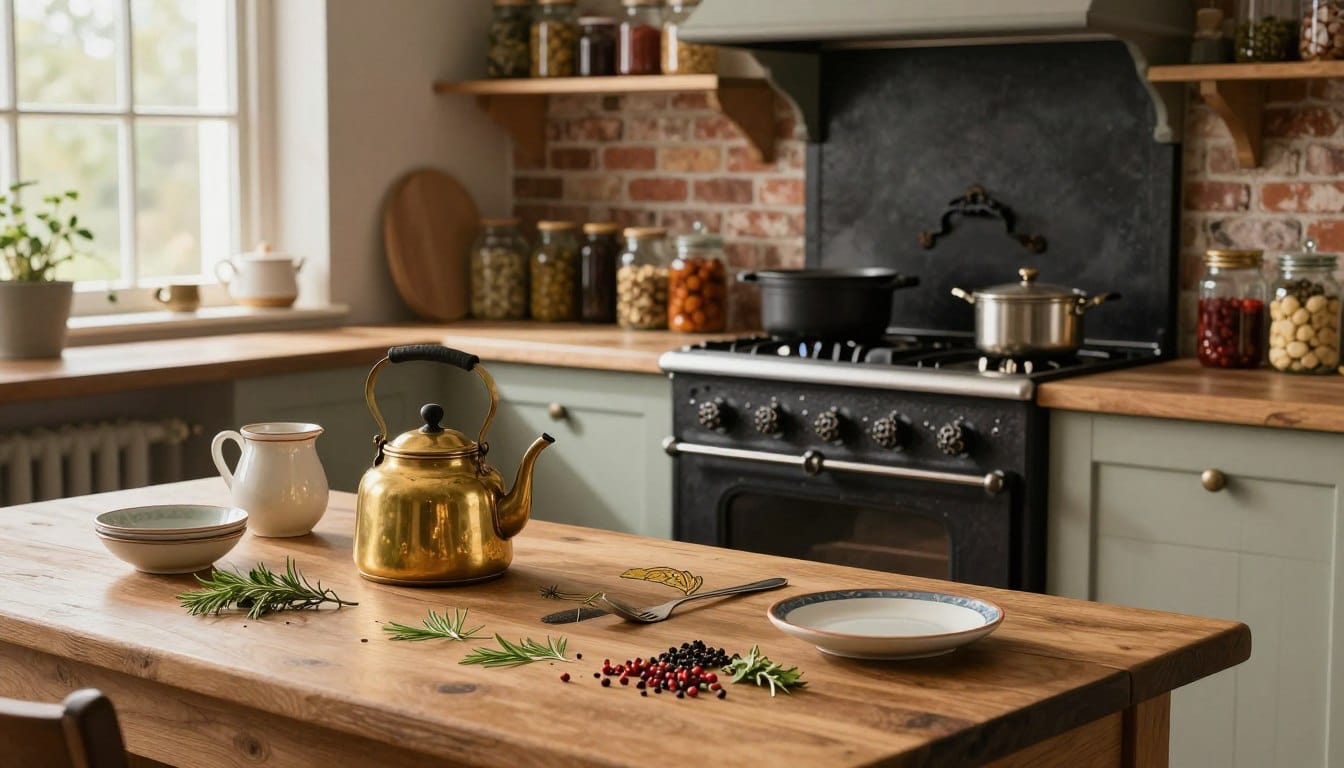
Imagine discovering wide-plank hardwood floors, exposed beams, or plaster walls in your older home. These elements tell a story about your property’s past.
Preserving Original Architectural Details
Your home’s original details deserve careful preservation. When you maintain historic trim and existing layouts, you preserve the authentic character that makes your space special.
This respectful approach maintains the room’s original footprint. It allows the architectural story to shine through while serving your daily needs.
Strategic Updates Without Losing Character
Thoughtful updates can transform functionality without altering walls or layout. This strategic way of thinking preserves your home’s distinctive style.
You save both time and money by working within existing parameters. The result is a space where past and present coexist beautifully.
This balanced approach creates a timeless environment that respects heritage while embracing modern living.
Boosting Efficiency with Multi-Functional Areas
Today’s cooking spaces have evolved into vibrant hubs where multiple family activities intersect. If you’re upgrading your kitchen, decorative choices play a major role in how well the space supports daily life. From morning routines to evening gatherings, the way you style and arrange your kitchen influences how smoothly everything flows.
Creating visual zones through decor helps different activities coexist comfortably. Area lighting, rugs, wall accents, and furniture styling can subtly separate cooking, dining, and casual seating areas without changing the layout. These decorative cues guide movement while keeping the space cohesive.
Designing Zones for Cooking and Entertaining
In multifunctional kitchen designs, decor plays an essential role in defining how each area is used. Pendant lighting above an island, artwork near seating zones, or styled open shelving helps visually separate cooking, dining, and gathering spaces while preserving a cohesive look.
When one room serves several purposes, decorative choices should support daily routines. Softer lighting or organized wall storage can make nearby areas suitable for homework, casual meals, or conversations without interrupting food preparation. Coordinated textiles, stools, and decorative accents add personality while keeping the space structured.
Kitchen islands often become the centerpiece of multifunctional layouts. Styling one side for seating and the other with practical accessories helps balance appearance and usability. With thoughtful placement, decor guides movement and keeps the kitchen feeling intentional rather than cluttered.
Creating Flexible Spaces for Everyday Use
Decorative flexibility allows kitchens to adapt throughout the day. Lightweight furniture, movable stools, and easily rearranged accessories make transitions seamless from quiet mornings to busy evenings.
Visual consistency also reduces the feeling of clutter during peak hours. When colors, textures, and decorative accents work together, the kitchen feels calmer and more organized. A well-styled space supports efficiency not through construction, but through intentional decorative choices that enhance flow and comfort.
Design Strategies to Optimize Your Cooking Space
The difference between a chaotic cooking area and a peaceful one often comes down to clever organization strategies. Good design makes your space work harder for you without requiring major changes.
Start by tackling visual clutter that makes meal preparation stressful. Empty each cabinet completely and be honest about what you truly need. Donate duplicate gadgets and items you rarely use.
Maximizing Storage Solutions and Reducing Clutter
Creative storage options can transform awkward corners into functional areas. A custom copper pot rail keeps essentials within easy reach while adding character.
Linen cabinet curtains softly hide items while maintaining an attractive look. Designate specific homes for everything from utensils to pantry goods.
Smart Organization Tips for Small Kitchens
Small kitchens require thoughtful planning to maximize every inch. Treat countertops as sacred space for only daily-use appliances.
Invest in cabinet organizers like drawer dividers and pull-out trays. These tools help you access deep cabinet spaces without losing items.
Consider using nearby closets or vintage furniture for extra pantry storage. The right organization system creates a calmer, more inviting environment.
Conclusion
Kitchen decorations play an important role in shaping how the space feels each day. From lighting and color to artwork and textures, these details influence comfort, creativity, and overall enjoyment while cooking.
Thoughtful decorative updates can refresh your kitchen without major changes. Simple additions like wall art, soft materials, or improved lighting help create balance while reflecting your personal style.
When decoration supports both beauty and daily use, the kitchen becomes more inviting and enjoyable. With intentional styling, your cooking space can feel expressive, welcoming, and truly your own.