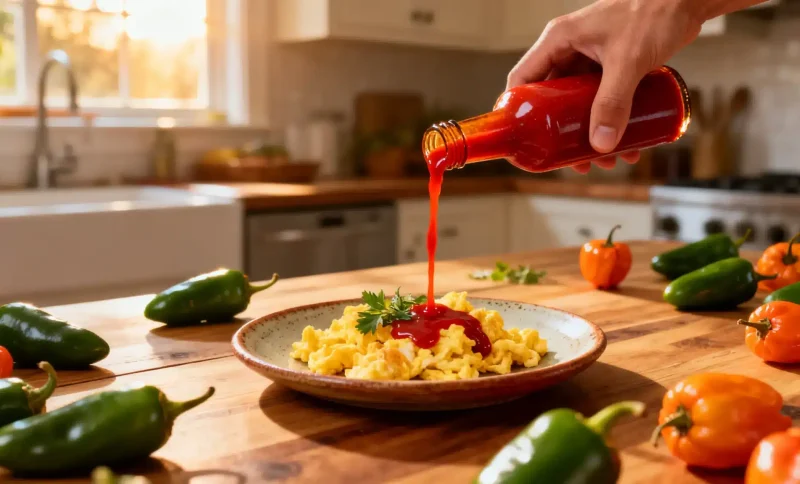
Craft hot sauce elevates everyday meals because it brings real flavor, not just heat. To use it well, match the sauce’s flavor profile to your dish, start with a small amount, and build from there. Look for small-batch makers who use fresh peppers and simple ingredients, and you’ll turn ordinary meals into something memorable.
There is something a little magical about that first shake of hot sauce. It wakes up a plate of scrambled eggs, gives boring leftovers a second life, and makes a simple taco taste like you actually tried. But here is the thing most people miss: hot sauce is not just about heat. The good stuff is about flavor.
If you have only ever reached for the same red bottle from the grocery store, you are missing out on a whole world of taste. Craft hot sauces, made in small batches with fresh peppers and real ingredients, can completely change how you cook at home. And once you taste the difference, it is genuinely hard to go back.
This post walks you through how to pick the right craft hot sauce, how to match it to your meals, and how to use it without setting your mouth (or dinner) on fire.
Key Takeaways
- Quality Matters: Craft hot sauces are made with fresh, high-quality ingredients, offering a superior flavor compared to mass-produced alternatives.
- Pairing is Key: The right hot sauce can elevate the flavors of your meals, so consider the heat level and flavor profile when choosing one.
- Experimentation is Encouraged: Don’t be afraid to try different brands and varieties to discover what works best for your palate and dishes.
- Balance is Everything: Use hot sauce wisely to enhance your food without overpowering it. A little can go a long way!
Why Hot Sauce Deserves a Spot in Every Kitchen
Hot sauce has quietly become a kitchen staple, and the numbers back it up. The U.S. hot sauce market was valued at over $1 billion in 2024 and is projected to nearly double by 2032, according to Fortune Business Insights. People are not just buying more hot sauce. They are buying better hot sauce.
Part of the appeal is flavor, but there may be a small bonus too. Capsaicin, the compound that gives peppers their heat, has been studied for potential links to heart and metabolic health, according to research published by the National Institutes of Health. That does not make hot sauce a health food, but it is a nice thought while you are drizzling it on your eggs.
Mostly, though, hot sauce earns its place because it makes food more interesting. A few drops can rescue a bland soup, brighten roasted vegetables, or add depth to a marinade. It is one of the cheapest ways to make everyday cooking feel exciting.
What Sets Craft Hot Sauce Apart from Store-Brand Bottles
So what makes a craft hot sauce different from the mass-produced bottle in the back of your fridge? It comes down to ingredients and care.
Most big-brand hot sauces lean heavily on vinegar, salt, and preservatives. They taste sharp and one-note, which is fine in a pinch. Craft hot sauces, on the other hand, are usually made in small batches with fresh or roasted peppers, real garlic, fruit, and herbs. The result is layered and complex, with the heat working alongside the flavor instead of overpowering it.
Here is what to look for when you are choosing a quality bottle:
- A short, recognizable ingredient list. Real peppers and whole foods should sit near the top.
- Roasted or fresh peppers. Roasting adds a smoky depth you cannot fake.
- A clear heat level. Good makers tell you what you are getting, from mild to blazing.
- Awards or recognition. Honors like the Scovie Awards are a reliable sign of quality.
A craft sauce should taste like something specific, like roasted jalapeños or pineapple and habanero, rather than just generic spice.
How to Match Hot Sauce to the Right Dish
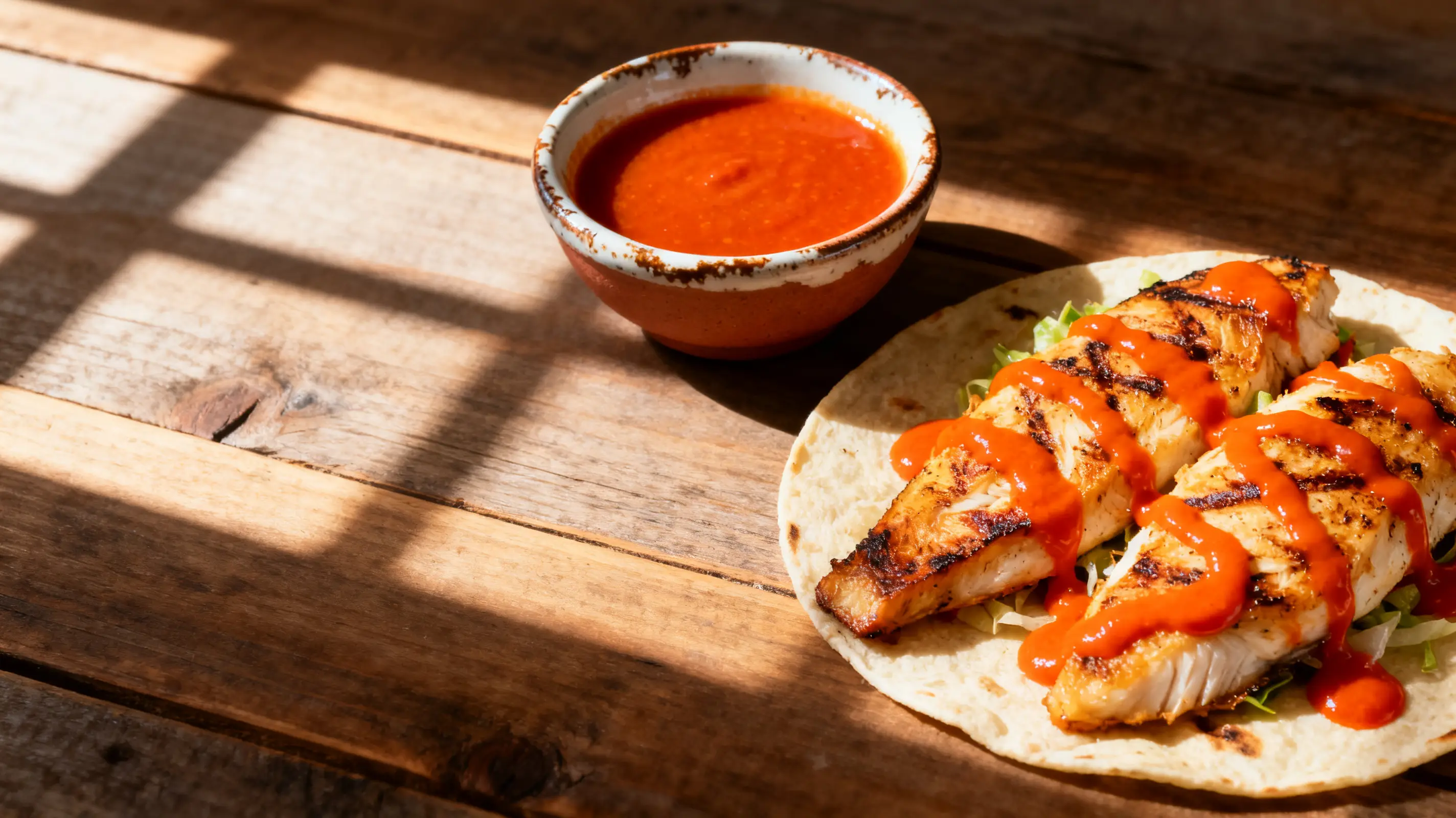
The secret to cooking with hot sauce is treating it like any other seasoning. You would not put cinnamon on a steak, and the same logic applies here. Different sauces shine with different foods.
Here are a few easy pairings to get you started:
- Smoky, roasted sauces go beautifully with grilled meats, burgers, and barbecue.
- Fruity sauces (think mango or pineapple habanero) work wonders on tacos, fish, and grilled chicken.
- Garlic-forward sauces are perfect for pizza, pasta, and roasted vegetables.
- Vinegar-based sauces brighten up eggs, greens, and anything fried.
- Sweet and tangy sauces make a great glaze for wings or a dip for fries.
When in doubt, think about what flavor would naturally complement your dish, then find a hot sauce that leans into it. A pineapple habanero sauce on fish tacos, for example, feels intentional rather than random.
Tips for Using Hot Sauce Without Overpowering Your Food
We have all been there: one heavy-handed pour and suddenly dinner is inedible. The goal is balance, where the heat enhances the food instead of drowning it. Here is how to keep things in check.
Start small and taste as you go. Add a few drops, taste, then add more if you want. You can always add heat, but you cannot take it away.
Use it during cooking, not just at the table. Stirring hot sauce into soups, marinades, or sauces lets the flavor mellow and blend into the dish.
Pair heat with something cooling. Sour cream, yogurt, avocado, or cheese can tame the spice and round out the flavor.
Match the heat to your crowd. If you are cooking for family or friends, keep a milder sauce on the table and let the brave ones add more.
Let flavor lead. If a sauce tastes great but is too hot on its own, mix it into mayo or a dressing. You will get all the flavor with a gentler kick.
Where to Find Quality Craft Hot Sauce
The best craft hot sauces usually come from small, passionate makers who care about every batch. Farmers markets, specialty food shops, and online stores are great places to explore, and you will often find makers happy to explain the story behind each bottle.
One example worth knowing about is Mikey V’s Foods, a veteran-owned, Texas-based company that has earned more than 100 awards, including multiple wins at the prestigious Scovie Awards. Their lineup of small-batch craft hot sauces ranges from mild and flavorful to seriously hot, with standouts like roasted jalapeño and pineapple habanero. It is a good illustration of what a flavor-first approach to hot sauce can look like.
When you find a maker like that, take advantage of variety packs or sampler boxes. They are an easy, low-risk way to discover which flavors and heat levels you actually love before committing to a full-size bottle.
Bring a Little Heat to Your Next Meal
Craft hot sauce is one of those small upgrades that pays off every single day. It costs a few dollars, lasts for months, and instantly makes home cooking more fun. You do not need to be a chef or a chili-head to enjoy it. You just need to be curious.
So next time you are at a market or browsing online, skip the usual bottle and try something made with care. Start with a flavor that excites you, use it gently, and pay attention to how it changes your food. Once you find your favorite, you will wonder how your kitchen ever got by without it.
Frequently Asked Questions
Is craft hot sauce worth the higher price?
For most home cooks, yes. Craft hot sauces use fresher ingredients and offer far more flavor than mass-produced bottles, and because a little goes a long way, one bottle lasts a long time. If you cook often and enjoy bold flavors, the small extra cost is easy to justify.
How spicy is too spicy for everyday cooking?
That depends entirely on your tolerance. For daily use, a mild to medium sauce is the most versatile because it adds flavor without overwhelming your meal. Save the extra-hot sauces for when you specifically want a challenge, and always start with a small amount.
How should I store craft hot sauce?
Most hot sauces keep well in a cool, dark pantry, but refrigerating them after opening helps preserve flavor and color, especially for sauces made with fresh peppers and fruit. Always check the label, since small-batch sauces can vary.
Can I cook with hot sauce, or is it just a topping?
You can absolutely cook with it. Stirring hot sauce into marinades, soups, stir-fries, and sauces builds flavor right into the dish. Adding it during cooking softens the sharp edges and blends the heat more evenly than a last-minute splash.
What is a good craft hot sauce for beginners?
Start with a mild, flavor-forward sauce, such as a roasted jalapeño or a fruity pineapple habanero. These offer noticeable flavor with gentle heat, making them an easy introduction. Sampler boxes are also a smart way to explore several options at once.