






A family kitchen rarely stays spotless for long, even on calm weeks. Water splashes near the sink, crumbs slide under stools, and pets circle for dropped bites. By the end of the week, the floor shows where life actually happens. That is useful information if you pay attention to it.
A lot of flooring regret starts with choosing by looks alone. A pretty sample can still fail when chairs scrape, dishwashers drip, and kids run in wearing wet socks. The right floor supports cooking, cleanup, and safe footing without extra drama. That is why I like looking at practical options from Really Cheap Floors early, before the project turns into a rushed choice.
Map Your Mess And Traffic Before You Shop
Most kitchen wear happens in repeat zones, not across the whole room. The sink area gets drips and puddles, the stove zone collects grease specks, and the fridge path takes constant foot traffic. Kids and pets tend to cut corners and create their own lanes, too. When you notice those patterns, the decision gets clearer.
Track your kitchen for one normal week, and do not overthink it. Notice where water sits longer than ten minutes and where crumbs build up daily. Pay attention to chair movement at the island, since sliding stools grind grit into finishes fast. Those notes will guide your choice more than any showroom lighting.
Safety is part of “family friendly,” and it shows up in small moments. Slip risk goes up when smooth surfaces meet standing water near the sink. If you want a quick reality check on what reduces falls, OSHA has a straightforward overview of slip and trip basics.
Comfort matters as much as durability when you cook often. If you stand at the counter for long prep sessions, a hard surface can feel tiring. That does not mean you need a soft floor, but you should plan support where you stand most. A washable runner or cushioned mat can help if it lays flat and does not curl.
Compare Flooring Types With Kitchen Reality
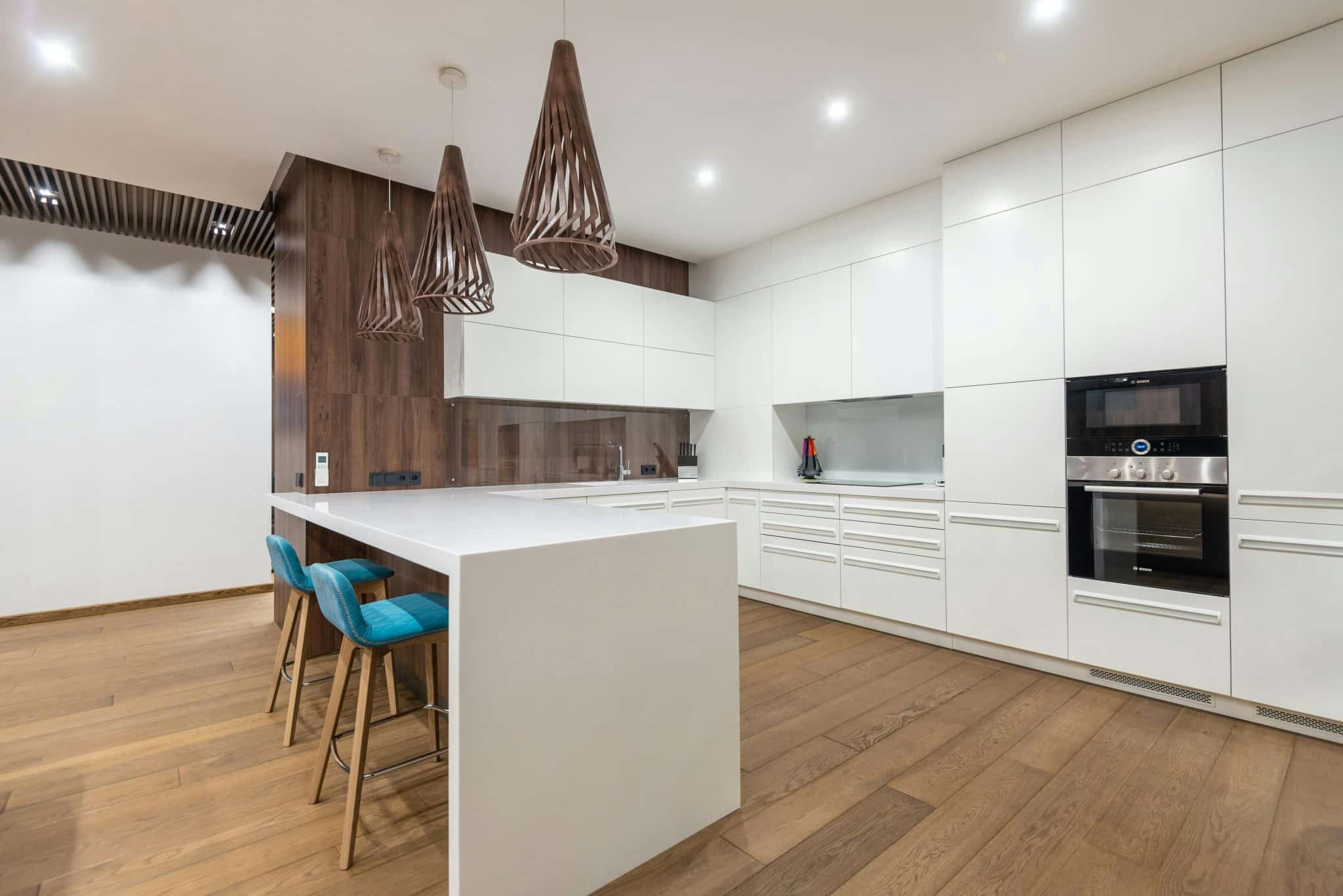
Solid hardwood has a classic look and can last for decades. It can be refinished, which is useful after years of dents and scratches. Still, real wood does not like standing water, and kitchens deliver plenty of it. If you choose solid, you are choosing quick wipe ups as part of the deal.
Engineered hardwood often handles humidity changes better than solid boards. Its layered build can help it stay stable when seasons shift. It still needs protection around dishwashers and sinks, but it can be a practical middle ground. It also tends to work well when you want a wood look with fewer worries.
Luxury vinyl plank is often the low stress option in family kitchens. Many LVP products handle spills well, and cleanup is usually fast. For homes with toddlers, pets, or constant traffic, that water tolerance is a real comfort. The best ones still look good, but the win is how they behave on a messy Tuesday.
Avoid judging only by the product photo or the name. Ask about scratch resistance from chair legs, pet nails, and dropped cookware. Ask what happens if one plank gets damaged, because repairability matters in kitchens. A material that lets you replace one section can save money and frustration later.
Focus On Finish And Maintenance You Will Actually Do
A kitchen floor is only “easy” if you will maintain it when you are tired. Some finishes show every crumb and scuff, and others forgive daily life better. Think about whether you want a clean, glossy look or a softer finish that hides dust. The goal is a surface that still looks good after dinner, not only after a deep clean.
Build a simple care routine around your normal schedule. A quick sweep after dinner keeps grit from grinding into the finish. A light damp mop twice a week usually covers the rest for most families. If a floor needs special products you will not keep buying, it will fall behind fast.
Pay attention to seams and edges, since kitchens create sticky spills. Tight joints and clean trim lines make wipe ups easier. Mess loves gaps around toe kicks and appliance edges, so plan those details early. This is also where good installation pays off, because it reduces grime traps.
If you are freshening the room in small ways, link the floor decision to that plan. A weekend style kitchen reset can help you see what really needs attention before you spend. It also keeps the project grounded in real life instead of mood board ideas.
Plan Installation Details That Make Or Break Performance
Install choices matter more in kitchens than most rooms. Floating floors can be quicker to install, and they often work well for families who want less downtime. Glue down installs can feel firm underfoot, yet they can bring stronger odor during curing. Your timeline and ventilation should guide the method.
Indoor air is part of the conversation, especially if you have kids or pets at home all day. Some finishes and adhesives release VOCs during and after installation. The EPA’s guidance on VOCs and indoor air quality is a helpful reference when planning ventilation and exposure reduction.
Plan for airflow before the first box is opened. Open windows when weather allows and use fans to push air out, not just around. Keep kids and pets away from the work zone longer than you think you need. This step feels boring, but it prevents headaches and lingering smells.
Transitions deserve extra attention in a kitchen. Dishwashers, fridges, and doorways create edges that collect grime. Clean trim lines and proper spacing make the room feel calmer each day. They also make mopping simpler, which matters when you do it often.
Make Budget Choices That Still Feel Good Long Term
Budget friendly does not mean flimsy, it means purposeful tradeoffs. In kitchens, water tolerance and scratch resistance often matter more than dramatic grain. If you spend on anything, spend on the layer that takes the daily wear. That could be a tougher finish, a thicker wear layer, or a better underlayment.
If you need to save, focus on the high traffic lanes first. A simple tone with a durable surface can look better than a bold finish that shows every scratch. You can add warmth with rugs, stools, and lighting later. That approach keeps the floor doing its job without looking cheap.
Think ahead to repairs and future matching. Ask whether the product is likely to stay in production, since kitchens often need small fixes. Also ask what happens if one section fails near the sink, where damage tends to start. A floor that allows easy plank replacement can be a quiet win.
If the space still feels tired after new flooring, small updates can carry a lot of weight. Paint, cabinet hardware, and lighting can shift the whole mood without major work. When you pair those with a durable floor, the kitchen feels refreshed without a full renovation.
A Decision You Can Live With
Choose flooring by following your mess map, your cleanup habits, and your need for safe footing. Match those realities to a material that handles water, traffic, and repairs without constant worry. If you pick a surface you can care for on a busy week, you will like it longer. The best kitchen floor is the one that keeps up with your family’s pace.