

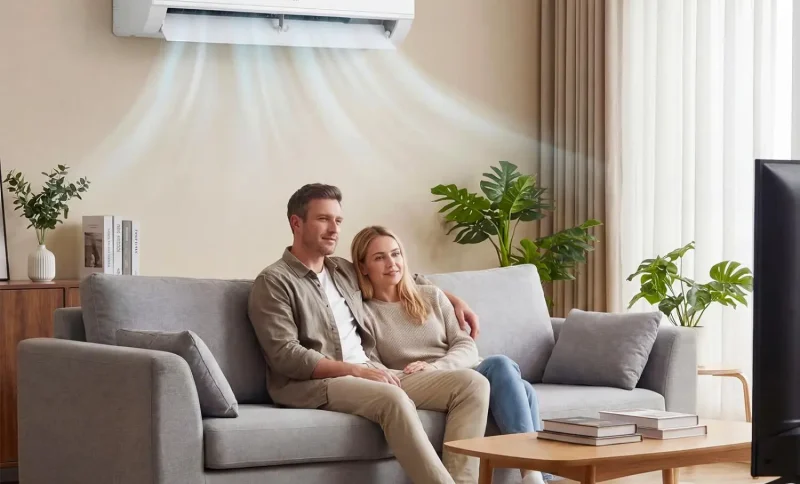
For many U.S. households, the kitchen becomes the hottest room in the home during summer cooking. Ovens, stovetops, dishwashers, and sunlight exposure all contribute to rapid heat buildup, especially during afternoon peak temperatures. In open-concept homes, this heat often spreads into dining and living areas, making the entire space feel noticeably warmer and harder to cool. In many cases, homeowners also consider upgrading to a mini split of air conditioner or even a properly sized 18000 BTU air conditioner to maintain more stable indoor temperatures during extreme summer conditions.
Understanding how kitchen heat is generated—and how to control it effectively—can significantly improve summer comfort. With the right combination of cooking habits, airflow optimization, and cooling solutions, homeowners can reduce indoor temperature spikes without sacrificing cooking efficiency.
Why Kitchens Heat Up Quickly During Summer
Kitchen overheating is caused by a combination of structural design and daily usage patterns. Unlike enclosed rooms, kitchens generate heat directly through appliances while also absorbing external heat from sunlight and surrounding living spaces. These combined factors make temperature control more difficult during hot weather.
Heat From Cooking Appliances Builds Up Rapidly
Kitchen appliances such as ovens, stovetops, and air fryers release concentrated heat directly into the surrounding space. Unlike gradual room temperature changes, this heat is produced instantly and accumulates during cooking sessions, especially when multiple appliances are used at the same time. In smaller or partially enclosed kitchens, the heat has limited space to dissipate, causing temperatures to rise quickly and remain elevated even after cooking ends.
Sunlight Exposure Intensifies Indoor Temperature
Many kitchens include large windows for natural lighting, but these also introduce significant solar heat gain during summer. Sunlight passing through glass raises the temperature of surfaces such as countertops, floors, and appliances, which then continue releasing heat into the air. In kitchens with west-facing windows, this effect becomes even more noticeable during afternoon cooking hours when outdoor temperatures are already at their peak.
Poor Ventilation Traps Heat Indoors
Ventilation is essential for managing kitchen temperature, but many homes rely on basic exhaust systems that are not always strong enough to remove heat efficiently. When hot air and steam remain trapped indoors, they increase both temperature and humidity levels, making the kitchen feel more uncomfortable than actual readings suggest. Without proper airflow pathways, heat continues to circulate instead of being expelled.
How to Reduce Kitchen Heat While Cooking
Effective temperature control starts with reducing heat generation at the source. Small changes in cooking habits and timing can significantly lower daily heat buildup and improve overall summer comfort.
Shift Cooking to Cooler Hours of the Day
Cooking during early morning or evening hours helps avoid peak outdoor temperatures, reducing the overall heat load inside the kitchen. When indoor and outdoor temperatures are closer, it becomes easier to maintain a stable environment with less effort from cooling systems. This approach also improves energy efficiency by reducing the need for prolonged air conditioning use during peak heat periods.
Use Low-Heat Cooking Methods When Possible
Cooking methods such as microwaving, slow cooking, and induction heating generate less ambient heat compared to traditional ovens and stovetops. These options focus energy directly on food preparation instead of heating the surrounding air, helping maintain a cooler kitchen environment even during longer cooking sessions. This is especially beneficial during heat waves or in homes with limited ventilation.
Always Activate Ventilation Early
Range hoods and exhaust fans are most effective when turned on at the beginning of cooking rather than afterward. Early activation helps capture heat and steam at the source before they spread throughout the kitchen. Continuous ventilation during cooking reduces humidity and prevents heat buildup, especially when combined with open windows that improve natural airflow.
Improve Airflow and Heat Distribution
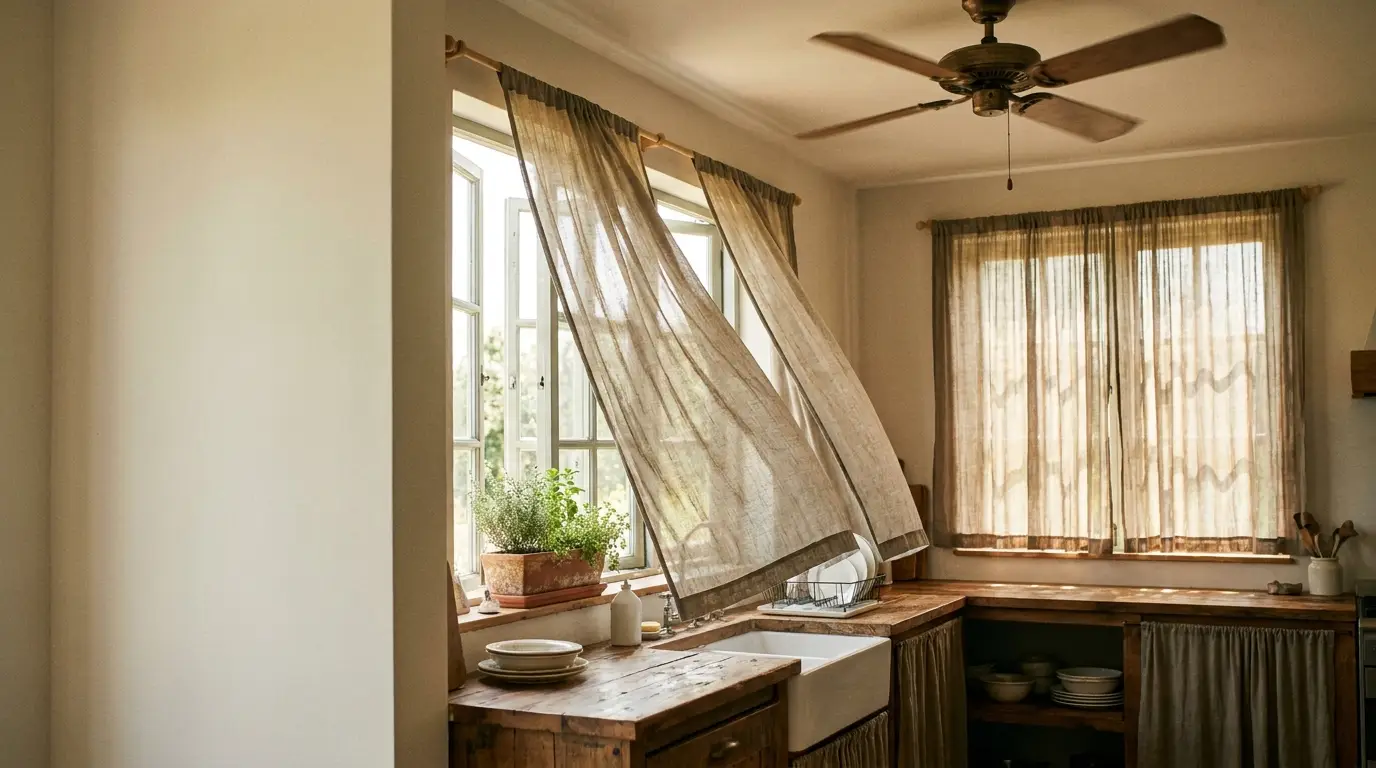
Air movement plays a key role in reducing perceived heat in kitchens, particularly in compact or enclosed layouts. Cross-ventilation, created by opening windows on opposite sides of the space, helps hot air exit while allowing cooler air to enter naturally, accelerating overall temperature balance.
Ceiling fans or portable fans further improve air circulation by redistributing cooled air and preventing hot spots from forming in corners or near appliances. While fans do not directly lower temperature, they significantly improve thermal comfort and airflow efficiency throughout the space.
Cooling Solutions for High-Heat Kitchens
When natural cooling methods are not sufficient, mechanical cooling becomes necessary for maintaining consistent comfort during summer cooking.
Portable fans offer quick relief but are best suited for small kitchens or short cooking sessions due to their limited cooling range. For larger or open-concept kitchens, a mini split AC system provides more stable and efficient cooling by maintaining continuous temperature control across the entire space. Compared to portable units, it operates more quietly and distributes air more evenly, making it more suitable for extended cooking periods.Proper system sizing is important because kitchens typically generate more heat than standard living spaces due to appliances and sunlight exposure.
Kitchen Layout and Design Adjustments
Kitchen layout significantly influences heat distribution and overall comfort during summer. Positioning heat-generating appliances away from main prep areas helps reduce direct exposure during cooking and improves working comfort.
Light-colored surfaces such as cabinets, walls, and countertops reflect heat more effectively than darker materials, helping reduce heat absorption and keeping the space cooler. Keeping countertops uncluttered also improves airflow and prevents stagnant heat zones from forming in frequently used areas.
Energy-Saving Strategies for Summer Cooking
Reducing kitchen heat also helps lower overall energy consumption during summer. Avoiding simultaneous use of multiple high-heat appliances can significantly reduce temperature spikes and cooling demand afterward. Using timers or smart plugs helps control appliance usage more efficiently and prevents unnecessary energy waste.
Combining passive cooling strategies such as shading and ventilation with active cooling systems creates a more balanced and energy-efficient approach to maintaining comfort during hot weather.
Conclusion
Kitchen overheating during summer is driven by appliance heat, sunlight exposure, and ventilation limitations. While cooking habits play a major role in daily temperature control, long-term comfort depends on improving airflow and integrating efficient cooling solutions.
A mini split AC system can provide stable and targeted cooling for kitchens that frequently experience heat buildup, especially in open-concept homes. When combined with smart cooking practices and thoughtful layout improvements, it becomes possible to maintain a cooler, more comfortable kitchen environment throughout the hottest months of the year.


