




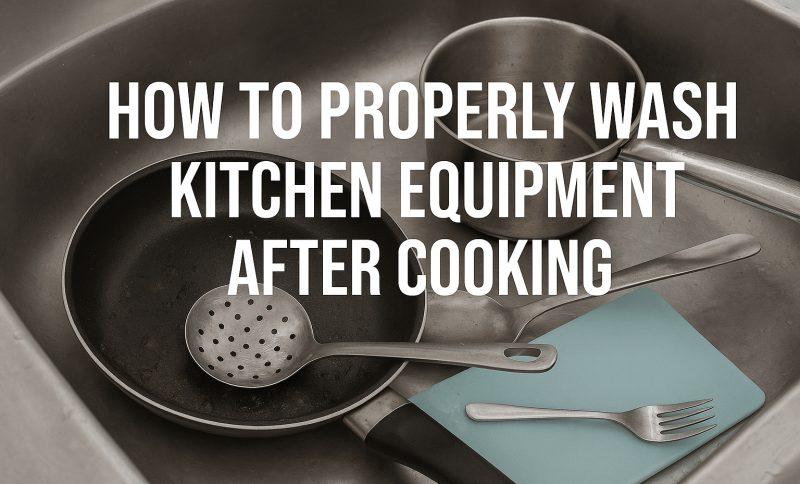
Keeping your kitchen equipment clean is one of the most important steps to maintaining food safety, preventing contamination, and extending the lifespan of your tools. Whether you’re cooking at home or running a small food business, proper cleaning habits ensure hygiene and better-tasting meals.
However, many still wash cookware and utensils incorrectly—leading to grease buildup, harmful bacteria, and damaged equipment. This comprehensive guide breaks down how to properly wash kitchen equipment after cooking, the correct order of cleaning, the best methods for different tools, and helpful sanitation practices. Meanwhile, if you want to enjoy Tongits games, be sure to check out GameZone.
Why Proper Cleaning Matters
Cooking equipment comes into direct contact with food, oil, and raw ingredients that can contain bacteria and allergens. Failure to wash tools correctly may lead to:
- Cross-contamination
- Foodborne illnesses
- Bad odors
- Corrosion and rust
- Reduced equipment lifespan
The cleanliness of your tools reflects the quality of your meals, so proper washing should be a non-negotiable part of kitchen habits.
The 5 Golden Steps of Washing Kitchen Equipment
To keep kitchen cleaning consistent and efficient, remember this universal order used in homes, commercial kitchens, and culinary schools:
- Pre-cleaning – Remove leftover food and debris.
- Washing—Use hot water and dish soap to remove grease.
- Rinsing – Rinse thoroughly to remove all soap residue.
- Sanitizing—Kill bacteria using heat or food-safe sanitizers.
- Drying – Air-dry or wipe with clean towels before storing.
Following this order ensures maximum cleanliness and prevents cross-contamination.
Step-by-Step Guide: How to Wash Different Kitchen Tools
Each tool requires a slightly different washing method. Here’s how to clean them correctly.
1. Pots and Pans
Pots and pans accumulate heavy grease, food residue, and burnt spots.
How to wash them properly:
- Let them cool before washing to avoid warping.
- Remove excess oil using paper towels.
- Soak in warm, soapy water for 10–15 minutes.
- Use a non-abrasive sponge to preserve the coating.
- For stainless steel, use baking soda to remove tough stains.
- Rinse thoroughly and dry immediately to prevent rust.
Avoid:
Using metal scrubbers on nonstick pans—they damage the coating and shorten their lifespan.
2. Knives
Knives must be washed with care to maintain sharpness and hygiene.
Proper washing method:
- Wash knives immediately after use.
- Use warm water and mild soap.
- Scrub gently on both sides, keeping the blade pointed away.
- Rinse and dry thoroughly with a towel.
- Never soak knives—they may rust and cause accidents.
- Store in a knife block, magnetic strip, or sheath.
Avoid:
Putting knives in the dishwasher. High heat and collisions dull blades.
3. Cutting Boards
Cutting boards accumulate bacteria easily, especially after cutting raw meat or fish.
How to clean effectively:
- Wash with hot, soapy water and scrub thoroughly.
- Rinse well and sanitize using:
- Vinegar + water
- Hydrogen peroxide
- Diluted bleach solution (for plastic boards)
- Air-dry upright.
- For wooden boards, oil lightly after drying to prevent cracking.
Important:
Use separate cutting boards for raw meat and vegetables to avoid cross-contamination.
4. Utensils
Spatulas, ladles, tongs, whisks, and spoons are quick to clean but easy to overlook.
Best cleaning method:
- Wash in warm soapy water immediately after use.
- Use a brush for corners and tight spaces.
- Rinse thoroughly and air-dry.
- For silicone tools, deep clean occasionally with baking soda paste.
Wooden utensils need extra care—avoid soaking and dry immediately to prevent mold.
5. Kitchen Appliances
Small appliances such as blenders, mixers, air fryers, and rice cookers require special handling.
Blenders & Mixers
- Fill halfway with warm water and a drop of dish soap.
- Blend for 20–30 seconds.
- Rinse thoroughly.
- Handwash blades separately for deeper cleaning.
Air Fryers
- Wait until the basket cools.
- Wash removable components with warm, soapy water.
- Wipe the heating element with a damp cloth.
Rice Cookers
- Wash the pot gently to avoid damaging the nonstick surface.
- Wipe the exterior and heating plate with a dry cloth.
6. Oven and Stove Tops
Grease buildup on cooking surfaces is a common problem.
How to clean them properly:
- Remove loose debris with a damp cloth.
- Spray grease remover or use warm vinegar solution.
- Let it sit for 5–10 minutes.
- Scrub using a sponge or brush.
- Rinse or wipe clean with a damp cloth.
- Dry thoroughly to avoid streaks.
Regular cleaning prevents thick grease buildup that becomes harder to remove.
Sanitizing: An Essential Step After Washing
Sanitizing is as important as washing—especially in a home where you prepare meat, seafood, or foods that require clean handling.
Effective sanitizing methods:
1. Heat
- Pour hot water (above 77°C) over equipment.
- Ideal for metal and heat-safe tools.
2. Chemical Sanitizers
Use food-safe solutions such as
- Diluted bleach (1 tablespoon to 1 gallon of water)
- Hydrogen peroxide
- Vinegar solution
- Commercial sanitizing sprays
3. Dishwasher Sanitizing Cycle
Many dishwashers include a sanitizing mode that meets food safety standards.
Common Mistakes to Avoid When Washing Kitchen Equipment
Even experienced home cooks make these errors:
- Using the same sponge for all surfaces
- Leaving equipment soaking for too long
- Not cleaning between appliance crevices
- Skipping sanitizing after raw meat contact
- Storing equipment while still wet
- Using harsh chemicals on tools that absorb moisture
Avoiding these mistakes keeps your kitchen safer and prevents contamination.
Drying and Storing Your Kitchen Equipment
Proper drying and storage are crucial steps.
Drying
- Air-dry tools on a drying rack.
- Use clean towels for tools that rust easily.
Storage
- Store knives safely to avoid accidents.
- Keep wooden tools in a dry area.
- Organize equipment so airflow prevents mold.
Final Tips for Maintaining a Clean Kitchen
To maintain a hygienic cooking environment:
- Clean as you go
- Wash immediately after cooking
- Disinfect countertops regularly.
- Replace sponges every 1–2 weeks
- Deep-clean appliances monthly
Consistency is key to long-term kitchen cleanliness.
Conclusion
Properly washing your kitchen equipment after cooking is not just about keeping your tools clean—it’s about ensuring food safety, protecting your health, and extending the life of your cookware.
By following the correct washing order, understanding which method suits each tool, and practicing consistent hygiene habits, you create a safer, more enjoyable cooking experience. If you need help with other cleaning or kitchen care topics, feel free to ask—I’m here to help!