






Dinner parties rarely stay perfectly tidy. Someone reaches across the table, a glass tilts, and a few drops land where you hoped they would not. Rugs under dining tables often absorb the first impact of those small accidents. Food oils, sauces, and red wine can settle into fibers quickly if the spill sits for too long. A few practical habits make it easier to protect rugs from food and wine stains while still enjoying the gathering.
Choose The Right Dining Room Setup
Room layout affects how often spills reach the rug. Tight seating arrangements, unstable glass placement, and crowded serving spaces increase the chances of accidents.
It is recommended to leave around 24 inches of rug beyond each side of the table. This space keeps chair legs fully on the rug when guests sit down or stand up. When chairs catch the rug edge or tilt unevenly, drinks are easier to knock over.
Several simple adjustments can reduce those risks.
- Leave enough rug space around the table so chairs remain fully supported when pulled out.
- Avoid thick pile rugs in narrow dining areas where chair legs drag across the surface.
- Use a tablecloth with a moderate overhang that catches small drips.
- Group wine bottles, sauces, and shared dishes on trays rather than spreading them across the table.
- Serve heavier dishes from a nearby counter instead of passing them across the rug.
Dining spaces with better circulation often experience fewer spills. In a well-planned custom home, the path between the kitchen and the table usually allows easier movement, which reduces crowded serving moments.
Know Which Rugs Need More Protection
Not all rugs respond to spills in the same way. Fiber type changes how quickly liquid moves through the pile and how difficult wine stain removal from rugs becomes afterward. The material also determines when gentle spot cleaning is enough and when a carpet stain removal service may be the safer approach.
|
Rug Fiber |
Reaction To Food And Wine Spills |
Best Response |
|---|---|---|
|
Wool |
Absorbs liquid quickly and can hold tannins deep in the pile |
Blot at once and avoid harsh cleaners |
|
Silk |
Stains easily and reacts poorly to aggressive cleaning |
Blot lightly and leave deep stains to professionals |
|
Nylon |
Resists wear but can still absorb pigment |
Spot clean carefully after testing |
|
Polypropylene |
Repels water better than natural fibers |
Blot and clean promptly with a mild solution |
|
Cotton |
Absorbs moisture quickly and may show shadowing |
Blot, rinse lightly, and dry thoroughly |
Handmade rugs and natural fibers need the most caution. Wool and silk absorb pigment quickly, which makes a quick response important. Synthetic fibers provide a little more time, though greasy foods and sauces can still cling to the surface.
Act Fast When A Spill Happens
Liquids move through textile fibers quickly because of capillary action, which allows stains to travel along the threads.
Wet carpets and other materials should be dried within 24 to 48 hours because mold typically does not develop if moisture is removed within that timeframe.
The goal is to lift liquid from the fibers without spreading it.
- Remove solid food first with a spoon or dull utensil.
- Blot liquids using a clean white cloth.
- Work from the outer edge of the stain toward the center.
- Use small amounts of cool water if dilution helps lift the stain.
- Avoid rubbing, which forces liquid deeper into the pile.
These same steps apply when learning how to remove wine stains from carpet after a glass tips over near the table. Gentle blotting often prevents a fresh spill from spreading further.
Avoid Common Wine Stain Myths
Red wine stains cause problems because tannins and pigments bind strongly to fibers. Once the stain sets, removal becomes much harder.
Several popular cleanup tricks appear at dinner tables even though they do not work well. Salt is one example. It is frequently poured over a fresh wine spill, yet textile research suggests it can help fix the pigment into the fibers instead of removing it. White wine is another suggestion that circulates widely, but it only dilutes the stain slightly.
A calm response works better. Blotting with a clean cloth, limiting the amount of cleaning solution, and avoiding aggressive scrubbing all help reduce damage to the rug.
Build Better Habits Before Guests Arrive
Good rug care and maintenance develop from consistent habits. Preparing the dining area ahead of time reduces many of the small accidents that happen during large meals.
Consider these rug stain prevention tips:
- Keep white towels nearby for quick spill response.
- Place coasters where drinks naturally rest during conversation.
- Seat children or energetic guests where drinks are less likely to tip.
- Position serving utensils away from the edge of the table.
- Vacuum dining rugs regularly to remove grit that traps oils.
Room planning also contributes to safer hosting. Kitchens designed for easier movement often carry the same thinking found in a well-organized safe kitchen, where layout and accessibility reduce everyday accidents.
Include Professional Cleaning in Your Rug Care Routine
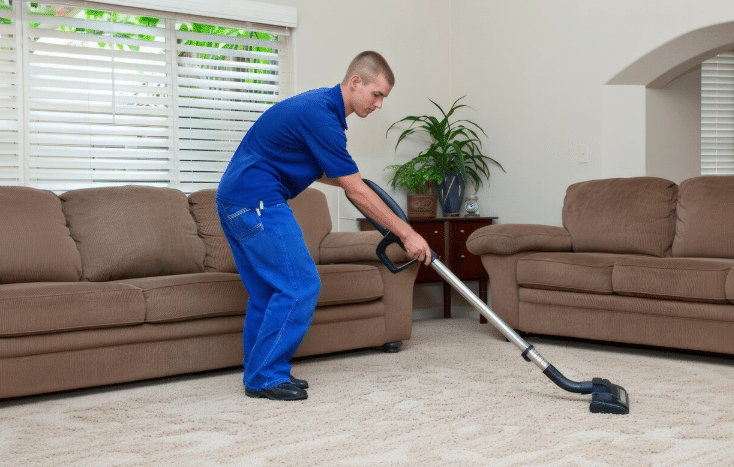
Some stains extend beyond simple spot treatment. Large wine spills, repeated drips in the same area, or heavy oil stains can settle deep into the rug pile.
Regular vacuuming, prompt spot removal, and professional deep cleaning every 12 to 18 months help maintain carpet appearance and extend its usable life.
Professional carpet and rug cleaning services remove residue that remains beneath the surface after basic cleaning. Deep cleaning helps lift trapped oils, remove embedded particles, and restore the appearance of the fibers. Regular maintenance also reduces buildup that allows future stains to cling more easily.
Final Thoughts
Dinner gatherings should feel relaxed and not stressful. Practical preparation, quick response to spills, and steady maintenance habits help keep rugs looking clean long after the table is cleared.
For more ideas on practical and comfortable home living, explore the articles in the Modern Living section.