Nobody loves a sad breakroom. You know the one: stale coffee, a mini fridge with three lonely condiments, and a snack basket that’s been empty since March. If you’re in charge of keeping people fed and caffeinated at work, it’s worth putting a little thought into the setup.
The good news is that a decent breakroom doesn’t take much money or time. It just takes a plan. Stock the things people actually reach for, keep the basics consistent, and add enough variety to stop the selection from feeling predictable.
Why the Breakroom Matters More Than You Think
People notice when the coffee runs out. They also notice when there’s actually good coffee, cold drinks, and a snack that isn’t from 2019.
A well-stocked breakroom keeps energy up during long shifts and gives people a reason to actually take a break instead of eating lunch at their desk. It can also make those quick coffee runs and afternoon breaks easier, especially in workplaces where leaving the building for a drink or snack isn’t always convenient.
You don’t need an elaborate setup to make that difference. Reliable basics and a clean, organized space usually go much further than shelves packed with things nobody wants.
Building a Rotation That Works
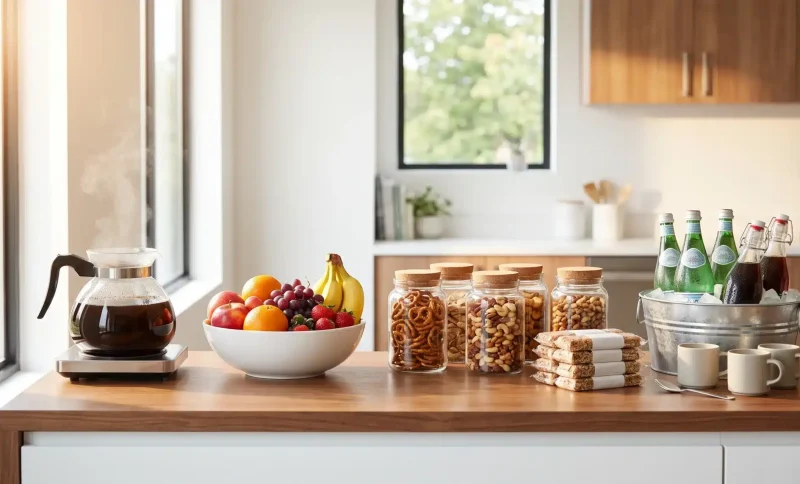
A good rotation mixes staples with a little variety. Think regular coffee and decaf, still and sparkling water, and a couple of rotating snack options so things don’t get boring.
The key is not changing everything at once. Keep the most popular items as permanent fixtures, then use a smaller portion of the order for new flavors, seasonal products, or different snack choices.
Pay attention to what disappears first and what sits untouched for weeks. After a few restocking cycles, those patterns make it much easier to build a rotation around what employees actually want instead of guessing.
Coffee and Drinks
Coffee is the anchor of any breakroom, so don’t skimp here. Pair a solid drip option with cold brew or canned cold coffee for the afternoon crowd, and keep a few sodas or sparkling waters on hand too.
It’s also worth remembering the supplies around the coffee. Cups, lids, filters, sweeteners, creamers, and stirrers are easy to overlook until somebody reaches for one and discovers the box is empty.
For drinks, a small but dependable selection is usually enough. Water should be easy to grab, while a few caffeinated, carbonated, and caffeine-free choices can cover different preferences without overcrowding the fridge.
Snacks That Actually Get Eaten
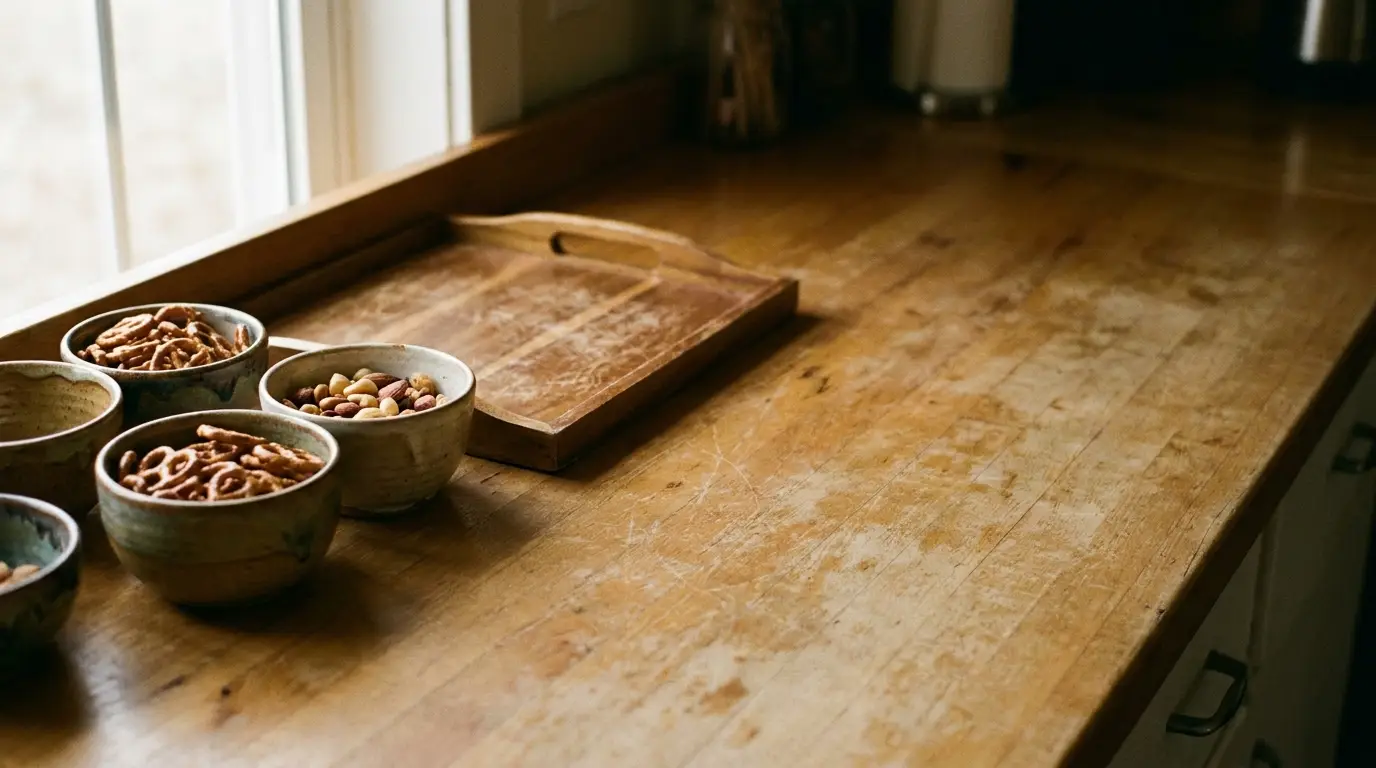
Skip the giant variety pack nobody touches. Stick to a handful of proven favorites like pretzels, trail mix, and something sweet, then swap in seasonal snacks every few months.
A little balance helps too. Salty, sweet, and lighter options give employees choices without requiring dozens of different products. Individually packaged snacks can also make it easier to see what’s running low and keep the breakroom organized.
Don’t assume that more options automatically mean a better setup. Five snacks people consistently eat are usually a smarter purchase than twenty choices that leave half the box untouched.
What This Means for Office Managers
If you’re managing this for a whole office, consistency matters more than variety. Running out of coffee filters on a Monday is a bad look, and repeatedly making emergency supply runs quickly turns a simple responsibility into another weekly chore.
The easiest approach is to establish a predictable restocking routine and keep a basic inventory of the items that disappear fastest. That makes it easier to reorder before supplies reach zero rather than waiting for someone to point out what’s missing.
Some offices handle this by working with a beverage distribution company that keeps drinks, coffee, and supplies stocked on a schedule instead of relying on someone remembering to order more. This can be particularly useful for larger offices or workplaces that go through beverages quickly.
Choosing What to Stock
Start small. Track what actually disappears each week, then build your next order around it instead of guessing.
Consider how many people regularly use the breakroom, how often supplies are replenished, and which items have the shortest shelf life. An office with twenty employees needs a very different stocking plan from a workplace with several departments and multiple shifts.
Employee preferences can also change over time. Rather than committing to large quantities immediately, test new products in smaller amounts and see how quickly they move. If something consistently disappears, add more on the next order. If it sits there, replace it with something else.
That simple feedback loop keeps spending focused on things people actually use.
Final Thoughts
A breakroom that people enjoy tends to reflect a workplace that pays attention to small things. It doesn’t need an enormous snack wall or an expensive coffee setup to work.
Start with good coffee, dependable drinks, and a few snacks people genuinely like. Keep an eye on what gets used, restock the essentials before they disappear, and let the rest of the setup evolve from there.