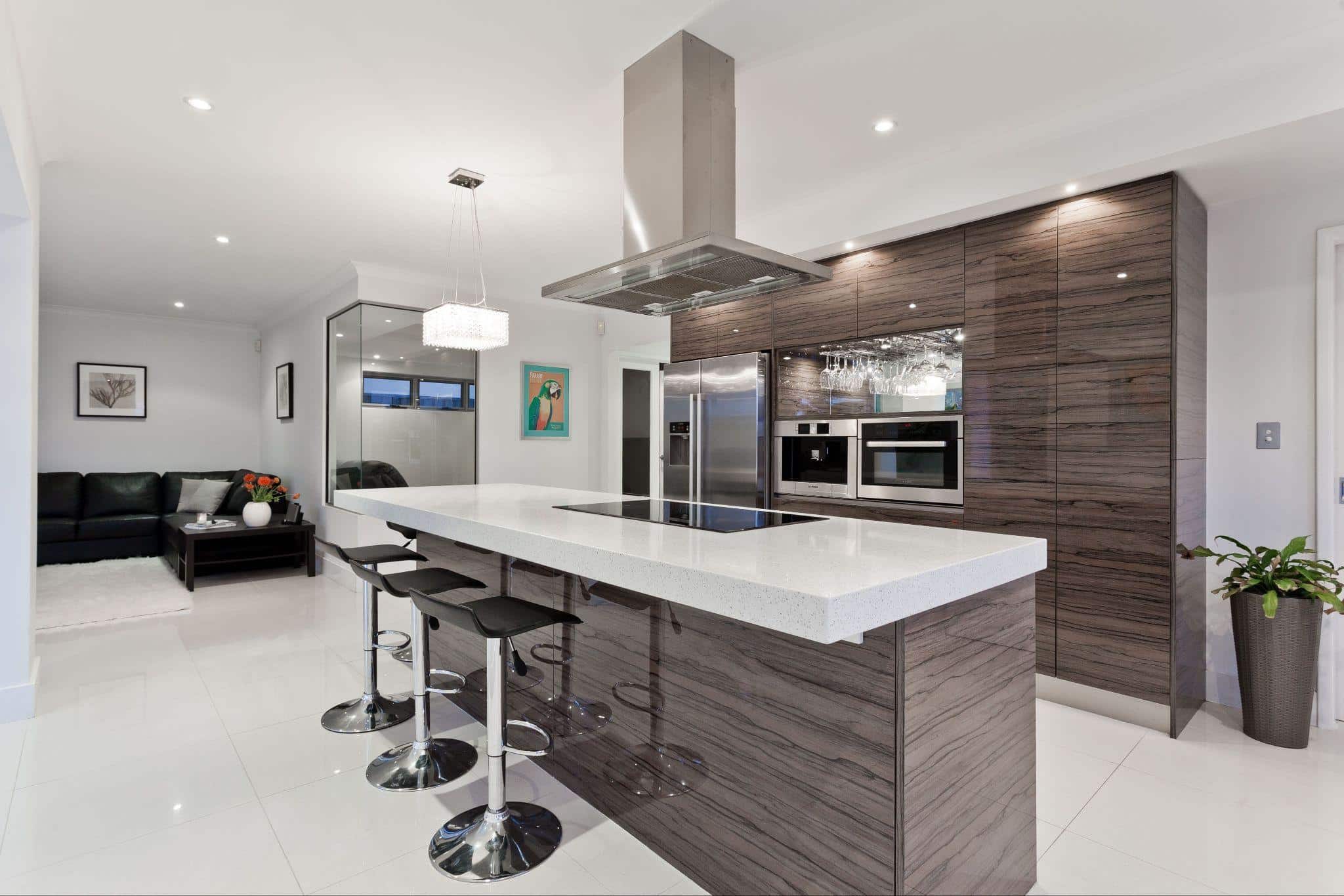
For a long time, the kitchen has been considered the heart of the home. It’s where meals come together, conversations happen, and family routines often begin and end. But lately, the idea of what a “kitchen” looks like has been changing.
More homeowners are expanding the cooking experience beyond the four walls of the house. Outdoor kitchens are becoming more common, while indoor kitchens continue evolving with smarter appliances and more efficient layouts. Instead of choosing one or the other, many homes are starting to embrace both.
So where is home cooking really headed? The answer might be a mix of indoor comfort and outdoor creativity.
Why Indoor Kitchens Still Matter
Indoor kitchens aren’t going anywhere. In fact, they are becoming more thoughtful and more efficient than ever.
Today’s indoor kitchens are designed around how people actually cook and live. Instead of purely decorative spaces, homeowners want kitchens that are easy to use, comfortable to move around in, and practical for everyday meals. When a kitchen feels intuitive and welcoming, it naturally becomes a place people gather.
Modern upgrades are also making indoor cooking easier and more energy efficient. Appliances like induction cooktops, convection ovens, and energy-efficient refrigerators help reduce wasted heat and electricity while improving cooking performance. For example, induction cooktops transfer heat directly to cookware, making them more efficient than many traditional electric stoves.
Other changes focus on improving the feel of the space:
Multi-use islands for cooking, dining, and conversation
Energy-saving appliances that reduce household consumption
Indoor kitchens are also where most daily cooking still happens. Weeknight dinners, quick breakfasts, and meal prep for the week are simply easier inside where everything is close at hand.
But even with these improvements, many homeowners are starting to think beyond the indoor kitchen.
The Rise of Outdoor Kitchens
Outdoor kitchens used to mean a simple grill on the patio. Today, they can look more like a second cooking space entirely, reflecting how outdoor kitchens are evolving into fully functional entertainment areas.
Many outdoor setups now include built-in grills, prep counters, refrigerators, sinks, and even pizza ovens. Some homeowners go further with covered cooking areas, outdoor bars, and dining spaces designed for entertaining.
The appeal is easy to understand. Cooking outdoors changes the atmosphere completely. Instead of one person cooking inside while everyone else waits elsewhere, outdoor kitchens tend to turn the cooking process into a shared activity.
Guests gather around the grill, kids move between the yard and the table, and the cook becomes part of the conversation rather than separated from it.
Outdoor kitchens also solve a few practical problems.
Cooking outside keeps heat and cooking odors out of the house, which can make a big difference during warmer months. It also frees up space indoors during parties or family gatherings.
For many homeowners, the outdoor kitchen isn’t just about cooking. It’s about turning the backyard into a social hub.
Indoor Kitchens Are Becoming Smarter
One interesting trend is that indoor kitchens are becoming more technologically advanced.
Smart appliances can now connect to phones, adjust cooking temperatures automatically, or alert homeowners when food is ready. Some refrigerators track grocery items, while ovens can be preheated remotely.
Energy efficiency is another major focus. Kitchens use a lot of electricity and water, so small changes can have a noticeable impact. Upgrading appliances, running dishwashers only with full loads, and using efficient cooking settings can significantly reduce energy use over time.
Even design choices play a role. Sustainable materials, natural lighting, and thoughtful layouts all help reduce waste and energy use while creating a more comfortable space to cook.
These upgrades make indoor kitchens more capable than ever—but they also complement the outdoor trend rather than replace it.
Outdoor Kitchens Encourage a Different Style of Cooking
Outdoor cooking tends to change the types of meals people prepare.
Grilling, smoking, and wood-fired cooking all become more accessible when the equipment is already built into the backyard. Meals often become more relaxed and social, focusing on shared dishes rather than formal plating.
Outdoor kitchens also encourage people to cook seasonally. Fresh vegetables, simple grilled meats, and easy side dishes often take center stage. The process becomes more about enjoying the environment than following complex recipes.
In many ways, outdoor cooking reconnects people with a slower, more relaxed style of preparing food.
The Blended Kitchen Trend
Instead of replacing indoor kitchens, outdoor kitchens are becoming part of a larger trend: blended cooking spaces.
Homes are increasingly designed with a connection between indoor and outdoor areas. Large sliding doors, covered patios, and open layouts allow cooking to move easily between the two environments.
For example:
Indoor kitchens handle daily cooking and meal prep
Outdoor kitchens are used for gatherings, grilling, and weekend meals
Shared dining areas bridge the two spaces
This setup allows homeowners to use each kitchen for what it does best.
The indoor kitchen remains the reliable, year-round workspace. The outdoor kitchen becomes a flexible extension of the home for social cooking and entertaining.
Sustainability Is Influencing Kitchen Design
Another reason kitchens are evolving is the growing interest in sustainability.
Cooking spaces can produce a surprising amount of waste, from food scraps to energy consumption. That’s why many homeowners are looking for ways to make their kitchens more environmentally friendly.
Some of the most common changes include:
Choosing energy-efficient appliances
Using durable materials like stainless steel, glass, or wood
Reducing plastic and disposable products
Composting food scraps and managing waste more responsibly
Sustainable kitchen design doesn’t always require a major renovation. Even small habits—like cooking efficiently or using reusable storage—can reduce environmental impact over time.
Outdoor kitchens can also support sustainability by encouraging simple cooking methods like grilling or wood-fired cooking, which often require fewer processed ingredients and less energy overall.
What the Future Kitchen Might Look Like
If current trends continue, the kitchens of the future will likely combine comfort, efficiency, and flexibility.
Instead of one central cooking space, homes may include multiple areas designed for different purposes.
A typical setup might include:
A smart, energy-efficient indoor kitchen for everyday meals
An outdoor cooking area designed for entertaining
Flexible dining spaces that connect the two
The goal isn’t just cooking food—it’s creating an environment where cooking becomes a shared experience.
People want kitchens that make daily life easier but also encourage connection with family and friends.
Final Thoughts
Indoor kitchens remain the backbone of home cooking. They’re efficient, reliable, and designed for everyday use.
Outdoor kitchens, on the other hand, bring something different. They turn cooking into a social activity and extend the living space of the home.
Rather than competing with each other, the two styles are starting to work together.
The future of home cooking may not be about choosing indoor or outdoor kitchens. Instead, it’s about creating spaces where both can thrive—giving people more ways to cook, gather, and enjoy food together.
Suzanna Casey is a culinary expert and home living enthusiast with over 10 years of experience in recipe development and nutrition guidance. She specializes in creating easy-to-follow recipes, healthy eating plans, and practical kitchen solutions. Suzanna believes good food and comfortable living go hand in hand. Whether sharing cooking basics, beverage ideas, or home organization tips, her approach makes everyday cooking and modern living simple and achievable for everyone.