






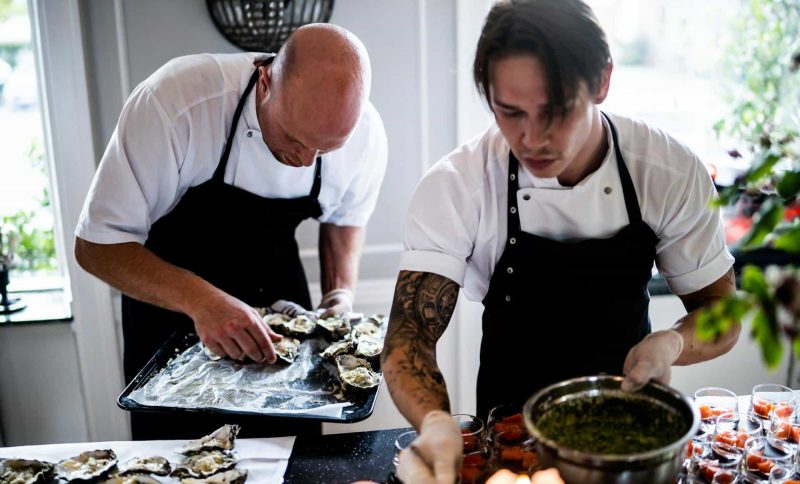
Every chef, whether working in a five-star restaurant or cooking in a modest home kitchen, relies on a foundation of timeless ingredients. In Australia, this foundation reflects both global culinary traditions and the unique bounty of the continent’s produce.
What distinguishes a reliable pantry from a fleeting trend is its enduring usefulness across cuisines, seasons, and cooking skill levels. In this exploration of the essential items every Australian chef treasures, we uncover the ingredients that never go out of style and why they remain central to great cooking.
Creating memorable meals begins long before the stove heats up. It starts with understanding how ingredients behave, how they enhance flavour, and how they connect with cultural and seasonal rhythms. For professional chefs and ambitious home cooks alike, a well-curated pantry is both a toolkit and an inspiration.
The Heart of the Pantry: Staples Across Cuisines
At the core of every chef’s pantry are ingredients that provide flavour, structure, and versatility. These are not the latest trends from a food magazine; they are the building blocks that have anchored kitchens for generations.
Flour and grains sit at the top of this list. From baking crusty sourdough loaves to making silky pasta and thickening sauces, flour adapts to countless tasks. Whole grains such as rice, barley, and quinoa bring diversity in texture and nutrition, capable of anchoring simple weekday meals or complementing refined dishes.
In Australia’s multicultural food landscape, these staples bridge influences from Italian risotto to Middle Eastern pilafs and Asian fried rice.
Oils and fats are next in importance. Olive oil, prized for its nuanced flavour and healthful profile, is indispensable in Mediterranean-inspired dishes, dressings, and sautéing. Neutral oils like canola or grapeseed offer high heat tolerance for frying and baking without overpowering delicate flavours.
Butter, cherished for its richness, remains essential in baking and sauces. Beyond pure utility, fats influence mouthfeel and aroma, underscoring why chefs protect the quality and freshness of these pantry cornerstones.
Dry legumes and pulses such as lentils, chickpeas, and beans bring both substance and adaptability. They can be transformed into hearty soups, vibrant salads, or pureed spreads.
Their increasing popularity aligns with broader shifts toward plant-based eating, yet their culinary value extends far beyond dietary trends; these ingredients have underpinned nutritious diets across cultures for millennia.
Herbs, Spices, and Seasonings: The Language of Flavour
Where staples provide the base, herbs and spices bring dishes to life. Fresh herbs like parsley, coriander, basil, and thyme introduce brightness at the finish, while dried herbs preserve essential aromas year-round. Chefs understand that the freshness of herbs dramatically impacts the final dish, so they stock both fresh and dried to suit the purpose and season.
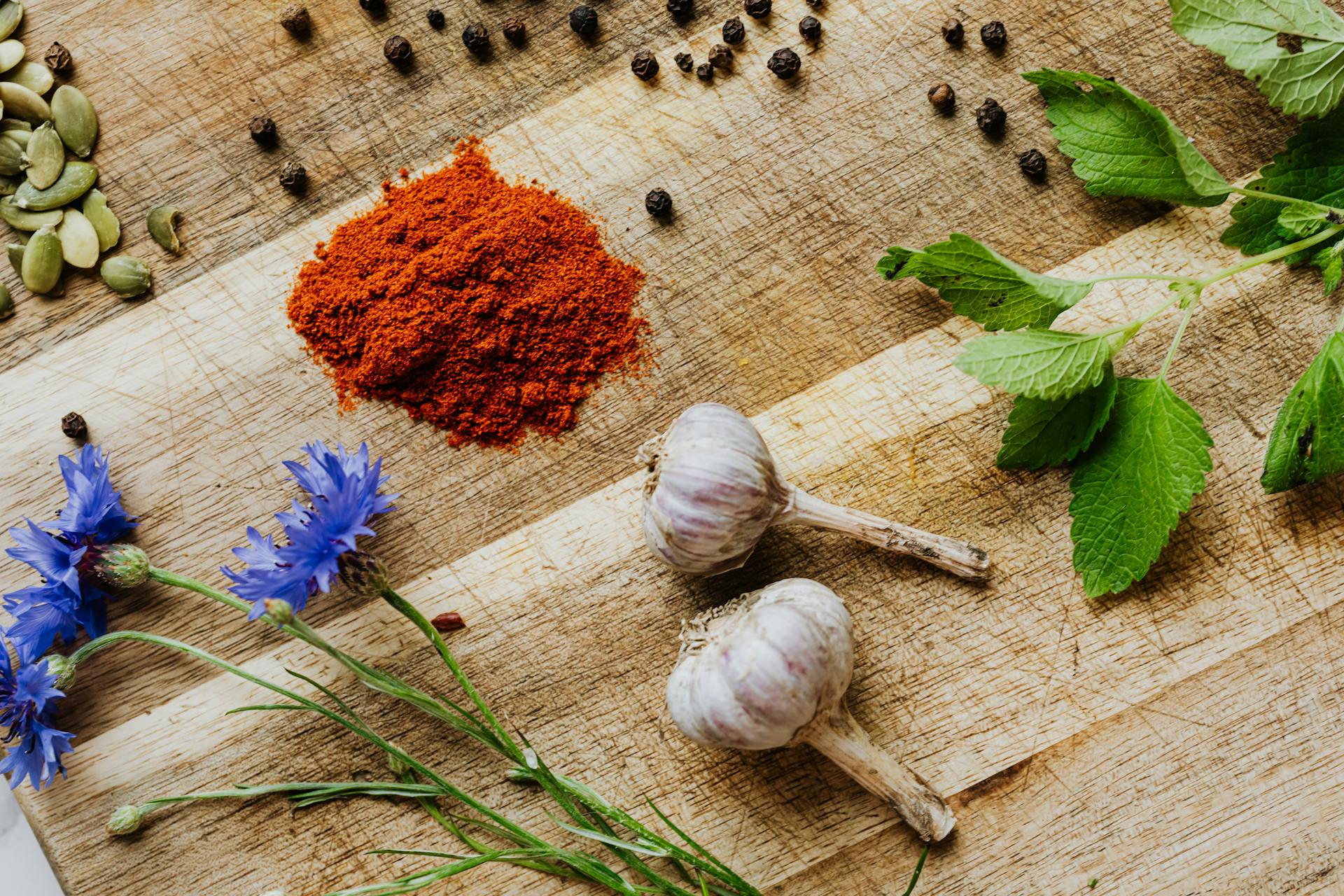
Spices—whether whole or ground—are the vocabulary of flavour. Black pepper remains ubiquitous, valued for its sharp, subtle heat. Cumin, paprika, cinnamon, and turmeric each carry distinct cultural legacies and culinary identities.
Blends such as za’atar, garam masala, and smoky barbecue rubs further expand the chef’s expressive range. Understanding how spices interact—how heat alters flavour, how toasting unlocks aroma—is a craft developed over years of practice.
Salt, often taken for granted, is essential for balance and enhancement. Beyond table salt, chefs rely on sea salts, kosher salt, and finishing salts to adjust texture and depth. The discipline of seasoning—with restraint and precision—is what elevates good food to exceptional.
Aromatics: The Foundations of Savoury Cooking
Aromatics are the unsung heroes of the kitchen. Onions, garlic, ginger, and shallots form the flavour foundation of countless recipes. These humble bulbs and roots release complex layers of sweetness, pungency, and warmth when gently sweated or caramelised.
Garlic, in particular, is beloved for its versatility, able to lead in dishes from pasta sauces to marinades, stir-fries to roasted vegetables. Ginger adds a fresh heat and brightness indispensable in Asian and fusion cuisines. Chefs pay close attention to the way aromatics are cut, cooked, and combined, knowing that these initial steps influence the entire cooking process.
The Role of Condiments and Preserves
Condiments and preserves reflect centuries of preservation techniques and cultural exchange. Vinegars—balsamic, red wine, apple cider—introduce acidity that balances rich flavours. Soy sauce, fish sauce, and miso bring umami depth that enriches stocks, marinades, and dressings. Mustards, chutneys, and pickles offer contrast and complexity, often transforming simple ingredients into memorable dishes.
Preserved lemons, capers, and olives are staples in Mediterranean-influenced kitchens, while fermented foods such as kimchi and sauerkraut lend tang and probiotics. These items are not mere flavour additions; they serve as bridges between cuisines and as tools for balancing texture and taste.
Dairy and Eggs: Texture and Binding Agents
While dietary preferences vary, dairy products and eggs remain indispensable in many culinary traditions. Milk, cream, yoghurt, and cheese contribute richness, acidity, and body. Cream transforms sauces with silkiness, yoghurt brings refreshing tang to dressings and marinades, and a well-aged cheese adds savoury complexity.
Eggs deserve special recognition for their multifunctionality. They bind, leaven, emulsify, and enrich. From baking cakes and custards to making pasta and mayonnaise, eggs are central to both savoury and sweet preparations. Their role in classical techniques underscores the importance of quality and freshness.
Fresh Produce: Local, Seasonal, and Sustainable
No discussion of pantry essentials is complete without acknowledging the role of fresh produce. In Australia, chefs cherish local and seasonal fruits and vegetables for their peak flavour and nutritional value.
While a pantry is traditionally defined by shelf-stable items, the dynamic interplay between these staples and fresh produce defines cooking practice.
Seasonality influences menus, shapes flavour pairings, and supports sustainable sourcing. Chefs build their practices around what is available locally, whether it’s leafy greens in winter, stone fruits in summer, or root vegetables in autumn. Respect for seasonality not only enhances taste but reflects a commitment to environmental stewardship and community connection.
Specialty Items with Lasting Value
Some ingredients gain prominence not because they are universally essential but because they consistently elevate specific dishes. For example, a chef in Melbourne might seek out nitrous oxide chargers for culinary foams or creative applications in modern gastronomy.
In such cases, chefs may search for ways to buy nangs Melbourne to support specialised techniques used in innovative kitchens. These niche tools often reflect deeper engagement with culinary craft rather than fleeting novelty.
Similarly, artisanal chocolates, rare spices, and specialty vinegars find their place in well-stocked professional pantries. Their value lies not in ubiquity, but in the richness they bring to particular recipes and creative aspirations.
Organising the Pantry for Efficiency and Inspiration
A well-stocked pantry is only as good as its organisation. Chefs prioritise storage that preserves quality and encourages creativity. Clear containers, proper rotation of inventory, and thoughtful labelling ensure ingredients remain fresh and accessible. Grouping items by use—baking, sauces, dry goods—helps cooks navigate their space with ease.
Beyond physical order, an intentional pantry reflects culinary identity. A chef who values Mediterranean cuisine will stock different items than one focused on pan-Asian flavours. Yet the underlying principle remains: thoughtful selection and maintenance of staples empowers consistent, confident cooking.
Conclusion: The Value of Enduring Ingredients
The ingredients that never go out of style reveal much about the essence of cooking itself. They are reliable, versatile, and foundational. Flour and grains, oils and fats, herbs and spices, aromatics, condiments, dairy, and even specialty items each play a role in shaping the chef’s craft. Their enduring presence across kitchens around the world speaks to their intrinsic value.
For both professional chefs and passionate home cooks, understanding these ingredients deepens appreciation for technique and flavour. Building and maintaining a pantry with intention transforms everyday cooking from routine to artful expression.
In the ever-evolving world of food, these timeless elements remain steadfast, guiding cooks toward dishes that satisfy the palate and nourish the spirit.