






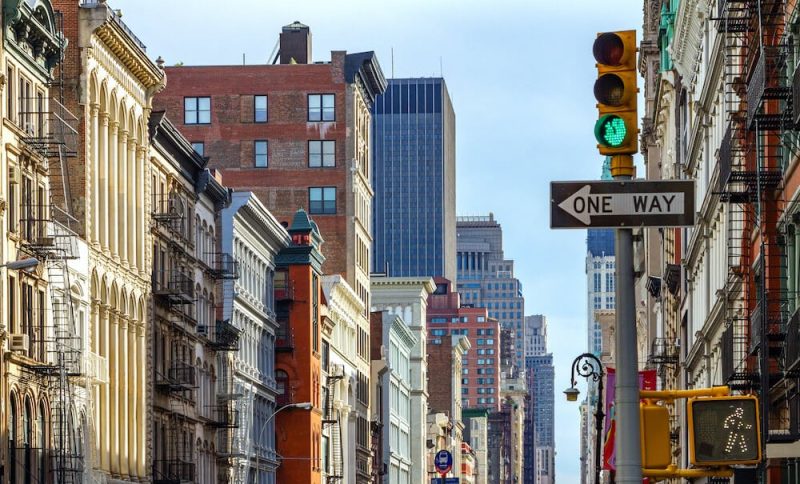
Why Food Is Central to Modern City Living
In New York’s dense, diverse neighborhoods, daily visits to local cafés, bakeries, and markets turn a big city into something personal. These neighborhood spots become “third spaces” where people of all backgrounds meet and mingle, helping residents feel at home. Over time, familiar routines – like a morning coffee or a weekly grocery run – give comfort and community.
Food here is more than fuel; it’s a link to home and culture. In fact, researchers note that preparing and sharing familiar dishes in a new place “satisfies both hunger and the heart,” helping immigrants and locals alike reaffirm their identity and belonging. In short, good food in NYC grounds people and turns the city into a living neighborhood.
NYC: More Than Just a Visit
Moving to New York means trading tourist thrills for everyday life. At first, the city’s bustle can feel chaotic (so much so that someone quipped, “takeout is a food group and ovens are for storing clothes”). But as weeks pass, patterns emerge. You start finding go-to delis and corner stores instead of chasing every trendy spot.
You learn which bagel shop is reliable and which bodega has the spices you want. Gradually, the noise fades: baking at home on Sunday mornings becomes as normal as dinner out on Friday nights. This shift – from exploring to settling in – is when NYC stops feeling overwhelming and starts feeling manageable and even familiar.
Living in NYC for 30+ Days: Shaping Your Eating Habits
Staying a month or longer naturally balances indulgence and practicality. Instead of eating out every night, you build a weekly rhythm. You might treat yourself to a favorite restaurant meal, but many evenings are simple, home-cooked dinners or thoughtfully assembled leftovers. This fits national trends: by 2023 Americans hit an all-time low of 44.3% of food spending on groceries (versus 55.7% on dining out), but a long-term NYC resident often nudges that back toward the grocery side to save money. Surveys show the average American dines out about three times per month and orders delivery roughly 4.5 times per month. In practice, that can mean one pizza night, one homemade pasta night, and so on. The aim is variety and sustainability – to enjoy the city’s amazing restaurants without burning out or spending all your budget on takeout.
Why Neighborhood Living Matters
Living in one part of the city makes convenience valuable. When you’re just blocks from a grocery or favorite cafe, walking out for dinner often beats any long commute. Local spots become part of your daily rhythm, not just weekend outings. For example, a nearby coffee shop or bakery can quickly become your morning ritual or casual weekend hangout, serving as a neighborhood gathering place. Research on urban design finds that open-air cafés and parks create a “much more lively presence on the streetscape,” drawing passersby in and knitting the community together. Over time, returning to these familiar places grounds your day. You stop chasing social-media-famous eateries and start cherishing the hidden gems next door – the corner bodega, the family-run diner – that make city life feel human and manageable.
Neighborhoods Where Food and Daily Life Connect
- Lower East Side: This historic area is a living tapestry of old and new. Classic Jewish delis and bakeries (think bagels, knishes, bialys) sit side by side with trendy newcomers. Landmarks like Katz’s Delicatessen or Russ & Daughters coexist with artisanal cafes and pop-up kitchens. The result is a food scene layered with history – each block tells a story of immigrant flavors meeting modern tastes.
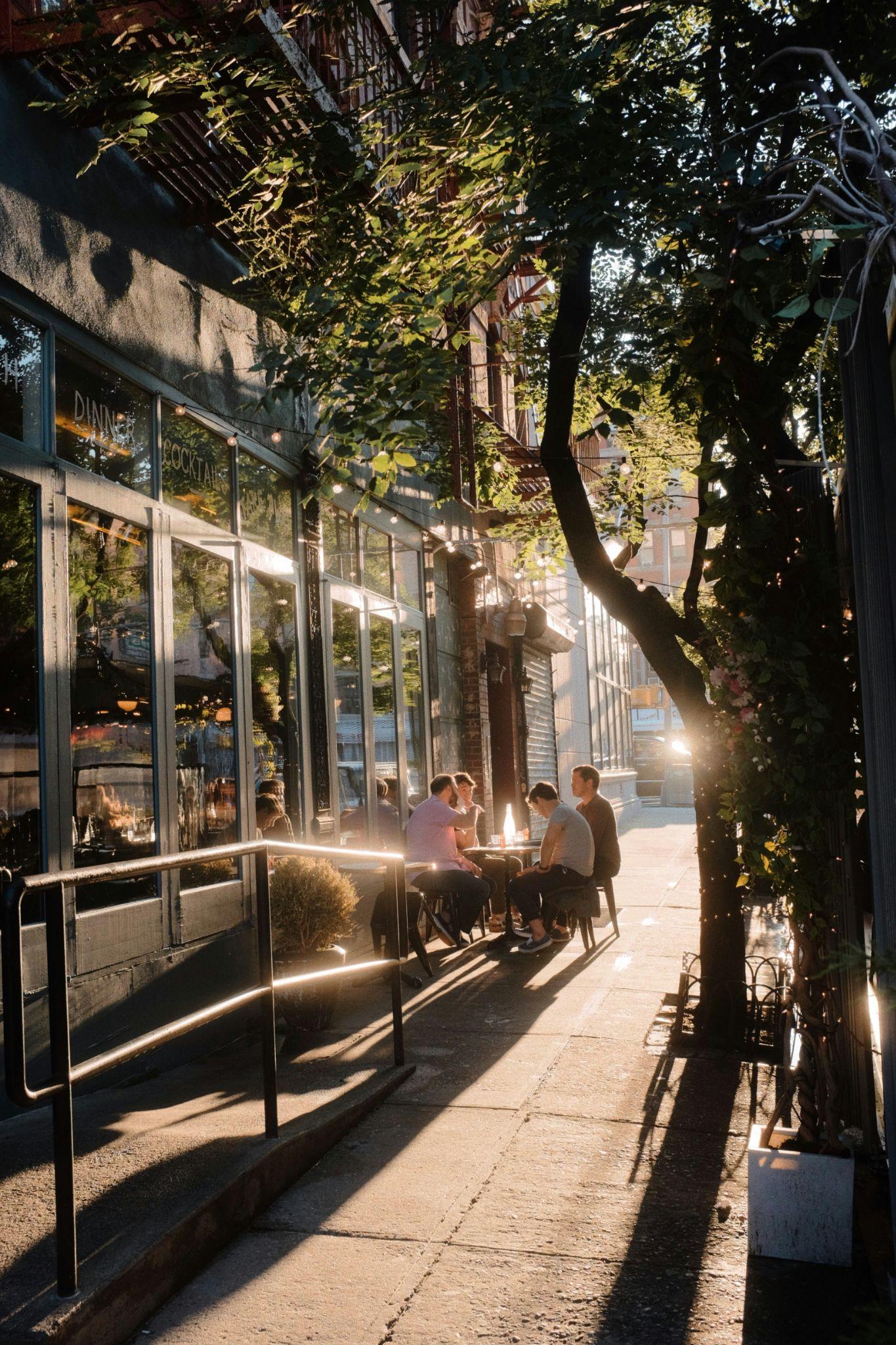
- Williamsburg (Brooklyn): Once known for industrial warehouses, Williamsburg today balances creativity with casual comfort. It’s filled with indie coffee shops, craft breweries, and brunch spots where you can linger. Here the vibe is laid-back: people enjoy good food without pretension. Early-morning cafes, artisan bakeries, and farm-to-table diners are woven into everyday life, appealing to those who love quality food and a neighborhood atmosphere, without needing constant excitement.
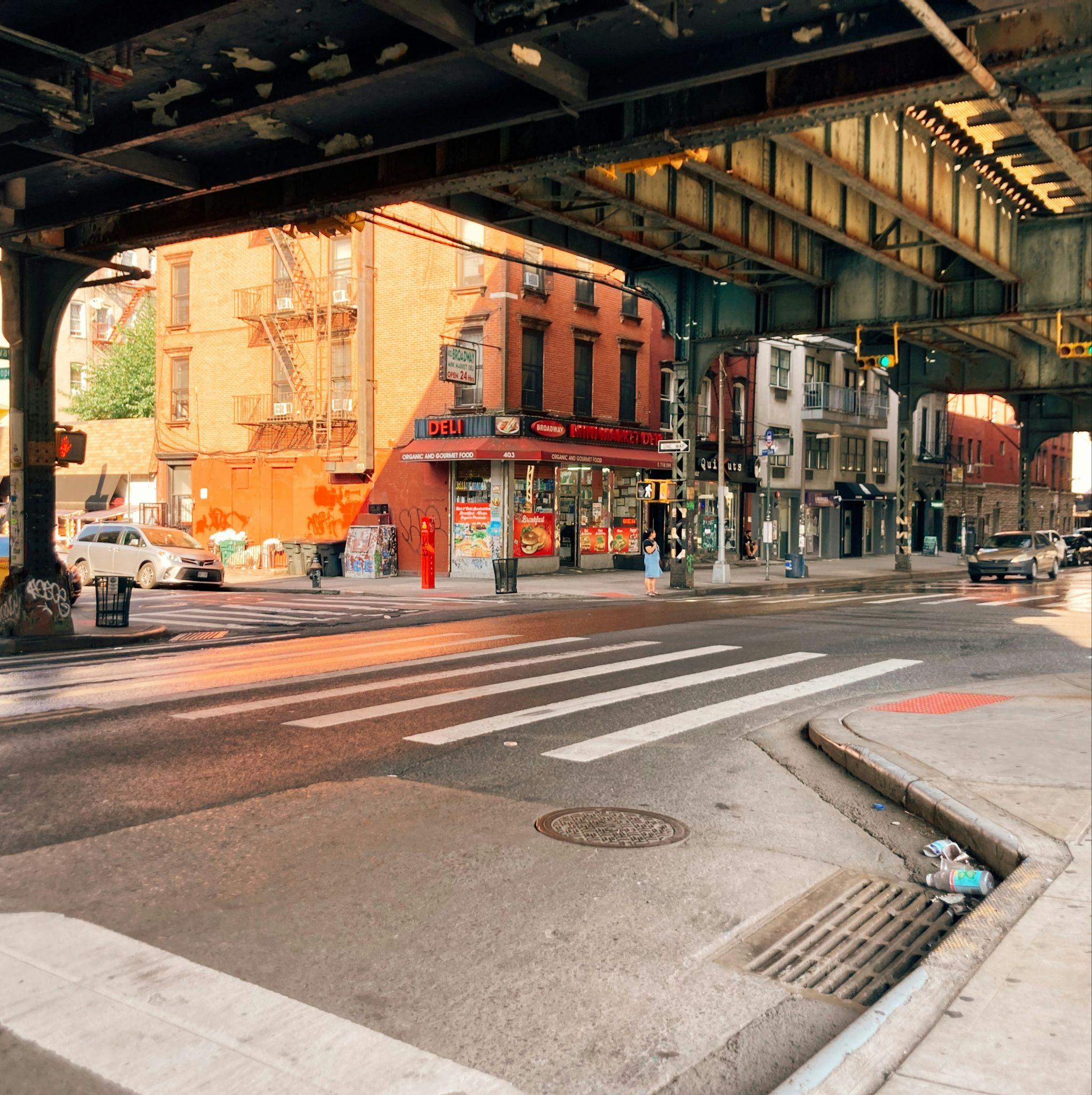
- Harlem: Rooted in rich cultural traditions, Harlem’s food scene centers on soul food, Caribbean and West African cuisines. Soul-food classics – fried chicken, collard greens, cornbread, macaroni and cheese – have long been staples here. The large Caribbean community also means dishes like jerk chicken, roti, and rice-and-peas are common on the dinner table. Living in Harlem lets you experience these flavors regularly: each meal reflects a community history that has been honored and adapted over generations.
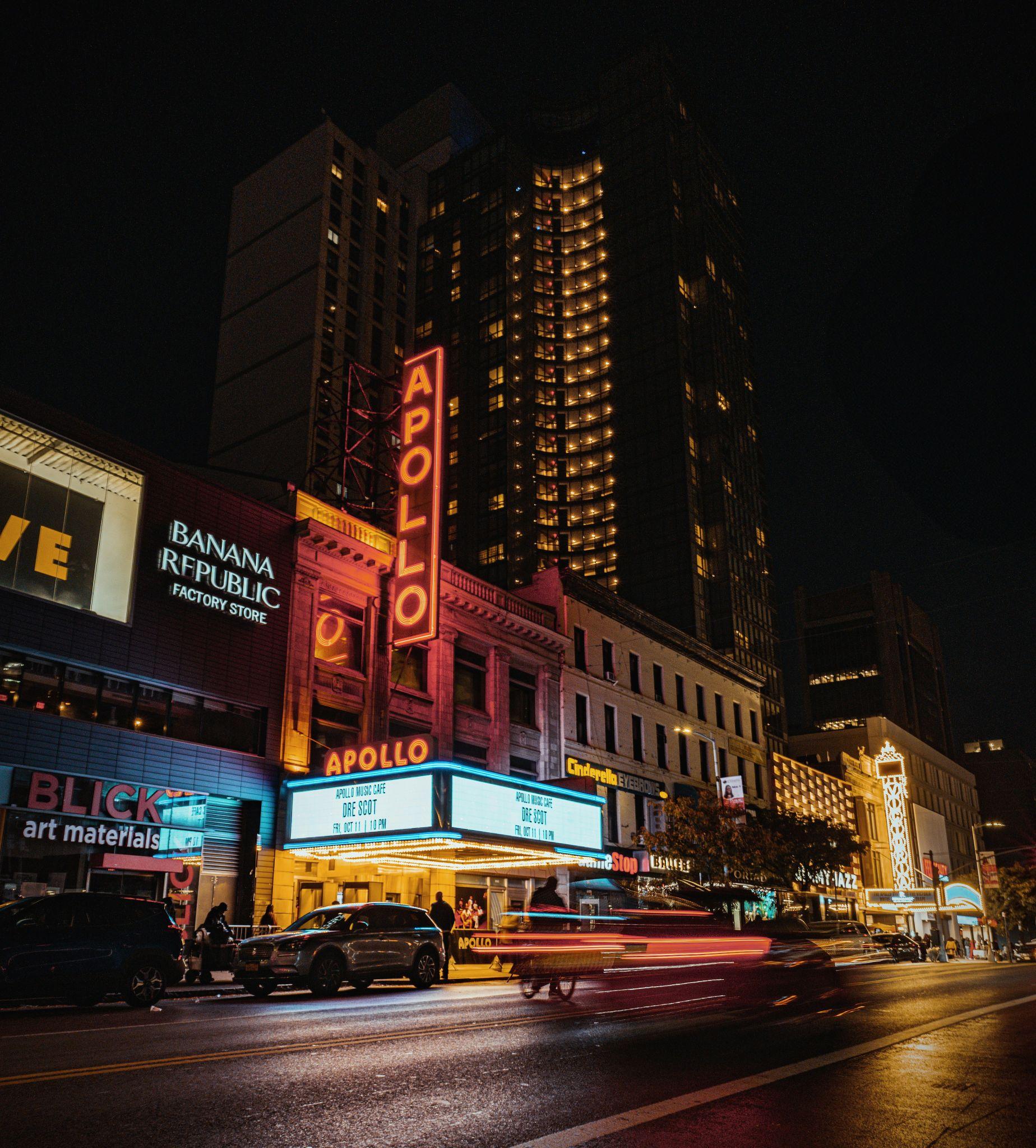
Modern Living Requires More Than a Bed
The Role of a Functional Kitchen
In a city famous for dining out, having a real kitchen can radically change daily life. With a full kitchen at home, you gain the freedom to cook when you want – from leisurely Sunday brunches to quick weeknight dinners. Studies back this up: one found that people who cook dinner frequently (seven or more times a week) tend to have significantly better diet quality than those who cook much less. In other words, cooking often leads to healthier eating overall.
Many serviced apartments in NYC recognize this: they come fully furnished with all kitchen appliances and utensils. That means as soon as you move in, you can stock the fridge and start cooking your own meals. A furnished kitchen makes takeout or dining out an option (and a treat), not a necessity – giving you balance and choice in how you eat.
Comfort and Settling In
Home design and comfort also support good habits. An apartment with plenty of natural light and thoughtful layout can boost mood and encourage you to spend time cooking or relaxing at home. Research shows that bright, airy living spaces improve well-being. Likewise, a tidy, well-organized kitchen makes cooking easier and more appealing: a healthy-lifestyle guide notes that keeping a kitchen “functional and well-stocked” makes it much simpler to prepare nutritious meals.
On the other hand, a cramped or cluttered space can push you to order in by default. Ensuring your home is a comfortable sanctuary – with good lighting, cozy furniture, and a clean kitchen – helps you build consistent routines. When your apartment feels inviting, staying in becomes as desirable as going out, reinforcing habits like cooking a meal or enjoying leftovers without any pressure.
Settling In With a Furnished Home
For anyone staying 30 days or more in NYC, moving into a fully furnished apartment can ease the transition. These rentals come ready-to-live-in, often with all furniture, bedding, and kitchenware included. You literally just unpack your clothes and you’re set. This convenience saves time and stress: you won’t spend days hunting for a dining table or hauling a refrigerator on public transit.
In fact, industry surveys note that the biggest perk of furnished rentals is this ease – you don’t have to worry about buying or assembling furniture, you can simply move in and live. Companies offering furnished apartments, such as Blueground even focus on locations where local shops and markets are nearby. With a proper kitchen and comforts already in place, residents can immediately establish cooking and shopping routines. In short, a well-equipped home supports a balanced lifestyle without the logistical headaches.
Designing a Food-Focused Routine in NYC
Living well in New York often comes down to simple daily choices. Consider:
- Stock a healthy kitchen. Keep fresh, whole foods on hand. A clean, well-stocked kitchen encourages cooking at home. As one guide notes, replacing frozen or packaged snacks with fresh produce and ingredients makes it much easier to whip up nutritious meals and feel energized throughout the dayapartments.com. Buying local fruits, vegetables, and grains from neighborhood stores can make weekly cooking fun and varied.
- Balance cooking and takeout. Mix restaurant nights with nights in. It’s perfectly normal to enjoy delivery or dining out sometimes – in fact, a majority of people (76%) report that eating takeout at home is more enjoyable, and 75% do it because it’s convenient. Use takeout strategically: maybe order from a beloved local spot on a busy weeknight, and cook a simple comfort meal the next evening. This way, takeout becomes part of your routine rhythm rather than something to do every day.
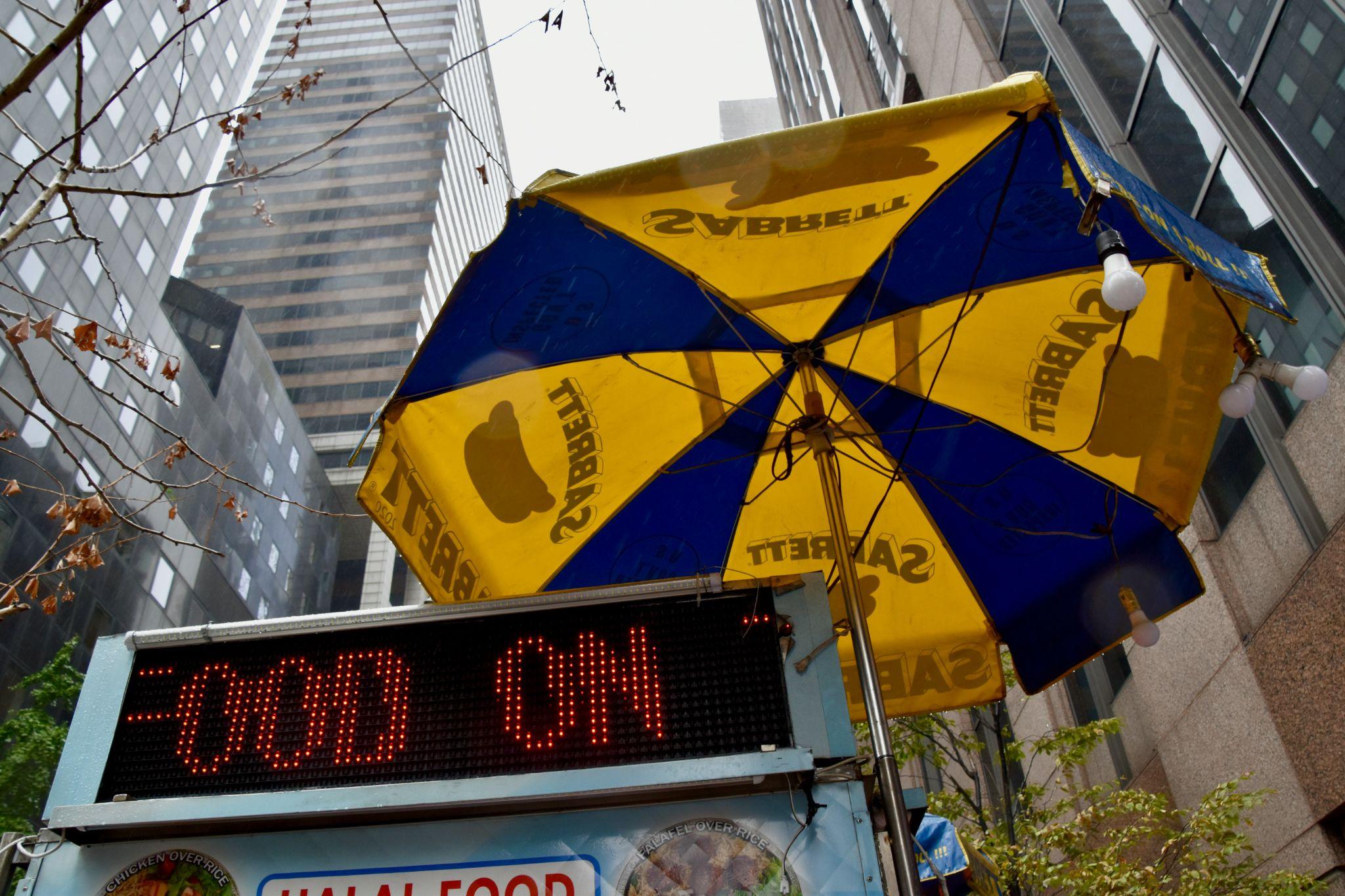
- Walk and explore locally. Whenever possible, walk to dinner or grocery shop. New York neighborhoods are usually walkable, and strolling to pick up ingredients doubles as exercise and exploration. You might discover a new bodega or a street-cart vendor you’d otherwise miss. Over time, these routes reinforce your connection to the neighborhood and make errands feel like part of your day instead of chores.
- Plan one step ahead. Spend a few minutes each week planning meals or a shopping list. Having a plan means you’re less likely to hit “order now” when you’re tired. For example, if you know you have pasta and veggies in the fridge, a quick stir-fry or salad is easy at home. Conversely, when your pantry is empty, it’s natural to call for delivery. A simple habit of restocking basics (rice, bread, eggs, etc.) means you can cook without last-minute stress.
By taking these small steps – shopping locally, cooking when you feel like it, and walking when you can – you turn food into the backbone of daily life. The city then supports your routine: familiar ingredients and easy takeout make each day smoother, and your home becomes a springboard, not a burden.
Conclusion: Food as a Foundation for Living
In New York City, modern life is a balance of excitement and routine. Food plays a central role in finding that balance. It connects us to culture, provides comfort in a busy place, and anchors our days with familiar sights and tastes. By choosing a home in the right neighborhood and letting local markets and eateries become part of your schedule, New York stops feeling overwhelming. Instead, it feels livable – even welcoming. When your home, neighborhood, and meals align, the city becomes not just a place you visit, but a home where you can thrive.