







Color is one of the first things people notice about food. It influences expectations of taste, signals freshness, and enhances overall appeal. As consumers become more conscious about ingredient sourcing and label transparency, the demand for natural food coloring has grown significantly. Among the various shades available, natural red food coloring plays a particularly important role due to its widespread use across food categories.
From bakery products to beverages, plant-based pigments are steadily replacing synthetic dyes in many formulations. This shift reflects changing priorities around ingredient familiarity, clean-label positioning, and sustainability.
What Is Natural Food Coloring?
Natural food coloring refers to pigments derived from natural sources such as fruits, vegetables, spices, algae, and edible plants. Instead of being chemically synthesized, these colors are extracted and processed to maintain safety, consistency, and usability in food applications.
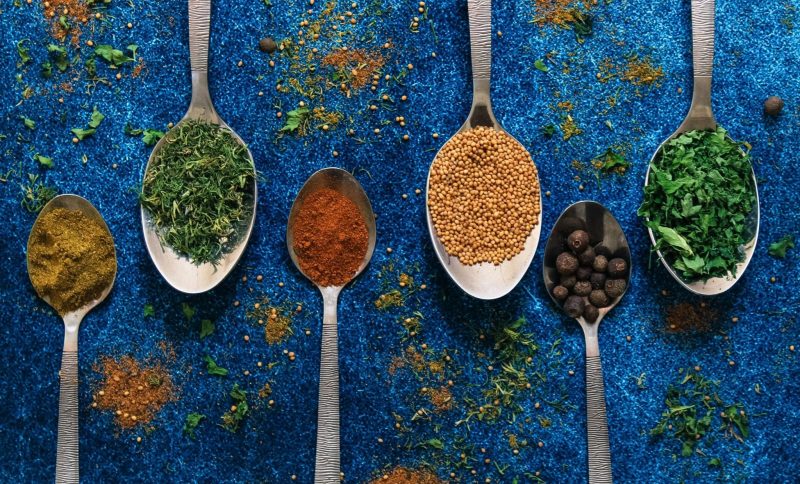
Common natural pigment sources include:
- Turmeric for yellow tones
- Paprika for orange hues
- Leafy plants for green shades
- Algae-based extracts for blue pigments
- Botanical and fruit sources for red tones
The growing popularity of natural food coloring is linked to increasing consumer awareness. Many buyers now prefer ingredient lists that feature recognizable, plant-based sources rather than artificial color codes.
While natural pigments may require more careful handling than synthetic dyes, advances in technology have improved their stability and performance across multiple food systems.
Understanding Natural Red Food Coloring
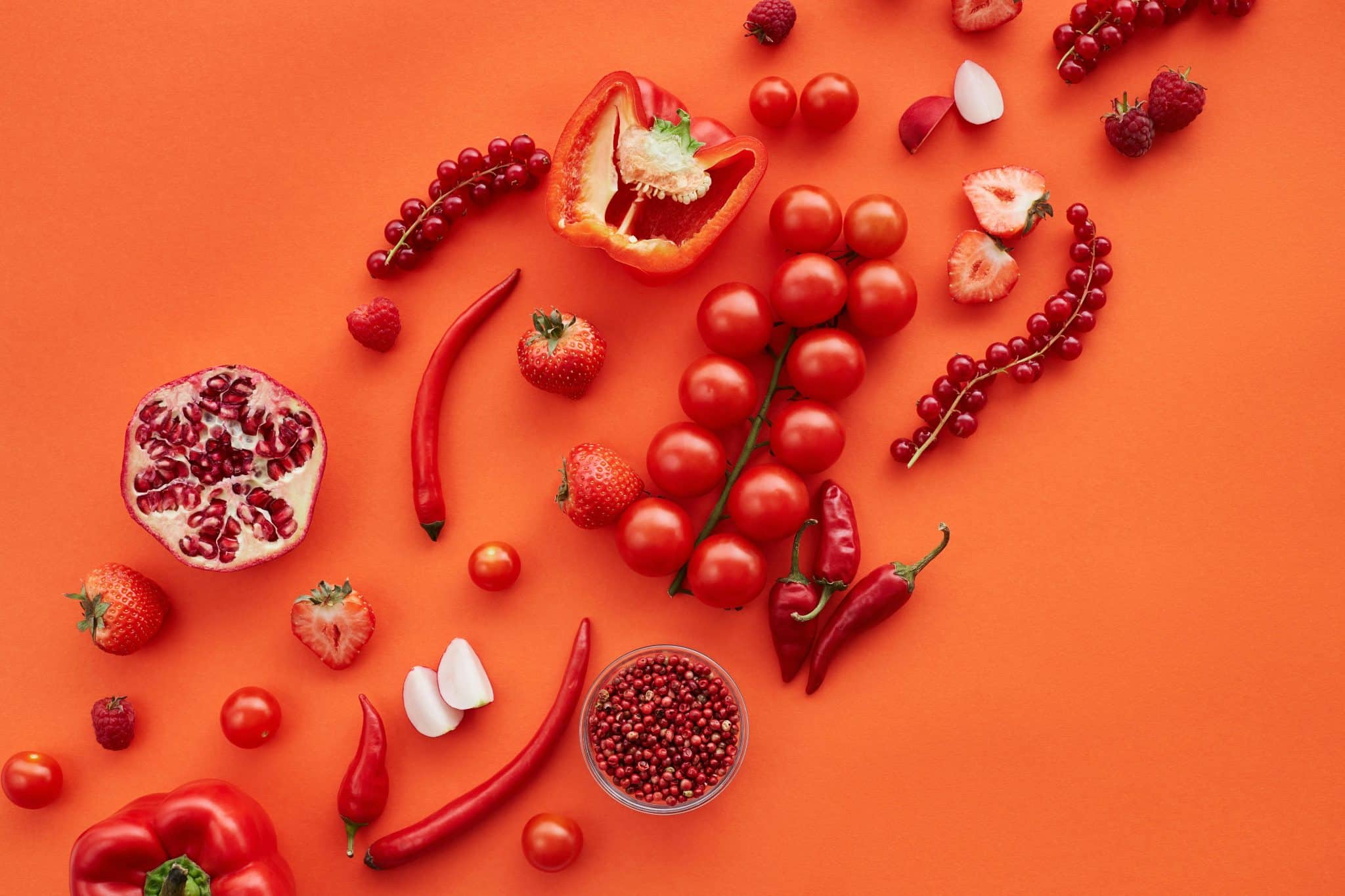
Among all color categories, red is one of the most widely used and visually impactful shades. Natural red food coloring is derived from plant-based or mineral sources rather than artificial dyes.
Common sources of natural red pigments include:
- Beetroot extracts
- Fruit-derived anthocyanins
- Paprika concentrates
- Other botanical extracts capable of producing red hues
These pigments can range in color from soft pink to deep crimson depending on concentration, processing, and formulation conditions.
Red is often associated with sweetness, ripeness, indulgence, and bold flavor — which explains why natural red food coloring is so important in confectionery, dairy, beverages, and bakery products.
Applications of Natural Red Food Coloring
Natural red food coloring is widely used in products where visual appeal directly influences consumer perception.
Typical applications include:
- Frostings, icings, and cake decorations
- Candies and confectionery coatings
- Yogurts and flavored dairy products
- Fruit-based beverages and juices
- Snack seasonings
Within the broader category of natural food coloring, red pigments are particularly valuable because they enhance the appearance of fruit flavors and dessert products.
Their versatility allows them to be used in both small-scale culinary settings and large-scale industrial production.
Challenges of Using Natural Food Coloring
Although demand for natural food coloring continues to rise, formulation challenges remain. Natural pigments, including red ones, are more sensitive to environmental conditions compared to synthetic alternatives.
Key considerations for natural red food coloring include:
- Sensitivity to pH levels
- Heat exposure during processing
- Light-induced fading
- Variability in raw material quality
For manufacturers, maintaining consistent shade intensity and stability often requires additional formulation adjustments. Transitioning to natural pigments is typically a strategic reformulation process rather than a simple ingredient swap.
Why Natural Food Coloring Continues to Grow
The increasing use of natural food coloring reflects broader changes in consumer expectations. Transparency, sustainability, and ingredient familiarity are influencing purchasing decisions more than ever.
Technological improvements in pigment extraction and stabilization are helping natural alternatives perform more reliably across diverse food systems. As innovation progresses, natural red food coloring and other plant-based pigments are becoming more practical for mainstream applications.
This ongoing development suggests that natural pigments are not a temporary trend but a lasting shift in food formulation strategies.
Conclusion
The rise of natural food coloring highlights a growing emphasis on ingredient awareness and product transparency. Within this landscape, natural red food coloring stands out as a versatile and visually impactful option for achieving vibrant red shades without synthetic dyes.
Although natural pigments present certain formulation challenges, advancements in processing and stabilization continue to expand their usability. As food systems evolve, plant-based color solutions are likely to remain central to how visual appeal and ingredient trust intersect in modern products.