Food has always been an important part of daily life. It creates routines, brings people together, and provides small moments of comfort during busy schedules. While food experiences have traditionally been connected with restaurants, cafés, and homes, workplaces are now becoming another environment where people expect better choices and easier access to what they need throughout the day.
The traditional office break room often provides only basic options, such as a coffee machine, refrigerator, and a few packaged snacks. However, today’s employees are looking for more variety, convenience, and flexibility when it comes to workplace food. They want solutions that fit their schedules without requiring them to leave the office every time they need a quick meal or refreshment.
This change has led many companies to explore an office micro market as a modern workplace food solution. Unlike traditional break rooms, micro markets create a more complete self-service food environment where employees can access beverages, snacks, fresh meals, and everyday essentials in one convenient location.
The growth of these workplace food spaces reflects a larger shift in how companies think about employee experience. Businesses are not only focusing on technology, productivity, and office design but also considering how everyday conveniences can create a more comfortable and supportive workplace. Bfoods helps businesses create convenient workplace food solutions through office micro markets and related services.
The Way People Eat During Work Is Changing
Workplace eating habits have changed significantly over the past several years. In the past, many employees followed a simple routine of bringing lunch from home, visiting a nearby restaurant, or using whatever food options were available inside the office. However, modern work schedules have become more flexible and demanding, with employees often balancing meetings, projects, and responsibilities throughout the day.
Because of these changing routines, convenience has become a major factor in food decisions. Employees do not always have enough time to leave the workplace whenever they need a snack, beverage, or quick meal. They are looking for options that fit naturally into their day and allow them to save time without sacrificing choice.
This shift has encouraged companies to rethink the role of workplace food. Instead of treating refreshments as a small office benefit, many organizations now view food access as part of the overall employee experience. A well-designed food area can support productivity, improve convenience, and create a more welcoming environment.
Why Offices Are Moving Beyond Traditional Break Rooms
Traditional break rooms were mainly created for basic needs. Employees used them to store lunches, make coffee, or take short breaks between tasks. While these functions are still useful, many workplaces now recognize that food spaces can serve a much larger purpose.
A modern workplace food area can become a place where employees relax, communicate, and recharge during the workday. When designed properly, these spaces encourage employees to step away from their desks and create natural opportunities for interaction. This is especially valuable in larger organizations where teams may not regularly communicate outside of scheduled meetings.
Companies are upgrading their food options because employee expectations have changed. People are familiar with convenient shopping experiences, digital payments, and easy access to products in their personal lives. Bringing similar convenience into the workplace helps businesses create an environment that better matches modern expectations.
What Makes an Office Micro Market Different?
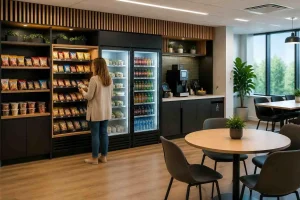
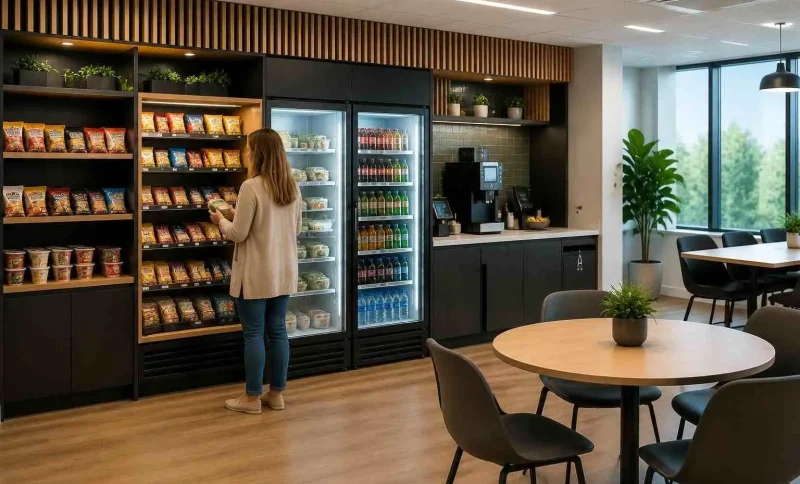
An office micro market brings the experience of a small convenience store into the workplace. Instead of relying on traditional vending machines with limited selections, micro markets usually include open product displays, refrigerated sections, beverage stations, and a wider range of food options.
The biggest difference is the overall experience. Employees can browse different products, compare choices, and select items based on their personal preferences. This creates a more natural shopping environment compared to a traditional snack machine, where options are often limited.
A modern micro market can include:
- Fresh meals and grab-and-go food
- Snacks and beverages
- Coffee and refreshments
- Healthier food options
- Everyday convenience products
The purpose is not simply to provide more food. It is to create a workplace environment where employees have easier access to options that support their daily routines.
Better Food Choices Can Improve the Daily Work Experience
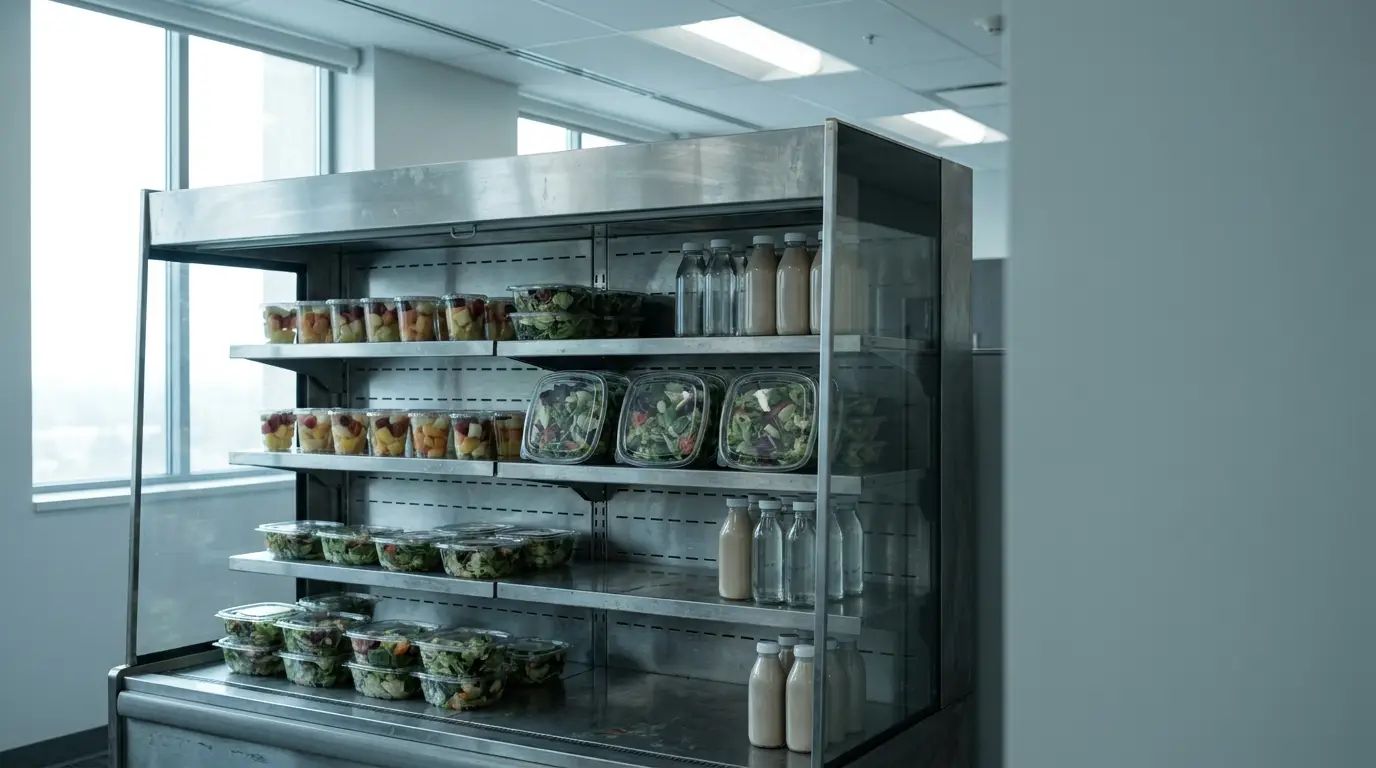
Food choices can influence how people experience their workday. When employees have convenient access to suitable food options, they can better manage busy schedules and avoid unnecessary interruptions. A quick snack between meetings or an available meal during a long shift can make daily routines easier.
A workplace micro market does not need to provide every possible food option. The important factor is understanding the needs of the people using the space. Different workplaces have different preferences, and employees may look for different combinations of snacks, beverages, fresh items, and healthier alternatives.
A thoughtful food program focuses on variety and accessibility rather than offering the same limited products for everyone. By providing more choices, businesses can create a workplace amenity that feels useful and relevant to their employees.
Micro Markets Create More Social Food Spaces
Food has always played a role in bringing people together. Coffee conversations, shared lunches, and casual breaks often create moments where employees connect beyond their regular work responsibilities. Modern workplace food areas continue this idea by creating more inviting spaces for interaction.
A comfortable micro market area can encourage employees to spend time away from their desks and communicate with coworkers from different teams. These small interactions may seem simple, but they can contribute to a stronger sense of workplace community.
In offices where employees spend much of their time focused on individual projects, shared spaces become even more important. A well-designed food environment gives people a reason to pause, connect, and experience the workplace in a more social way.
Workplace Micro Markets Reflect Modern Food Trends
The rise of workplace micro markets is connected to broader changes in how people access food outside the office. Consumers today are used to convenience, flexibility, and personalized choices. They shop through digital platforms, use self-service options, and expect quick access to products that match their preferences.
Workplaces are adapting to these same expectations. Employees want food solutions that fit their lifestyles without adding extra effort to their day. Modern micro markets bring familiar convenience into professional environments by creating accessible food spaces inside the workplace.
This approach gives employees more flexibility. Instead of planning every snack or meal in advance, they have another option available whenever they need it during the workday.
Convenience Matters for Businesses and Employees
For employees, one of the biggest advantages of workplace food solutions is simple convenience. Having access to refreshments inside the office saves time and allows people to stay focused on their responsibilities. This is especially valuable in workplaces where nearby food options may be limited.
For businesses, providing better food access can become part of a broader employee experience strategy. While workplace amenities alone do not determine employee satisfaction, small improvements in daily routines can influence how people view their work environment.
A clean, organized, and reliable food area shows that a company pays attention to employee needs. These small details can contribute to a workplace culture where employees feel supported and valued.
Supporting Different Workplace Environments
Every workplace has different food requirements. A small office may only need a simple selection of beverages and snacks, while a larger organization may require a more complete food solution that supports many employees throughout the day.
Different industries also have unique needs. Healthcare workers, manufacturing employees, warehouse teams, and corporate professionals often have different schedules and break patterns. A solution that works for one workplace may not be suitable for another.
The most effective workplace food programs are flexible and designed around employee habits. Companies can consider factors such as workplace size, employee preferences, operating hours, and available space when creating a food environment that works for their team.
The Future of Workplace Food Is More Personalized
The future of workplace food is moving toward more personalized and flexible experiences. Employees increasingly expect options that match their schedules, preferences, and lifestyles. Businesses, meanwhile, are searching for solutions that improve workplace satisfaction without creating unnecessary operational challenges.
Modern micro markets represent this shift by combining convenience, technology, and better food accessibility. They provide employees with more control over their food choices while allowing companies to create a more engaging workplace environment.
As offices continue evolving, food areas will likely become an even more important part of workplace design. The traditional break room is transforming into a more flexible space that supports comfort, connection, and everyday convenience.
Final Thoughts
The way people experience food at work is changing. Employees are no longer satisfied with limited workplace refreshment options because their expectations have evolved alongside modern shopping and dining experiences. They want convenient access, better choices, and solutions that fit naturally into their busy schedules.
Office micro markets provide businesses with a practical way to improve workplace food access while creating a more enjoyable environment for employees. By bringing together convenience, variety, and self-service technology, these spaces represent the future of workplace refreshments.
As companies continue focusing on employee experience, workplace food solutions will remain an important part of creating offices where people feel comfortable, connected, and supported.