






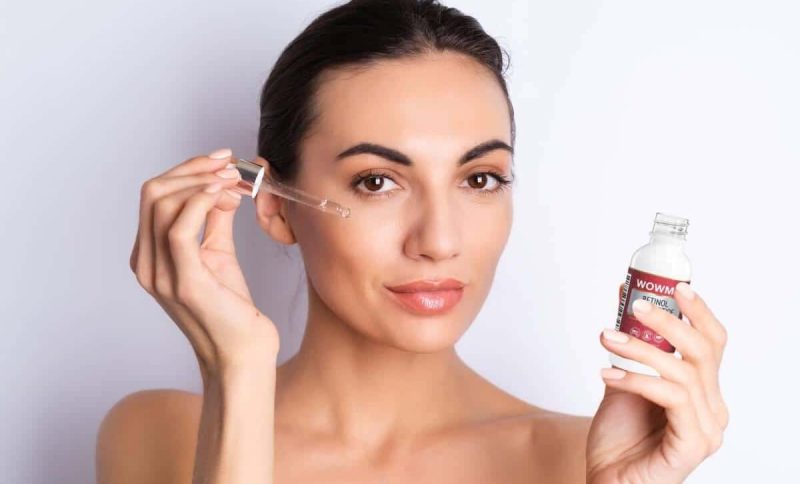
Retinol is a skincare ingredient that has been discussed a lot- and rightly so. In wrinkle reduction and skin texture enhancement, this is a well-known powerhouse ingredient that has been recommended by both dermatologists and skincare experts. However, regardless of its popularity, most individuals still do not understand the nature of retinol, its functionality, and whether it suits their skin.
Here in this guide, we will deconstruct all the information you need to know about retinol, its effects, its safe usage, and the best tips to use it without irritating your skin.
What is Retinol?
Retinol is a kind of retinoid, which is a form of vitamin A. It is the main ingredient in many over-the-counter skincare products, while stronger forms of retinoids are only available by prescription.
Vitamin A is very important for skin health as it controls the rate of skin cell turnover and increases the synthesis of collagen. Retinol, as a less potent form of retinoid, provides the same benefits, but it can be used regularly without a prescription.
Retinol is most often used in creams, serums, and lotions that are formulated to fight the signs of aging, acne, and uneven skin tone.
How Retinol Works on the Skin
The cellular action of retinol is to enhance the functionality and appearance of your skin over the long run. After application, it infiltrates under the skin and becomes retinoic acid, the active ingredient that can easily be utilized by skin cells.
The process helps accelerate cell turnover, thereby helping to stimulate the process of shedding off old cells on the skin, which is dry and rough, to expose smooth and fresh skin beneath. Meanwhile, retinol also triggers collagen synthesis that helps to maintain skin firmness and decrease the formation of fine lines and wrinkles.
It is also capable of taking care of the breakouts and blackheads by keeping pores clean and not allowing the pores to build up with dead skin cells. In addition, retinol improves the skin color and tone as it smoothes the rough spots and color discoloration eventually fades away.
Due to all these combined effects, retinol has become a multitasking ingredient, which is capable of dealing with a variety of skin issues at the same time.
Key Benefits of Retinol in Skincare
- Reduces Fine Lines and Wrinkles: Retinol’s anti-aging power boosts collagen, minimizing fine lines and wrinkles for smoother, more youthful-looking skin.
- Improves Skin Texture: Retinol smooths rough, uneven skin by promoting cell turnover. This reveals softer, more refined skin over time.
- Fades Hyperpigmentation: Retinol can help reduce dark spots, sunspots, and post-acne marks. It promotes an even skin tone by encouraging new cell growth.
- Helps Treat Acne: Retinol clears pores and reduces oil, making it effective for acne-prone skin and helping prevent future breakouts.
How to Use Retinol Products Safely
Use retinol carefully by starting with a low concentration a few times weekly, then increasing gradually as your skin adapts. Apply retinol products at night, use only a pea-sized amount, and follow with moisturizer to prevent dryness. Always wear sunscreen during the day, as it increases your skin’s sensitivity to sunlight and UV damage.
Possible Side Effects of Retinol
When initiating retinol use, one might get some side effects initially as the skin gets used to it, a stage that is often called “retinization”. In that time, you might see redness, dryness, peeling, flaking, or slight irritation. Usually, these signs are short-lived and get better as the skin slowly becomes tolerant to the ingredient.
However, overdoing retinol or even starting with a concentration that is too high for your skin can make these effects worse. To lessen the hassle, it is advisable to add retinol gradually to your regimen, not to combine it with other potent active ingredients initially, and to use a mild cleanser together with moisturizing products that replenish the skin barrier.
If irritation persists or is extreme, it is a good idea to cut down the usage and get advice from a skin care specialist.
Who Should Use Retinol?
Retinol is compatible with a very large number of people, and it can be very effective for those who have early signs of aging, such as fine lines and wrinkles, as well as problems like uneven skin tone, hyperpigmentation, acne, clogged pores, or rough and dull skin texture.
By encouraging cell renewal and stimulating collagen production, it becomes a very flexible component in many people’s skincare regimen. On the other hand, this feature can be a drawback for some.
Those with extremely sensitive skin, pregnant or breastfeeding women, or people with skin conditions such as eczema or rosacea should either avoid retinol or at least see a skincare expert before starting to use it.
People who have just started using retinol products can be as young as their mid-20s or early 30s, which is often regarded as a good time to perform a preventive action for having healthy and youthful skin over the years.
Retinol vs Other Skincare Ingredients
Retinol vs Vitamin C:
- Retinol works on cell turnover and collagen production
- Vitamin C focuses on brightening and antioxidant protection
- Both can be used, but typically at different times (Vitamin C in the morning, retinol at night)
Retinol vs AHAs/BHAs:
- Retinol increases cell turnover from within
- AHAs/BHAs exfoliate the surface of the skin
- Using them together requires caution to avoid irritation
Retinol vs Prescription Retinoids:
- Retinol is milder and available over the counter
- Prescription retinoids are stronger and act faster, but may cause more irritation
Each ingredient has its own benefits, and choosing the right one depends on your skin type and goals.
Tips for Best Results with Retinol
Be Consistent:
Results take time. It may take 8–12 weeks to see noticeable improvements, so consistency is key.
Layer Smartly:
Apply retinol after cleansing and before moisturizing. For sensitive skin, you can use the “sandwich method” (moisturizer → retinol → moisturizer), according to Consumer Health Digest.
Avoid Over-Exfoliating:
Don’t combine retinol with too many active ingredients at once, especially in the beginning.
Listen to Your Skin:
If your skin feels irritated, take a break or reduce frequency.
Store Properly:
Keep retinol products in a cool, dark place to maintain their effectiveness.
Conclusion
Retinol is a potent and versatile ingredient in skincare that can really change the look of your skin if you use it in the right way. It’s not only effective in diminishing wrinkles and acne but also in enhancing the overall texture and tone of the skin. Different studies, as well as the actual experience of the users, confirm these effects.
But, being a strong active, retinol also demands that you be patient, regular, and that you use it properly. The key to winning is using it slowly at first, always shielding your skin with sunscreen, and keeping a well-organized skin care regimen.
Retinol is definitely one of the options you should look at if you want to upgrade your skin care and get skin that is not only healthy but is also glowing.