


Traveling for food sounds amazing until you’re scrolling through endless restaurant reviews, struggling with unfamiliar menus, or trying to find that hidden café you saved weeks ago.
The good news? Planning a food-focused trip doesn’t have to be complicated. A few smart travel habits and useful digital tools can help you discover authentic local dishes, navigate unfamiliar neighborhoods, and keep your plans organized without overthinking every detail.
Whether you’re exploring street food in Bangkok or hunting down the best pastries in Paris, these practical tips will help you spend less time stressing over logistics and more time enjoying great food.
Plan Your Food Adventures Before You Leave
A great food trip starts with curiosity, not an hour-by-hour itinerary. Before you go, find out what people actually eat in your destination. Look beyond the famous national dishes and explore regional specialties, neighborhood bakeries, and seasonal markets. Bologna’s food scene, for instance, offers much more than a generic plate of Italian pasta.
Pick a handful of places you’d genuinely like to visit, then save them on a map. Check opening hours and whether reservations are required, especially for popular restaurants. Keep a few alternatives nearby so a long queue or unexpected closure won’t derail your afternoon.
Preparation also means thinking about how you’ll access those plans on the road. You’ll probably check addresses, bookings, and restaurant reviews from a hotel lobby or airport café. If you’re using unfamiliar Wi-Fi, X-VPN can add a layer of privacy by encrypting traffic between your device and the VPN server. It doesn’t replace safe browsing habits, but it can be one useful travel tool.
And don’t book every meal. The little bakery you stumble upon might become your favorite stop.
Find Authentic Local Food Beyond Tourist Hotspots
Searching for “best restaurants near me” is easy. Finding somewhere memorable takes a little more thought.
Reviews are helpful, but don’t judge a restaurant by its star rating alone. Read recent comments about specific dishes, check customer photos, and notice whether people talk about the food or mostly the decor. A restaurant on a busy square might be excellent; a tiny place down a side street might be disappointing. Neither location tells the whole story.
Local markets are especially rewarding for food lovers. You’ll see what’s in season, discover ingredients you don’t recognize, and encounter snacks that rarely make it onto travel lists. Ask a vendor what they’d recommend or how an ingredient is usually prepared. Even a brief exchange can tell you more about local food culture than an afternoon of scrolling.
Try wandering a few streets beyond the main attractions, too. You may find family-run restaurants, bakeries, and lunch spots serving the neighborhood rather than visitors. The goal isn’t to avoid every popular place. It’s to taste food that makes the destination feel distinctive.
Make the Most of Food Apps, Maps, and Digital Tools
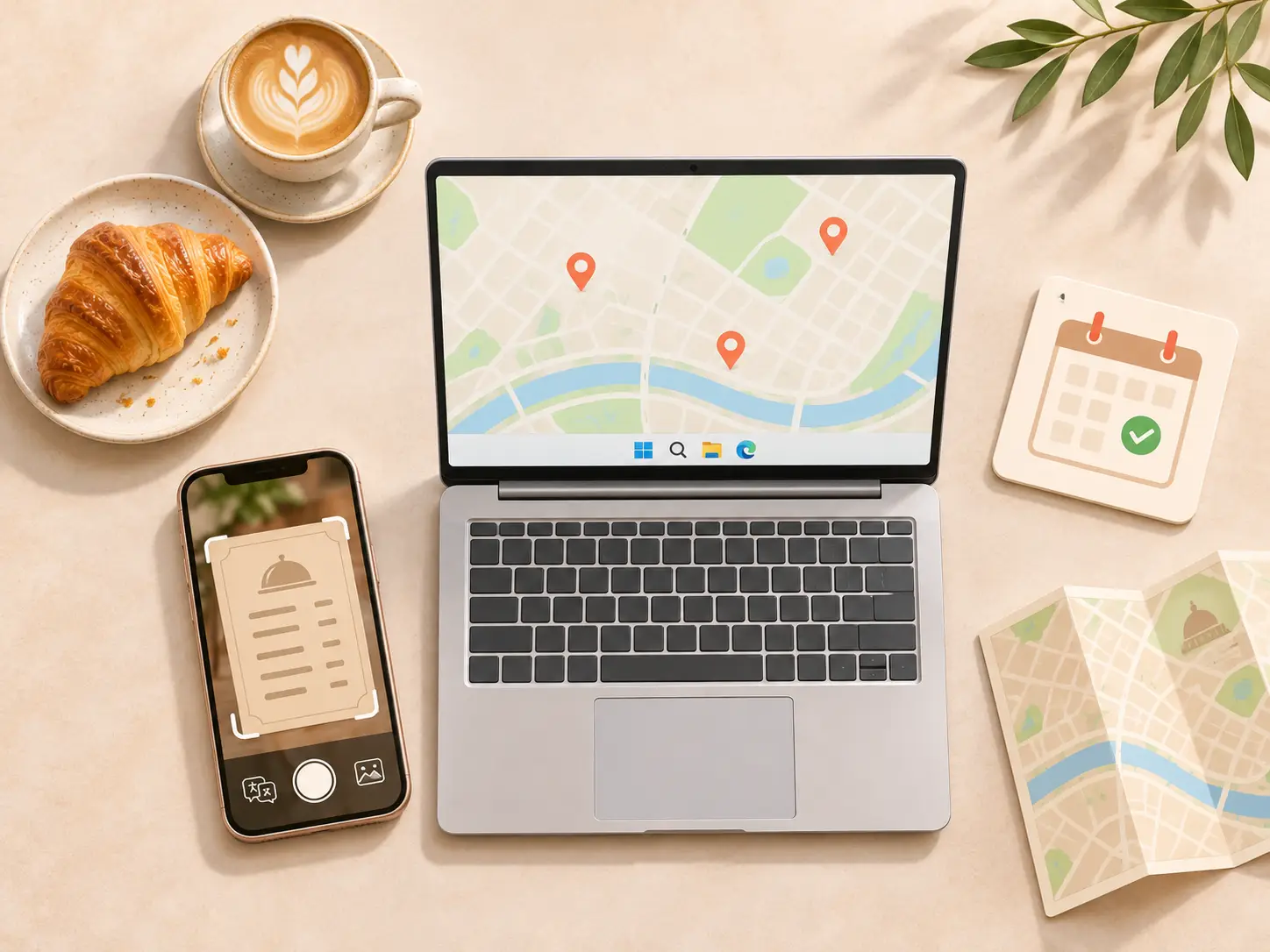
You don’t need a dozen travel apps. You need a few that make decisions easier when you’re hungry.
Start with a map. Save restaurants by neighborhood, or create separate lists for coffee shops, bakeries, and markets. That way, if you’re near a museum at lunchtime, you can find a place you’ve already researched instead of starting another frantic search.
Translation apps help with unfamiliar menus and signs. Camera translation is convenient, but it can miss regional expressions or ingredients. If you have an allergy, confirm details directly with the restaurant rather than trusting an automatic translation.
Reservations are worth organizing in one place, too. Save confirmation emails, check cancellation policies, and note local dining hours. Some cities eat dinner much later than others, and a place that looks open online may close between services.
A laptop can help with the bigger planning jobs. Comparing locations, sorting saved recipes, or coordinating a group itinerary is often simpler on a larger screen. If you travel with a Windows laptop, setting up a VPN for Windows before departure can help protect your connection while you’re checking plans on hotel or café Wi-Fi.
Once everything is saved, close the tabs. The point of planning is to enjoy the trip, not spend it staring at a screen.
Stay Connected and Prepared While Exploring
Imagine finally finding the noodle shop someone recommended, only to discover your phone has no signal and you’ve forgotten the address. A little offline preparation can save the day.
Download maps for the areas you’ll visit, and keep screenshots of key addresses and reservations. Saving the restaurant name in the local language can help when asking for directions. Offline translation packs are useful in places where mobile coverage is unreliable.
Public Wi-Fi is convenient, but don’t connect blindly. Ask staff to confirm the network name, keep your devices updated, and use multi-factor authentication for important accounts. A VPN adds privacy to network traffic, but it won’t stop phishing links or make an untrustworthy website safe.
If you’re traveling internationally, compare your mobile roaming options with a travel eSIM. Reliable data can be handy for last-minute restaurant searches, though it’s still worth having offline backups.
Most importantly, treat your plans as a guide. If the dessert shop has a huge line, explore the next block. You might discover something better.
Capture and Organize Your Favorite Food Experiences
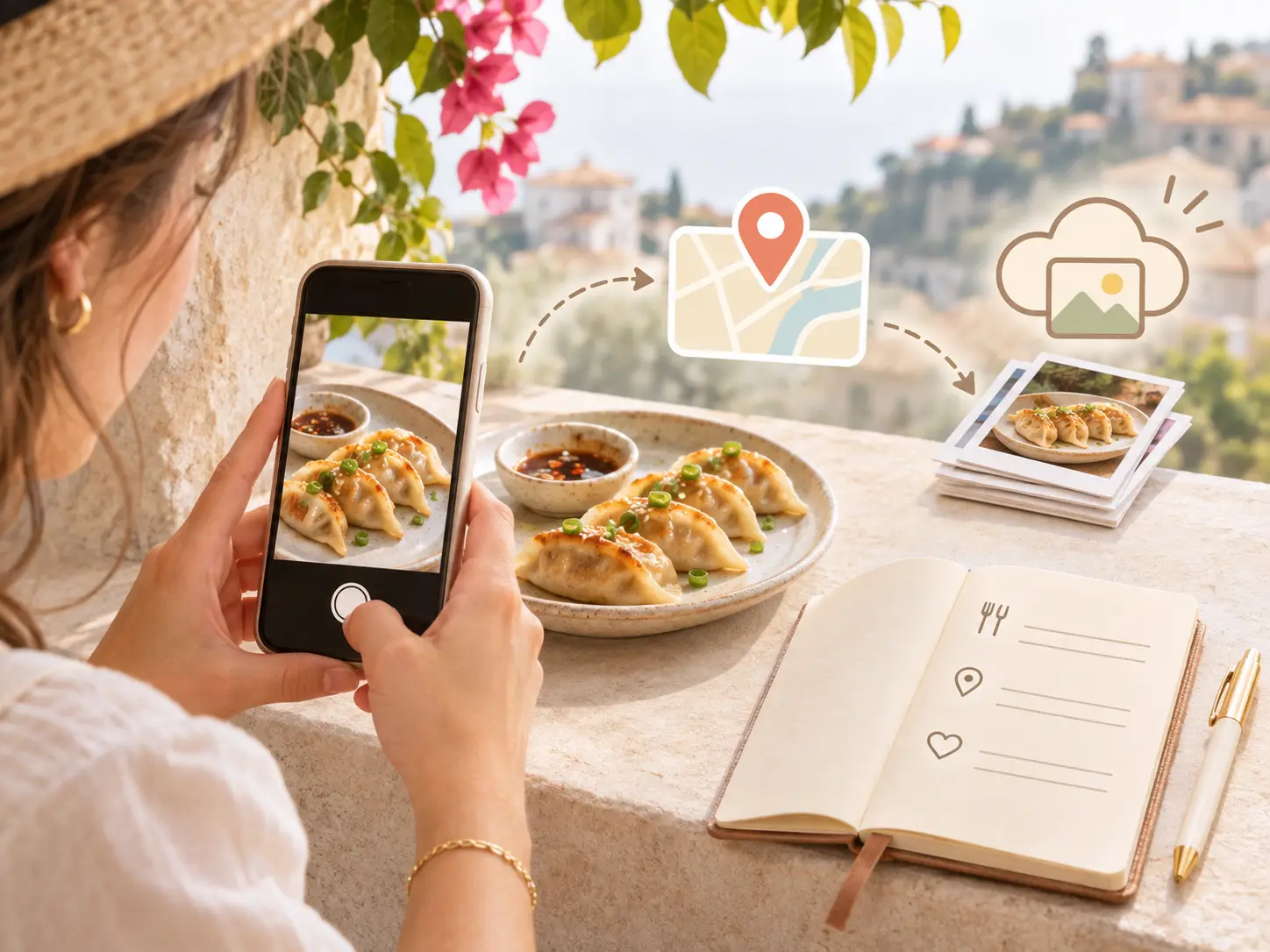
The restaurant name that feels unforgettable today can disappear from memory by next month. Save a photo, the location, and one useful note while the experience is fresh.
“Handmade dumplings, cash only, busy after seven” is much more helpful than an unlabeled picture. If you love cooking, jot down an unusual ingredient or preparation method, too. A market discovery might inspire your next meal at home.
Share photos if you enjoy it, but don’t let documenting every plate take over dinner. Capture a couple of moments, then pay attention to the flavors and the people around you. Back up your favorites later, preferably when you have a connection you trust.
Conclusion: Travel Smarter, Eat Better
A memorable food trip isn’t about checking every famous restaurant off a list. It’s about noticing what locals eat, following good recommendations, and staying curious.
Research a little, save the essentials, and use digital tools when they’re genuinely helpful. Then leave room for surprises. The best bite of your vacation might be the one you never planned.