







Ever stood at the seafood counter staring at two pink fillets, unsure which one to pick? You’re not alone.
Steelhead and salmon look almost identical, sit right next to each other, and even taste somewhat similar. It’s no wonder people mix them up all the time.
That’s precisely why “steelhead vs salmon” and “difference between steelhead and salmon” are such popular searches. People want clear, straightforward answers before spending their money.
We’ve got you covered. We’ll explain what each fish actually is, how they differ in species, appearance, taste, and nutrition.
You’ll also learn about pricing, fishing tips, and when to choose one over the other. Let’s get started.
What Is Steelhead Trout?
Steelhead is a type of rainbow trout that migrates to the ocean or large lakes before returning to freshwater to spawn. Its scientific name is Oncorhynchus mykiss.
Many people call it “steelhead salmon” because of its salmon-like lifestyle, but it’s actually a trout.
Steelhead are born in freshwater rivers, travel to saltwater to grow, and then come back to spawn. Unlike most salmon, they can survive spawning and repeat the cycle multiple times throughout their lives.
On the plate, steelhead has a tender texture and light pink to orange flesh, with a slightly sweet flavor.
What Is Salmon?
Salmon refers to several fish species in the Salmonidae family. They’re famous for their incredible migrations from the ocean back to freshwater streams where they spawn.
Most Pacific salmon die after spawning once, giving everything to the next generation. The most common types you’ll see in stores include Chinook (King), Sockeye (Red), Coho (Silver), Pink, and Chum salmon.
Atlantic salmon is another popular variety, though most sold today comes from farms rather than the wild. Salmon has a rich, bold flavor with a slightly oily texture.
The taste varies by species. King salmon is buttery and rich, while Sockeye offers a deeper, more intense flavor. Flesh color ranges from pink to deep red-orange.
Differences Between Salmon and Steelhead
When comparing steelhead vs salmon, the differences run deeper than you might think. Here’s how to spot the difference between steelhead and salmon.
1. Species and Classification
This is the most considerable distinction. Steelhead is technically a trout, specifically the sea-run form of rainbow trout.
Salmon includes multiple distinct species, like Chinook, Sockeye, and Atlantic salmon. They’re all in the same family but belong to different species groups.
2. Body Shape, Color, and Spots
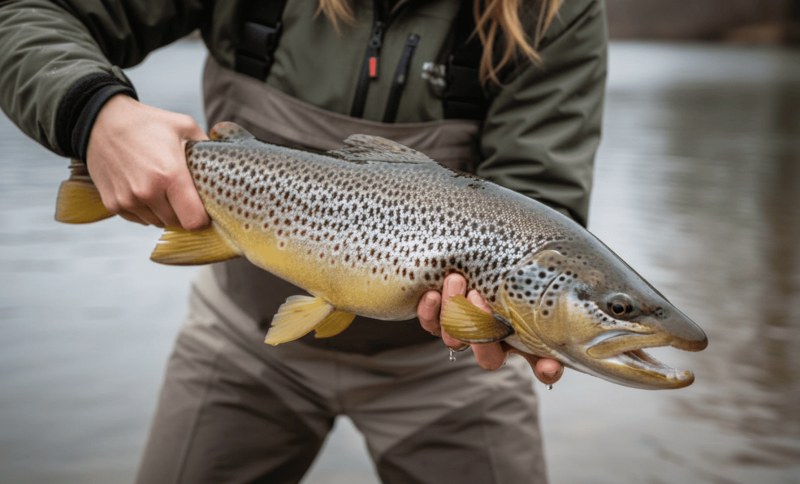
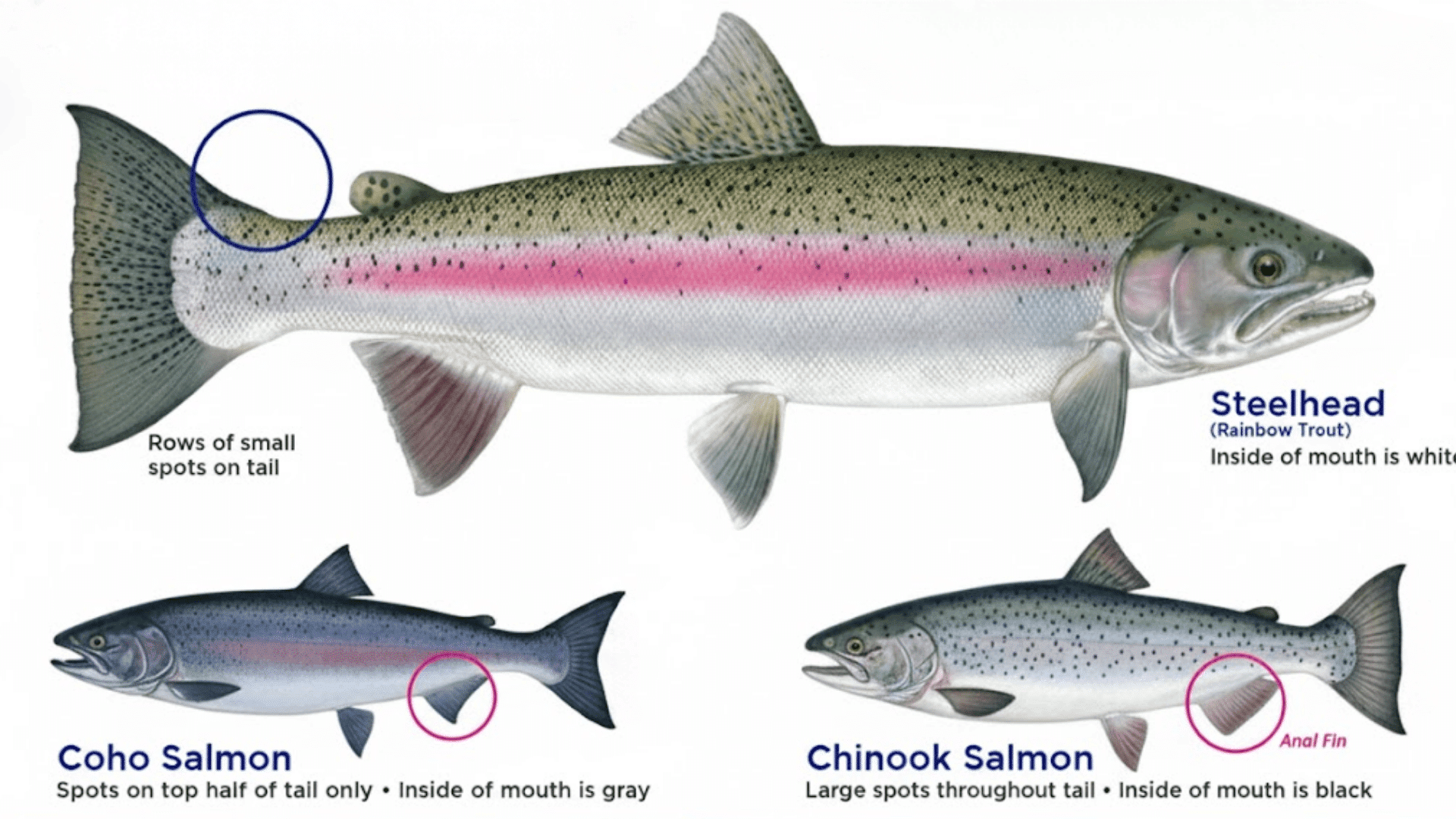
Steelhead have a streamlined body with small, pepper-like black spots scattered across their back, sides, and tail. They often show a faint pink stripe along their side.
Salmon body shape and markings vary by species. Many have larger spots, and the pattern differs.
Chinook salmon have spots on both tail lobes, while Coho usually have spots only on the upper lobe. Spawning salmon often display dramatic colors like bright red or green.
3. Life Cycle and Spawning Behavior
Here’s a key difference. Steelhead can spawn multiple times because they don’t always die after reproducing. They can return to the ocean, recover, and come back to spawn again.
Most Pacific salmon spawn just once and then die. Their bodies break down and provide nutrients to the stream. Atlantic salmon, like steelhead, can sometimes survive to spawn again.
4. Habitat and Migration Patterns
Steelhead originally come from Pacific coast rivers and have been introduced to the Great Lakes. They’re adaptable and can handle varying water temperatures and salt levels.
Salmon species have specific habitat preferences. They make long ocean migrations and return to their exact birth streams to spawn. They need cold, oxygen-rich water and particular gravel beds for their eggs.
5. Taste and Texture on the Plate
Steelhead offers a milder, more approachable flavor. It’s less oily and works well for people who find salmon too strong or “fishy.” Compared with steelhead, salmon usually tastes fuller and more intense.
The higher oil content gives it a buttery mouthfeel. Flavor intensity varies by species, with King and Sockeye being the most flavorful.
6. Market Names and Labeling
Steelhead is sometimes labeled “steelhead salmon” in stores, which adds to the confusion. Legally, it should be sold as steelhead trout since it’s not a true salmon.
Salmon labels usually specify the species, like “Wild Sockeye Salmon” or “Atlantic Salmon.” Always check the label to know exactly what you’re buying.
7. Sustainability and Farming Snapshot
Both fish are farmed and wild-caught. Sustainability depends on the source. Some wild salmon populations face challenges, while others are healthy.
Farmed steelhead often comes from land-based or freshwater operations. Check resources like Seafood Watch for guidance on sustainable choices. Look for certifications on packaging when possible.
Nutrition Face-Off: Steelhead vs Salmon
Both fish deliver serious nutrition. Let’s break down the numbers on calories, fat, protein, and those heart-healthy omega-3s.
1. Calories, Protein, and Fat
Both fish are excellent protein sources. A 3-ounce serving of either provides about 20-22 grams of protein.
Salmon typically has more calories and fat, mainly in farmed varieties. A serving might have 150-200 calories and 7-13 grams of fat, depending on the species.
Steelhead is slightly leaner, with around 130-150 calories and 5-6 grams of fat per serving.
2. Omega-3s and Heart Health
Both fish are rich in omega-3 fatty acids, which support heart health, brain function, and reduce inflammation.
Salmon generally has higher omega-3 levels, particularly fatty species like King and Sockeye. A serving can provide 1,000-1,800 mg of omega-3s.
Steelhead still offers solid omega-3 content, typically around 800-1,000 mg per serving. It’s still an excellent choice for getting these healthy fats.
3. Vitamins, Minerals, and Overall Health Takeaway
Both provide B-vitamins (especially B12), selenium, and potassium. Both are excellent sources of vitamin D, with salmon often edging ahead in some datasets, but it depends on species and whether the fish is wild or farmed.
Bottom line: both are nutritious choices. Salmon edges ahead for omega-3s and fat-soluble vitamins. Steelhead is an excellent option if you want fewer calories while still getting quality nutrition.
Exact values vary by species and whether the fish is wild or farmed
Which One Is More Affordable?
Steelhead is usually easier on the wallet. Farmed steelhead typically costs around $8-12 per pound, making it a solid everyday option.
Salmon prices vary a lot depending on the species. Budget-friendly options like Pink and Chum run $6-10 per pound. Farmed Atlantic salmon falls in the $10-15 range.
But wild King and Sockeye can hit $20-30 or more per pound. What drives the price? Wild-caught fish costs more than farmed. Seasonal availability, species popularity, and your location all play a role, too.
For the best value, consider buying frozen fillets. They’re often more affordable while still offering very good quality.
Quick note: Prices can vary by season and location, so always compare before you buy.
Fishing Perspective
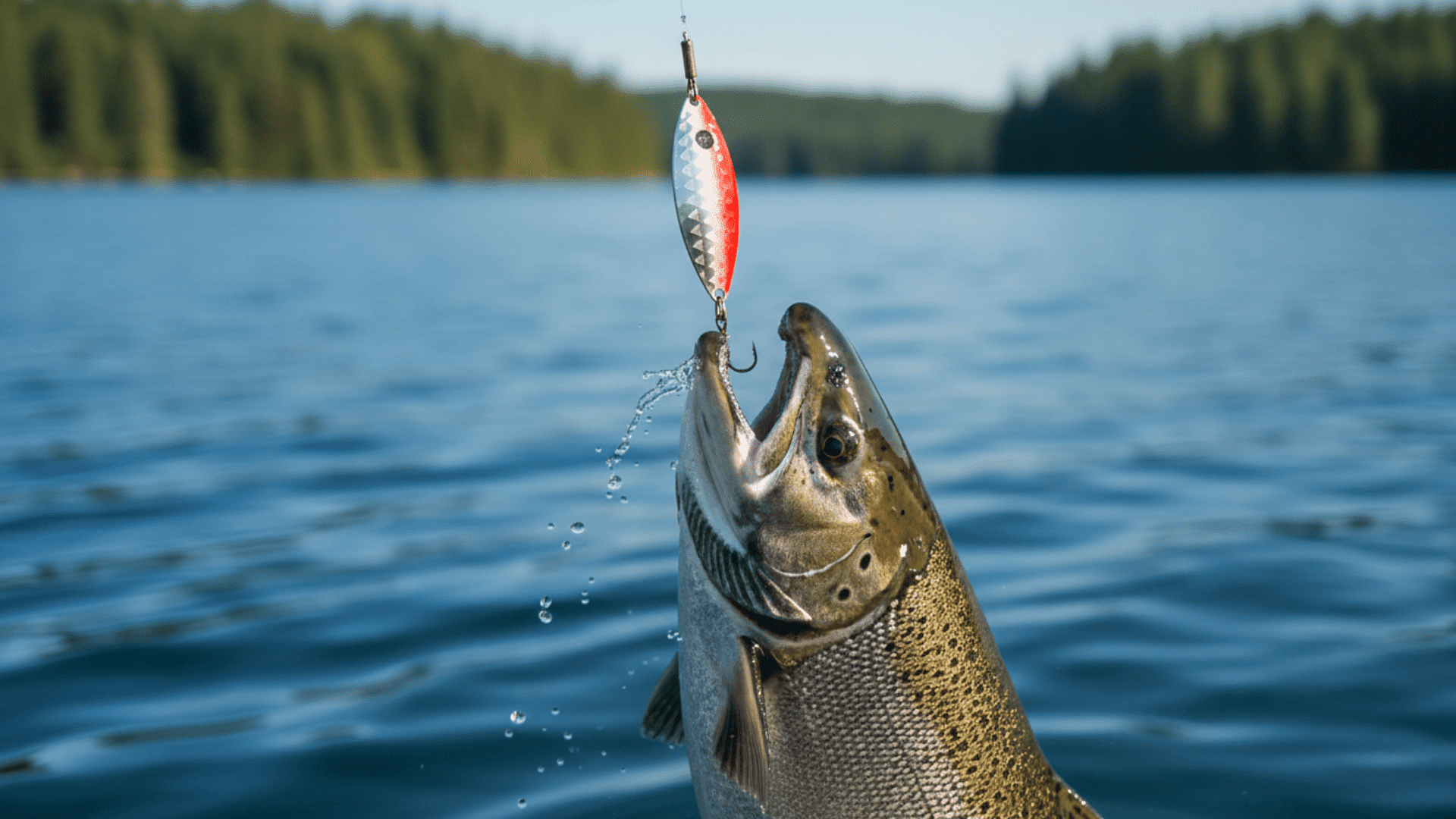
Both steelhead and salmon are prized game fish that put up an incredible fight. Steelhead are famous for their acrobatic leaps and powerful runs, making them a favorite among freshwater anglers.
Salmon, especially larger species like Chinook, offer an intense battle too. Timing matters when planning your trip. Steelhead runs typically happen from fall through spring, while salmon runs are more species-specific.
Chinook often run in spring and fall, and Sockeye peak during summer. Popular fishing spots include Pacific Northwest rivers, Alaska, and Great Lakes tributaries.
Always check local regulations before heading out. Many areas have catch limits, size requirements, and seasonal restrictions to protect fish populations for future generations.
When to Choose Steelhead?
Steelhead is a gentle-tasting fish that works well for people who prefer milder seafood.
It’s also perfect for picky eaters or kids just getting into seafood. If you’re watching calories, steelhead is leaner than most salmon while still delivering quality protein and omega-3s.
Budget-wise, farmed steelhead often costs less, making it ideal for regular weeknight meals.
For anglers, steelhead are a real thrill and can be a challenging, rewarding fish to land. Their ability to spawn multiple times means some grow impressively large over the years.
When to Choose Salmon?
Choose salmon when you want a strong flavor that stands out in the dish. Its natural oils make it perfect for grilling, smoking, or pan-searing.
The natural oils keep the fish moist, so it’s forgiving even if you’re new to cooking seafood. For heart health, salmon is hard to beat.
Fattier species like King and Sockeye pack the most omega-3s per serving, making them great for anti-inflammatory diets. Salmon also gives you more variety.
You can try mild Pink, rich Sockeye, buttery King, or easy-to-find Atlantic salmon. Farmed Atlantic salmon is available year-round, so you’ll never have trouble finding it at your local store.
Expert Tips for Steelhead vs Salmon

To get the most out of your next purchase, use these quick tips to buy, cook, and store steelhead and salmon like a pro.
- Check freshness first. Look for firm flesh that springs back when pressed and a clean, ocean-fresh smell. Avoid anything that smells fishy or sour.
- Read labels carefully. Know whether you’re buying wild or farmed, and look for the species name and sustainability certifications.
- Don’t overcook steelhead. Its lean flesh dries out faster than salmon. Aim for 125-130°F internal temperature for best results.
- Use salmon’s fat to your advantage. Higher oil content makes salmon forgiving on the grill or under the broiler.
- Buy frozen to save money. Most fish is flash-frozen at sea anyway, so frozen fillets are often just as good as “fresh” at a lower price.
- Store smart. Use fresh fish within 1-2 days or freeze it for up to 2-3 months when appropriately wrapped.
Follow these tips, and you’ll enjoy better-tasting fish while getting more value for your money every time.
Conclusion
Now you understand the key difference between steelhead and salmon. Steelhead is a sea-run rainbow trout with mild flavor, lean flesh, and the ability to spawn multiple times.
Salmon includes several distinct species known for rich taste, higher fat content, and bold flavor profiles. Choose steelhead when you want lighter meals, a budget-friendly option, or a fish that’s gentle on the taste buds.
Pick salmon when you’re craving bold, buttery flavor, want maximum omega-3s, or need more variety in species and cooking styles.
Nutritionally, they’re both strong choices, so your decision mostly comes down to taste, budget, and how you like to cook.
Ready to put your new knowledge to the test? Head to your local seafood counter, pick up a fresh fillet of steelhead or salmon, and cook up something delicious tonight. Your taste buds will thank you!