






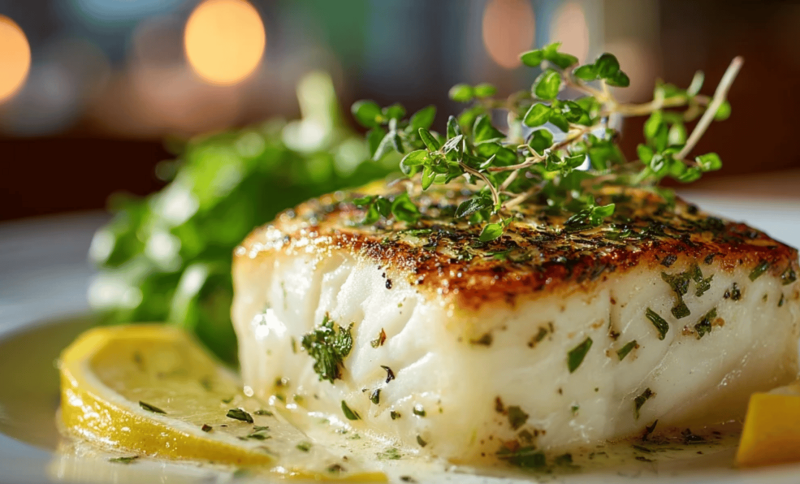
Halibut stands out as one of the most prized catches in the sea, admired for its quality and adaptability.
This popular white fish has earned a loyal following among chefs and home cooks who value its consistency and ease of preparation.
Found in the cold waters of the North Pacific and North Atlantic, halibut has become a staple in kitchens around the world.
Its reputation continues to grow as more people discover how approachable and satisfying it is to cook and enjoy.
Even when served at a restaurant or prepared at home, halibut embodies the perfect balance of simplicity, elegance, and dependable culinary appeal.
What Does Halibut Taste Like?
Halibut has a mild, slightly sweet taste with a clean, fresh flavor that is neither fishy nor overpowering.
Its lean white flesh is firm and meaty, yet tender when cooked, giving it a satisfying bite.
The flavor is gentle with a touch of natural sweetness and a hint of the sea, often described as how the ocean should taste, fresh and pure.
Due to its texture, halibut is often referred to as the “steak of seafood.”
It retains its shape well during cooking and pairs beautifully with simple seasonings, such as lemon and herbs, or bolder flavors. This balance makes halibut a favorite for any meal.
Types of Halibut & How They Differ in Taste
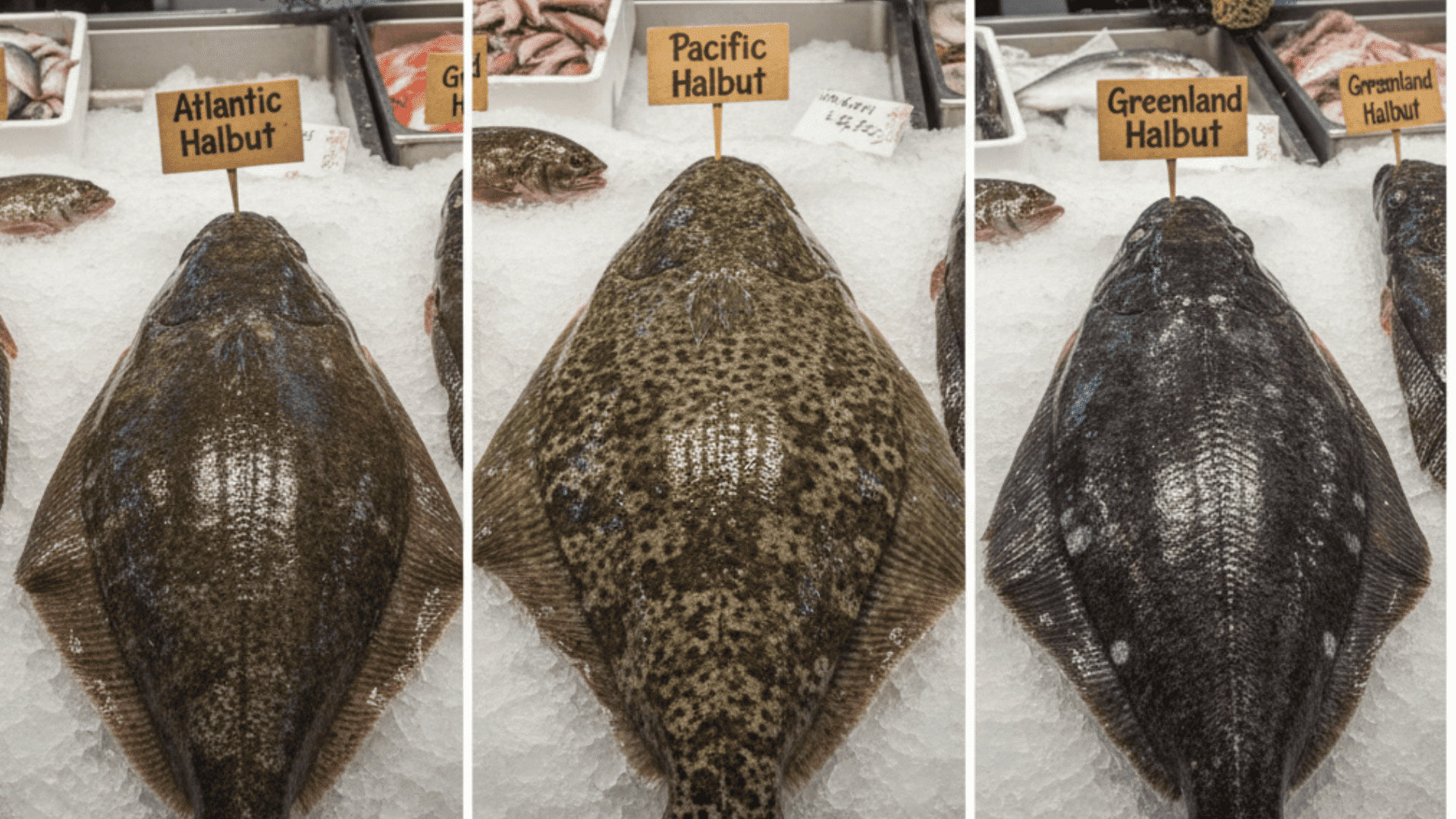
Not all halibut is created equal. There are three main types you’ll encounter, each with slightly different characteristics.
1. Pacific Halibut (Alaskan Halibut)
Pacific halibut is known for being slightly sweeter compared to Atlantic halibut. This is the most common variety you’ll find in U.S. markets, particularly from Alaskan waters.
Best for: Most cooking methods, especially grilling and pan-searing.
Sustainability: Well-managed fisheries make this an excellent choice
2. Atlantic Halibut
Atlantic halibut has a mild, sweet flavor with a firm, dense texture and clean, delicate profile. However, it’s less commonly available due to historical concerns about overfishing.
Best suited for Gentle cooking methods, such as poaching or baking.
Note: Choose Pacific halibut when possible for sustainability
3. Greenland Halibut (Turbot)
Greenland halibut is a smaller, cold-water species caught in the icy waters of the north. It has a higher fat content than Pacific halibut, giving it a richer, creamier texture and flavor.
It also contains more omega-3s than most lean white fish, though not as much as fatty fish like salmon.
Best for: Rich preparations that can balance its fattier texture
Flavor note: Pairs well with sour or bitter ingredients
Where Do Halibut Live?
Understanding where halibut comes from helps explain its clean, pure taste. Halibut are cold-water flatfish found in the North Pacific and North Atlantic oceans, living near the sea floor.
These bottom-dwelling fish feed on crustaceans and smaller fish, which contributes to their clean, sweet flavor. The cold ocean waters keep the fish lean, giving the meat its firm texture.
Primary fishing regions include:
- Alaska (most U.S. halibut comes from here)
- British Columbia, Canada
- Norway
- Greenland
Sustainable fishing practices in Alaska and other well-managed regions ensure that halibut populations remain healthy for future generations.
How to Cook Halibut
According to the U.S. Food and Drug Administration, fish should be cooked to an internal temperature of 145°F (63°C), at which point the flesh becomes opaque and flakes easily with a fork.
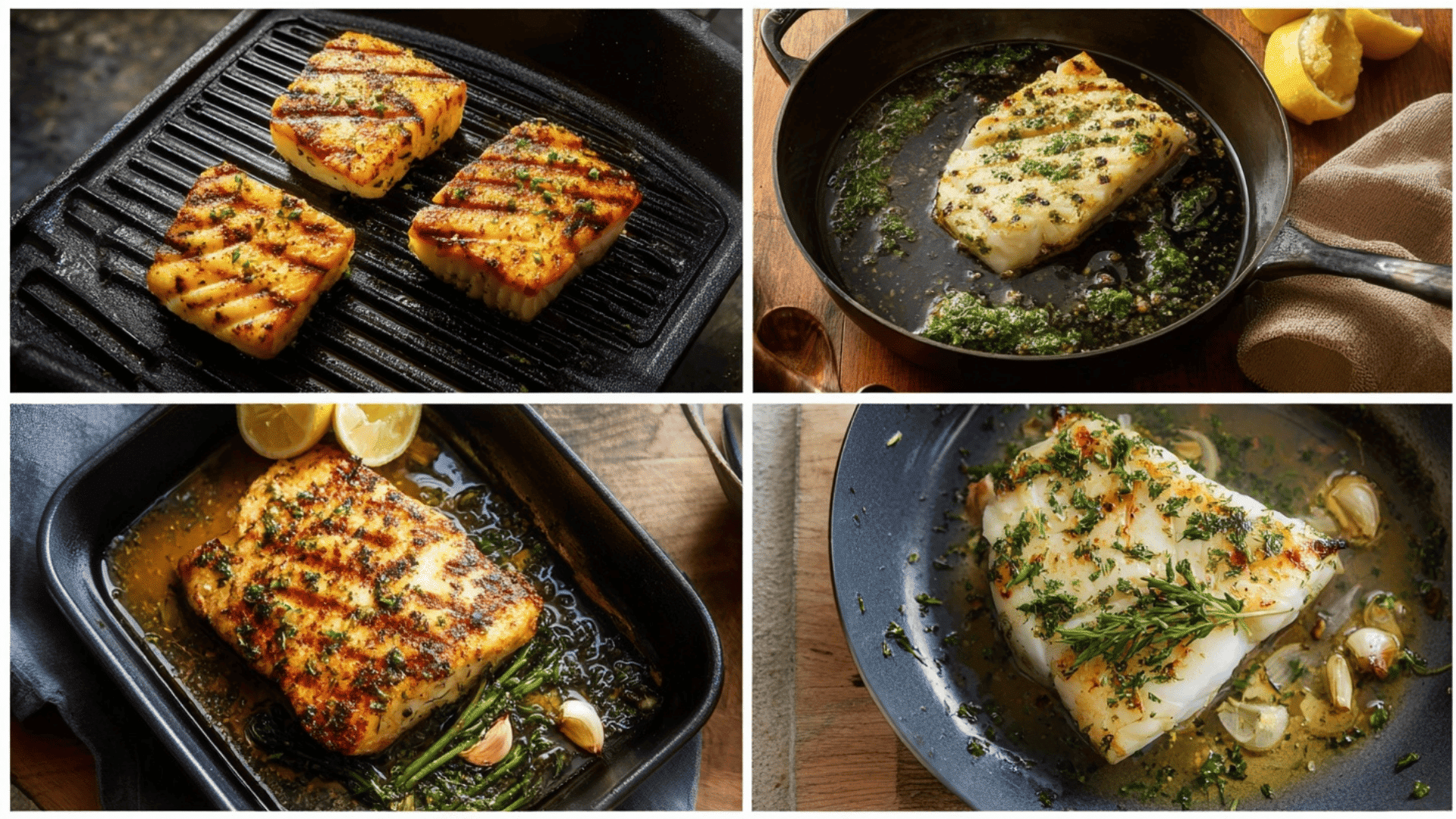
Halibut cooks beautifully with many techniques, each bringing out its mild flavor and firm texture. Choose your favorite method below.
- Grilling: Preheat to medium-high heat and cook for 4–5 minutes per side. This creates a light smoky flavor, crisp edges, and moist, tender flesh.
- Pan-Searing: Use a hot skillet with oil, sear the fillets until golden on both sides, and finish with butter. This method delivers a rich crust and a soft, flavorful interior.
- Baking: Brush with olive oil, season lightly, and bake at 425°F until the fish is opaque and flakes easily. Baking produces evenly cooked, juicy fish with minimal effort.
- Poaching: Gently simmer in broth with lemon, garlic, and herbs. Poaching keeps halibut especially moist and delicate, with a subtle infused flavor.
No matter the method, avoid overcooking. Halibut is done when it turns opaque, flakes easily, and reaches 145°F at the thickest part.
Halibut Recipes to Try
Halibut’s gentle flavor and firm texture make it an easy favorite for both quick dinners and special meals.
It pairs beautifully with bright, fresh ingredients and cooks perfectly in just minutes. Here are four simple, delicious recipes that bring out the best in this versatile white fish.
1. Pan-Seared Halibut with Lemon-Herb Butter
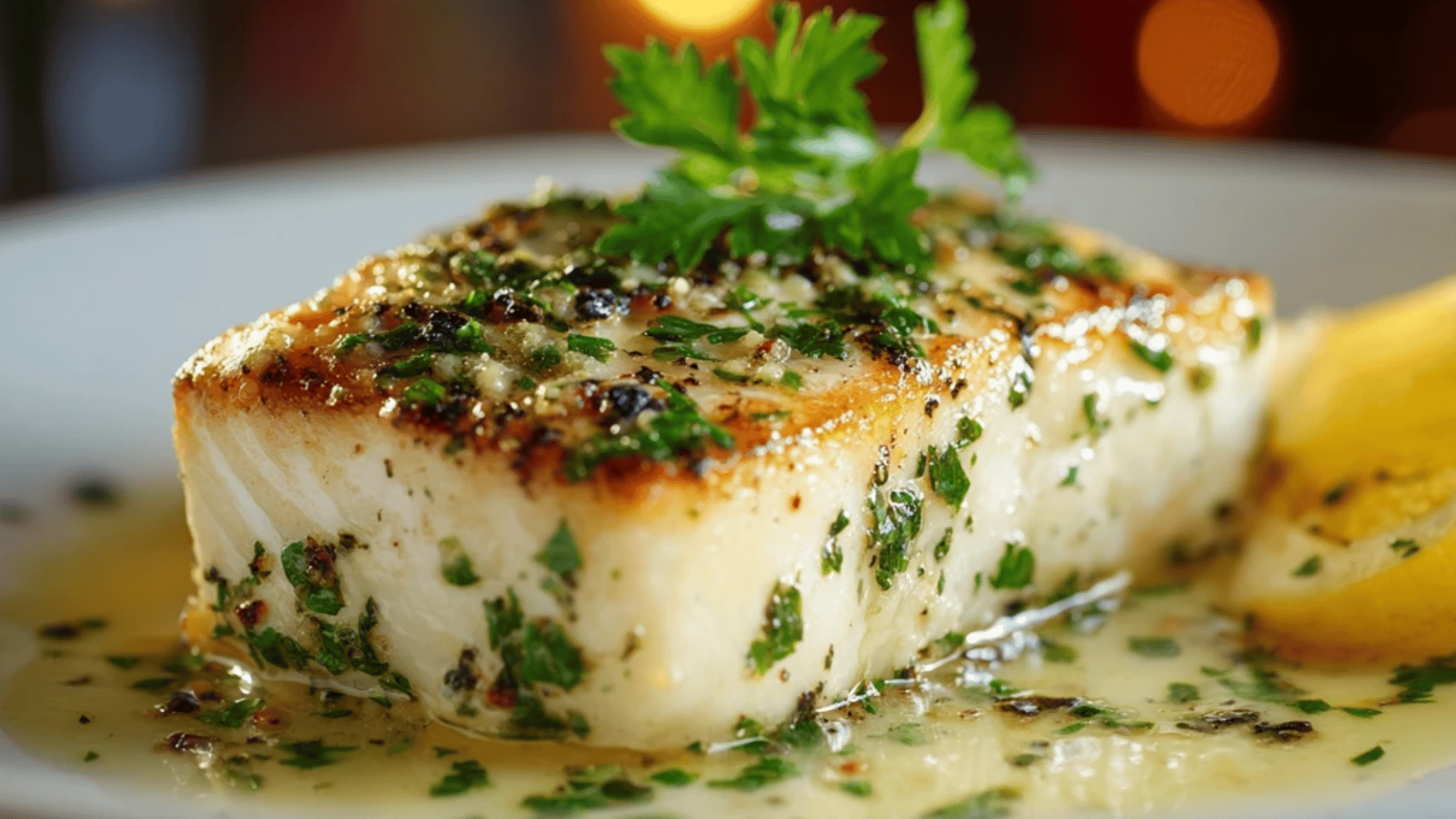
Season the fillets lightly with salt, pepper, and garlic powder. Sear in a hot skillet for about four minutes per side until golden brown.
Finish with melted butter, a squeeze of fresh lemon juice, and chopped parsley. The result is a tender, flavorful dish that feels elegant yet easy.
2. Baked Halibut with Garlic Crust
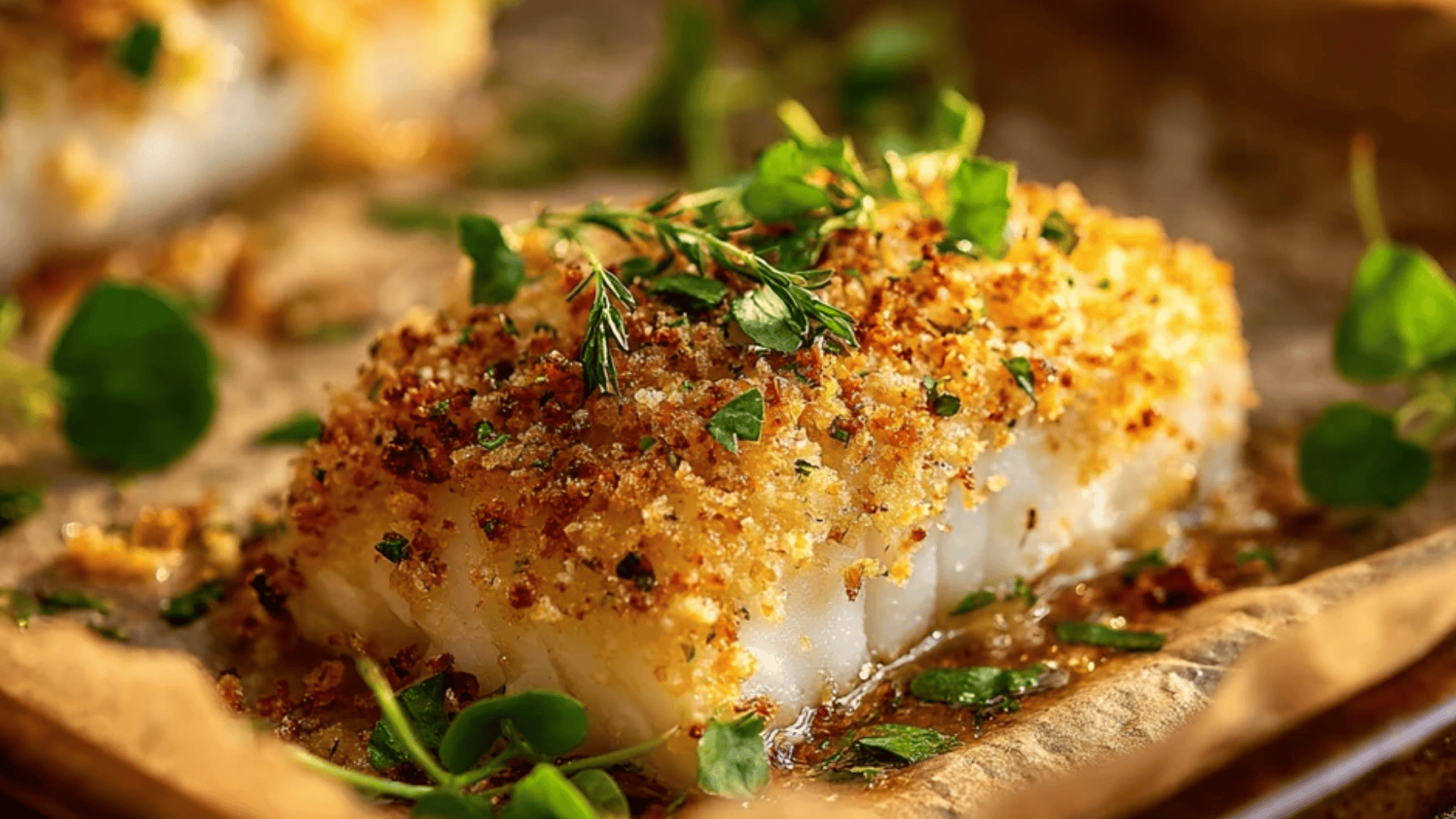
Mix minced garlic, breadcrumbs, and melted butter, then press the mixture over each fillet. Bake at 425°F for 12–13 minutes until the crust turns crisp and golden.
This method locks in moisture, creating a perfectly juicy interior with a crunchy, savory topping that adds texture and richness.
3. Halibut Tacos with Citrus Slaw

Grill or pan-sear halibut coated with mild spices until flaky. Break the fish into pieces and serve in warm tortillas topped with slaw made from cabbage, lime juice, and cilantro.
The combination of zesty freshness and tender halibut makes these tacos a light, flavorful crowd-pleaser.
4. Broiled Halibut with Salsa Verde
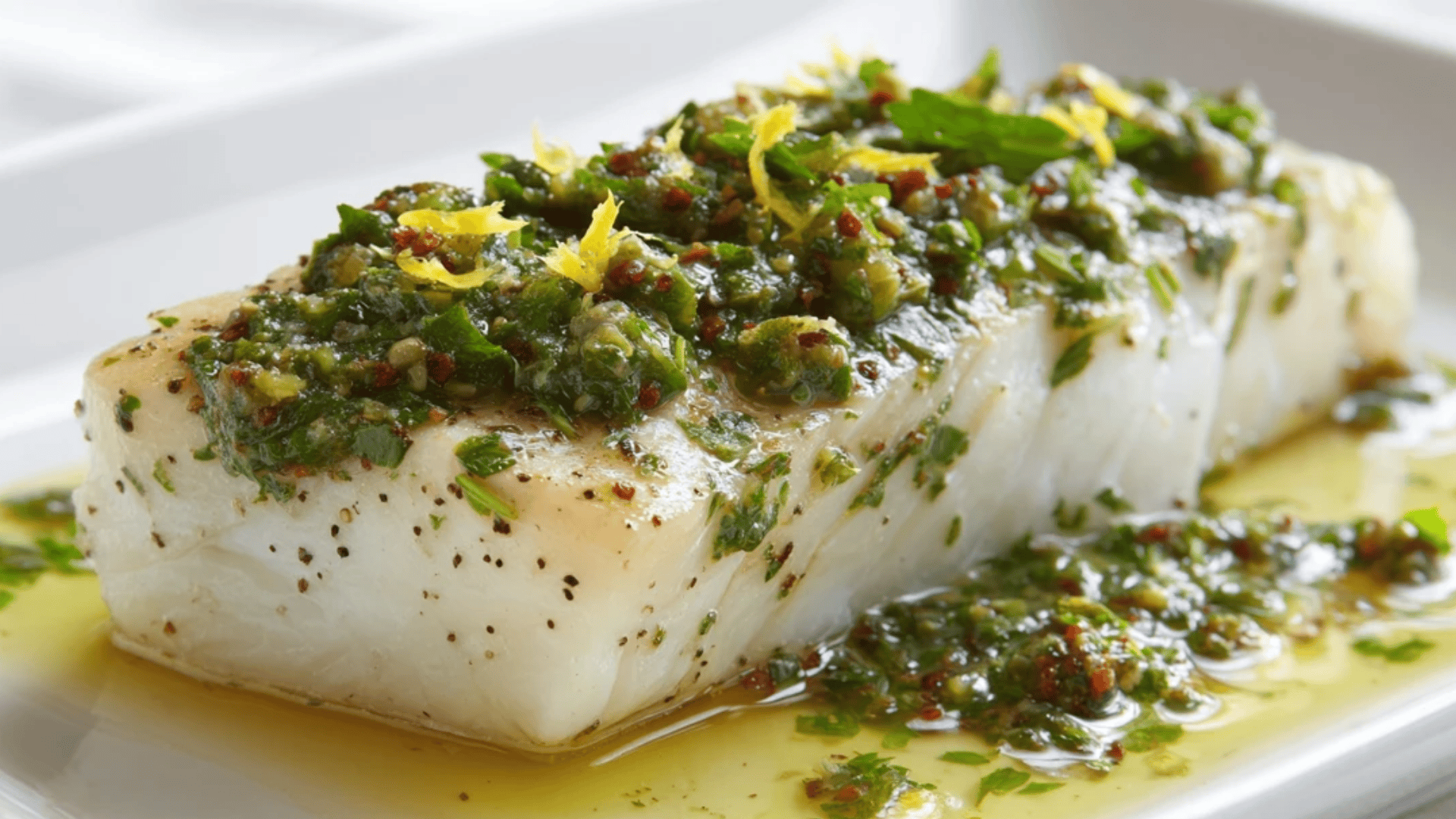
Brush the fillets with olive oil and broil for 6 to 8 minutes, until lightly browned on top. Serve with a homemade salsa verde made from parsley, capers, garlic, and olive oil.
The sauce adds a burst of bright, herby flavor that complements halibut’s clean, mild taste beautifully.
Halibut vs. Cod vs. Flounder
How does halibut stack up against other popular white fish?
| Fish | Flavor | Texture | Best Uses |
|---|---|---|---|
| Halibut | Mild, slightly sweet | Firm, meaty | Steaks, grilling, baking |
| Cod | Mild, slightly more fishy | Flaky, tender | Frying, soups, fish & chips |
| Flounder | Very mild | Soft, delicate | Light pan-fries, poaching |
Halibut is firmer and less flaky than cod, with a sweeter flavor and more substantial texture. If you want something heartier than flounder but not as strong as some fish, halibut hits the sweet spot.
What to Look for When Buying Halibut
Quality and freshness are key when choosing halibut. Keep these simple tips in mind for the best flavor and texture:
-
Smell: Fresh halibut should have a clean, ocean-like scent, never fishy or sour.
-
Texture: Look for firm, springy flesh that’s moist but not slimy.
-
Appearance: Choose fillets with a glossy, translucent surface and no chalky white patches.
-
Sustainability: Opt for Pacific or Alaskan halibut and check for MSC certification when possible.
-
Size: Smaller fish (12–30 lbs) have more tender, delicate meat than large ones.
Note: Buy from trusted fish markets, seafood counters, or reputable online sellers, such as Sea to Table or Wild Alaskan Company.
How to Store Halibut Properly
Proper storage keeps halibut fresh, flavorful, and safe to eat.
Refrigerate fresh halibut at 40°F (4°C) or below and use it within 1 to 2 days, according to U.S. Food and Drug Administration guidelines.
Keep the fish in its original packaging or wrap it tightly to prevent moisture loss and odor transfer.
For the best quality, store halibut in the coldest part of your refrigerator.
Keeping fish very cold, such as placing it on ice in a shallow container, helps preserve freshness, especially if you’re not cooking it the same day.
For more extended storage, freeze halibut in airtight or vacuum-sealed packaging.
When properly frozen, it maintains good quality for up to 6 months (and sometimes longer under ideal conditions).
When thawing, place frozen halibut in the refrigerator overnight, or submerge the sealed package in cold water for faster thawing.
Avoid thawing at room temperature or in the microwave, as this can negatively affect texture and moisture.
Final Thoughts
Halibut’s combination of mild flavor, firm texture, and incredible flexibility in the kitchen makes it a standout choice for seafood lovers and skeptics alike.
Even if you’re grilling it outdoors, pan-searing it for a quick weeknight meal, or baking it with a flavorful crust, halibut delivers a premium eating experience.
The key to success is simple: buy quality fish, don’t overcook it, and let the natural sweetness shine through with complementary seasonings.
Once you nail the technique, halibut becomes one of those reliable go-to proteins that impresses every time.
Ready to try halibut? Pick up some fresh fillets from your local fish market or order from a trusted online retailer, and try one of the recipes above.
You might find your new favorite fish.
Frequently Asked Questions
Is Halibut a Fishy Fish?
No, halibut has a mild, slightly sweet taste with a clean flavor that isn’t fishy or overpowering.
How Do I Know If Halibut Is Fresh?
Fresh halibut smells like the sea, feels firm and moist, and has clear, glossy flesh without dull or dry spots.
What’s the Best Way to Cook Halibut Without Drying It Out?
Cook to 130°F, remove early, and baste with butter or oil to keep it moist, tender, and flavorful.